Half a Million Batteries Installed: What Size Battery Do I Need?
On 14 August 2026 the Prime Minister’s office announced that more than 500,000 batteries have now been installed under the Cheaper Home Batteries Program. More than three quarters of them went into outer suburban and regional communities, and the number of accredited battery installers has doubled to 8,846 since the program began (Prime Minister of Australia, 14 August 2026).
With that many batteries going in, the question for most homeowners has moved on from “should I get one?” to “what size battery do I need?” Below is a five step method you can run from your bill or retailer app, a rough sizing table and a worked example, so you can check whether a quote fits your home.
The Short Answer: What Size Battery Do I Need?
Size your battery to the electricity you use between sunset and sunrise on a typical day, then check you export enough spare solar to fill it. Adjust for blackout backup and any big loads you are planning, such as an electric vehicle. The rebate should be the last thing you look at, not the first, because the certificate value per kWh falls once a battery goes past 14 kWh of usable capacity.
Too small and you buy grid power every evening. Too big and it sits half empty for much of the year, stretching out the time it takes to earn back its cost. Matching size to real usage is the approach behind our solar battery design process.
Five Steps to Size a Home Battery From Your Bill
Step 1: Find your evening and overnight usage
Your battery covers the hours when your panels are not producing. In your retailer app or online account, find half hourly or hourly usage and add up what you use from roughly sunset to sunrise on a few ordinary days. If you have winter history, check that too: longer, heavier winter evenings are the better guide.
If you only have a paper bill, divide the total kWh by the number of days in the billing period to get an average daily figure. That tells you the size of your whole day, not your evening, so treat it as a ceiling rather than a target.
Step 2: Check how much spare solar you export
A battery can only store what your panels generate beyond what the house uses during the day. Your bill or app shows exported kWh. If you export around 8 kWh on a typical day, a 17 kWh battery will rarely fill, and the better move may be more panels or a smaller battery. Check winter exports too, because October is close to peak solar season.
Step 3: Decide whether blackout backup matters
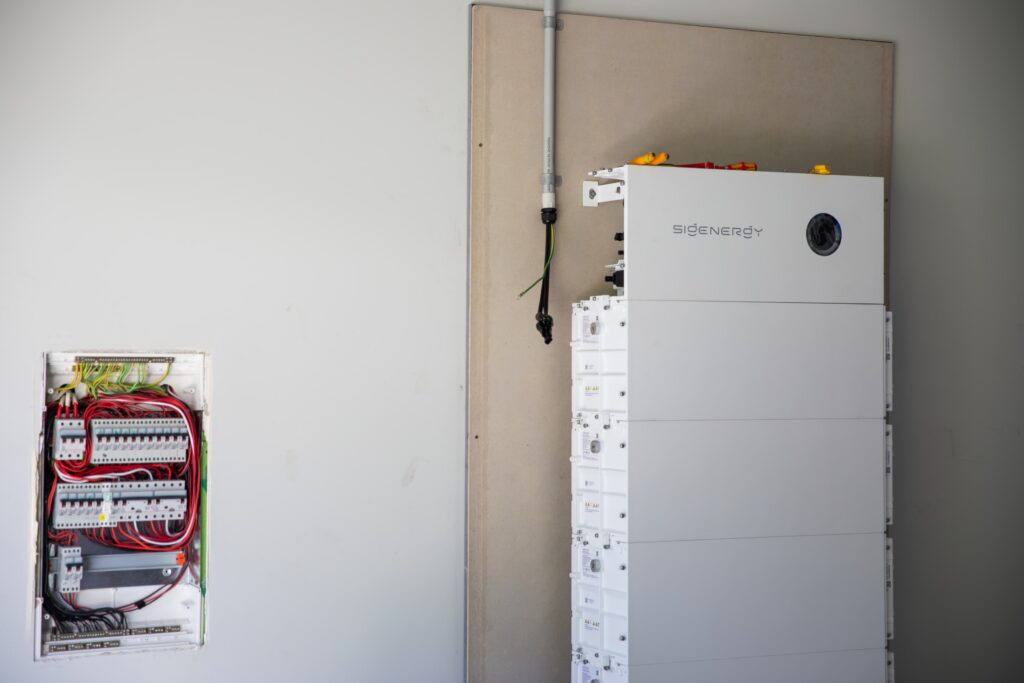
Not every battery keeps the lights on in a power cut. A SigenStor needs the Sigen Energy Gateway for backup, and a Hinen B14400 needs a separate backup gateway wired into the switchboard. Without one, the system shuts down with the grid for safety. Keeping a backup reserve also leaves less of the battery for your evening. Our guide to solar during a blackout explains how this works.
Step 4: Allow for future loads
An electric vehicle, a switch from gas cooking or hot water, or a pool pump can all change your evening figure. Some of these loads are better run at midday straight from your panels rather than stored first. If an EV is on the horizon, read how much solar an EV needs before you lock in a battery size.
Step 5: Size on usage, not on the rebate
Under the Cheaper Home Batteries Program, the Clean Energy Regulator calculates small-scale technology certificates (STCs) on a battery’s usable capacity. The value tapers in bands, and each band applies only to the kWh inside it:
- First 14 kWh: full certificate value.
- Above 14 kWh, up to 28 kWh: 60% of the value.
- Above 28 kWh, up to 50 kWh: 15% of the value.
- Above 50 kWh: no certificates.
In practice, at the $40 clearing house cap, a first SigenStor module earns up to about $2,350 in certificates, a second adds about $2,000 (part of it falls above 14 kWh), and a third adds about $1,450. Each extra kWh earns less, so it only pays its way if you will use it most evenings. The federal battery rebate page covers eligibility in full.
Not sure what your evening usage looks like? Our consultants read your interval data and size the battery to your real evenings, not a round number. See how we size home batteries
Battery Size Guide: Evening Usage to System
The table below is a rough guide only, not advice for your home. It assumes the battery cycles once a day, you export enough spare solar to fill it on a typical day, and the bands leave some room for heavier winter evenings. Certificate values are upper bounds at the $40 cap for installs before 1 January 2027, as at October 2026 and subject to eligibility.
| Typical evening use | System that usually fits | Usable capacity | Certificates now (up to) |
|---|---|---|---|
| Under 7 kWh | One SigenStor module | 8.76 kWh | About $2,350 |
| 7 to 12 kWh | One Hinen B14400 | 13.68 kWh | About $3,700 |
| 12 to 16 kWh | Two SigenStor modules | 17.52 kWh | About $4,350 |
| 16 to 24 kWh | Three SigenStor modules | 26.28 kWh | About $5,800 |
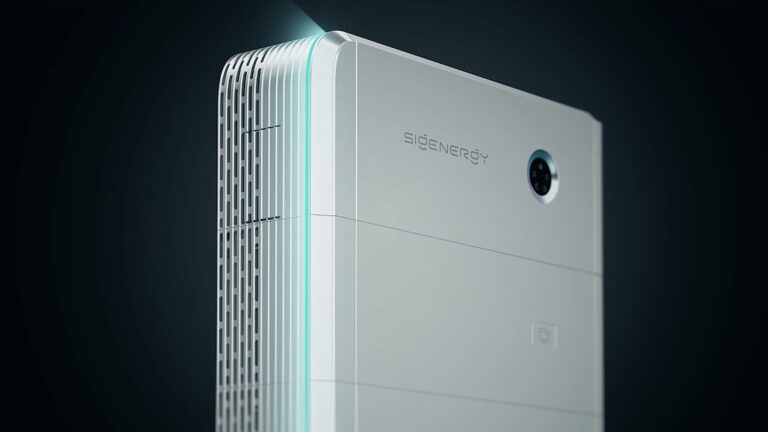
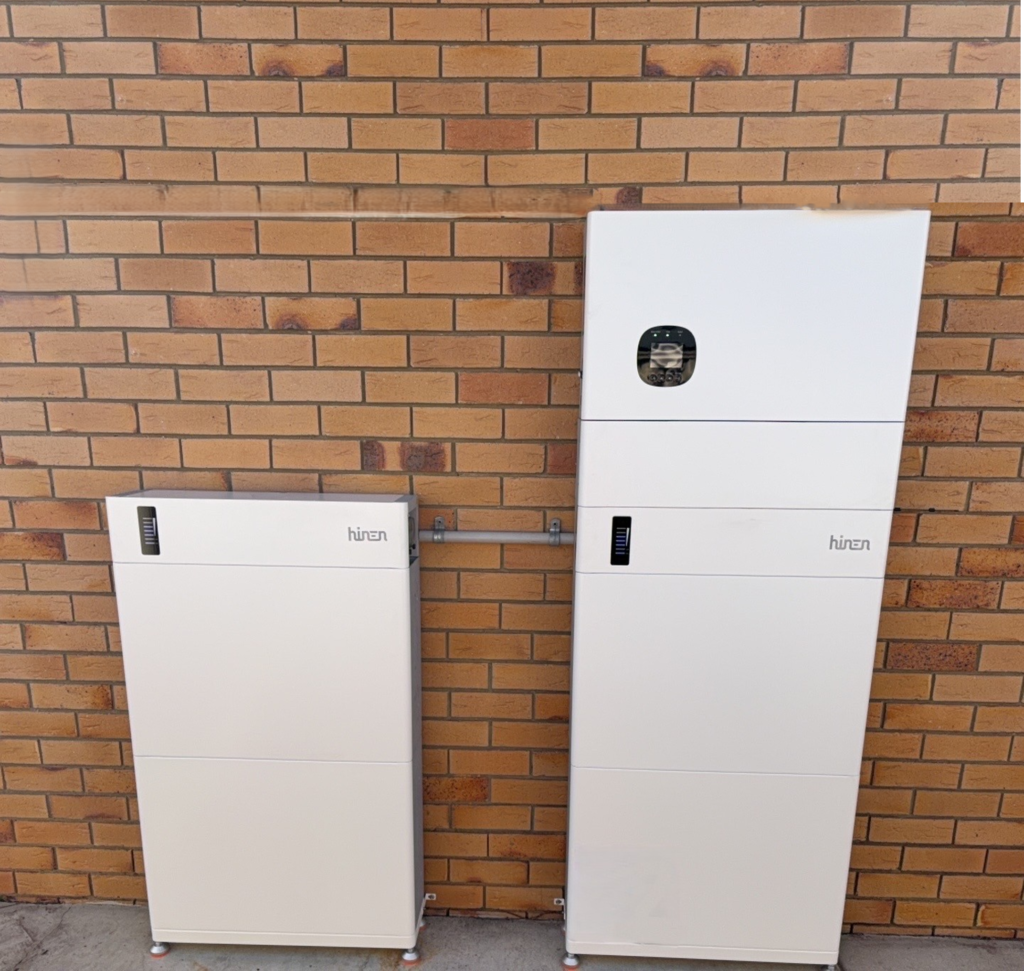
The Sigenergy SigenStor is modular: each module adds 8.76 kWh usable, up to six under one Energy Controller, with a 10 year warranty. The Hinen B14400 gives 13.68 kWh usable from one unit at 95% depth of discharge, can run up to six units in parallel (subject to inverter model) and carries a 12 year warranty.
A Worked Example With Stated Assumptions
The Australian Energy Regulator’s Default Market Offer 2026 to 27 final determination uses reference usage of 3,900 kWh a year in the Ausgrid network, 4,900 kWh in Endeavour Energy’s and 4,600 kWh in Essential Energy’s (flat rate, residential). This example uses the Endeavour Energy figure.
- Daily use: 4,900 kWh divided by 365 days is about 13.4 kWh a day.
- Evening share (assumption): for this example only, we assume half of that, about 6.7 kWh, is used between sunset and sunrise. Replace this with your own figure from Step 1, because it varies a lot between homes.
- Fit: 6.7 kWh sits in the first band of the table, so one SigenStor module (8.76 kWh) covers it with some headroom, provided the home exports at least that much on a typical day.
- Future load (assumption): if the same household adds an EV and charges it overnight, and we assume that adds 7 kWh a night, the evening figure becomes about 13.7 kWh. That points to two SigenStor modules (17.52 kWh), but only if exports can fill them. Charging the EV at midday from solar instead could keep the smaller battery in play.
On certificates, one module is worth up to about $2,350 if installed by 31 December 2026, or about $1,950 from 1 January 2027. Two modules are worth up to about $4,350 now, or about $3,650 after the step-down (as at October 2026, subject to eligibility). These are certificate values, not bill savings.
Does the 1 January 2027 Step-Down Change the Right Size?
It changes the price, not the right size. The Clean Energy Regulator’s STC factor is 6.8 for batteries installed from May to December 2026, 5.7 from 1 January 2027 and 5.2 from 1 July 2027. The factor applies by installation period, so a battery signed in December but installed in January gets the lower figure. Our post on the battery rebate step-down sets out the dollar differences by system.
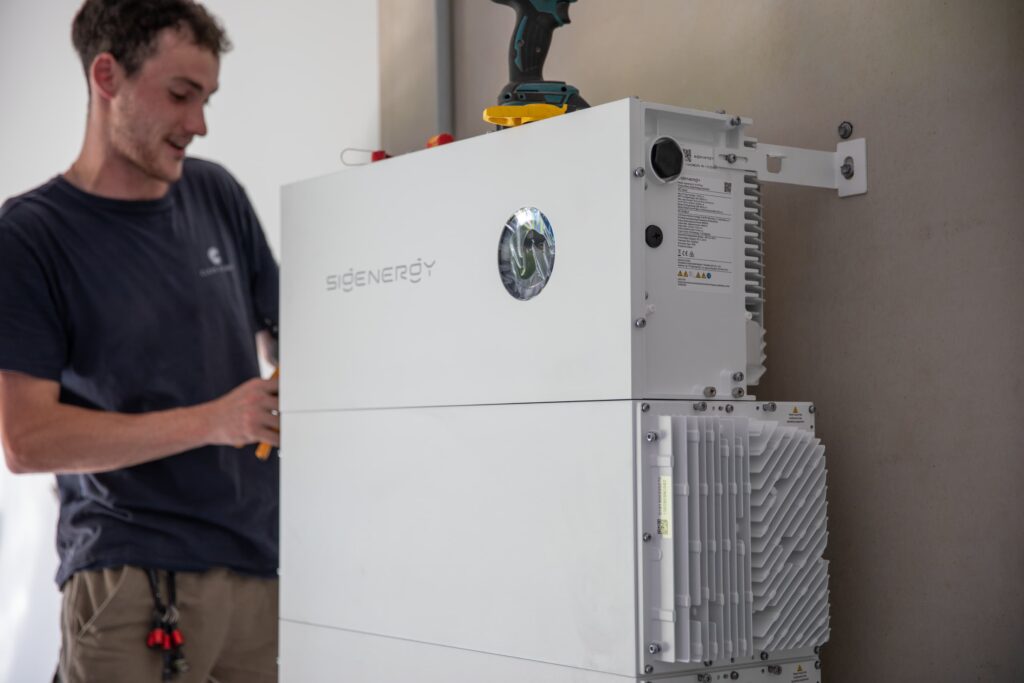
If you were already planning a battery, timing is worth factoring in. But a smaller certificate next year is not a reason to buy the wrong size this year. To be eligible, the battery must be 5 to 100 kWh nominal capacity, able to join a virtual power plant and installed by a Solar Accreditation Australia (SAA) accredited installer with battery endorsement, with one battery system per premises.
What a Well-Sized Battery Quote Should Show You
With more installers in the market, quotes vary widely. A good one explains its numbers, showing:
- Your evening usage, taken from your interval data rather than a guess.
- Your typical daily exports, so you can see the battery will actually fill.
- Usable capacity, which is what the certificates are based on, not just the rated figure.
- Whether a backup gateway is included, and which circuits it covers.
- A clear path to add capacity later if your needs change.
Be wary of a quote that recommends the largest system on the page without showing your usage. Clean Power Australia has installed more than 5,000 batteries across NSW, QLD, ACT and SA, and every home battery we design starts with the household’s evening load.
Common Questions
Is a bigger battery always better?
No. A battery only saves money on energy it stores and then supplies to your home. If it rarely fills or rarely empties, the extra capacity adds cost without much value.
Should I size my battery to get the biggest rebate?
Usually not. Certificates are calculated on usable capacity and taper above 14 kWh, so each extra kWh earns less. As at October 2026, and subject to eligibility, a third SigenStor module earns up to about $1,450 in certificates against about $2,350 for the first.
Will any battery keep my power on in a blackout?
Not on its own. Backup needs a backup-capable setup, such as the Sigen Energy Gateway for SigenStor or a separate gateway for Hinen. Which circuits stay on depends on how the system is designed and wired.
Can I start small and add capacity later?
SigenStor stacks up to six modules under one Energy Controller, and Hinen supports up to six units in parallel, subject to inverter model. But the Clean Energy Regulator allows one battery claim per premises, and capacity added to a battery that has already claimed certificates is not eligible. If you expect to need more capacity, it is usually better to install it up front.
If you would like a second set of eyes on your usage before you commit, a consultant can run these five steps with your actual data and show you the size that fits.
Sources