
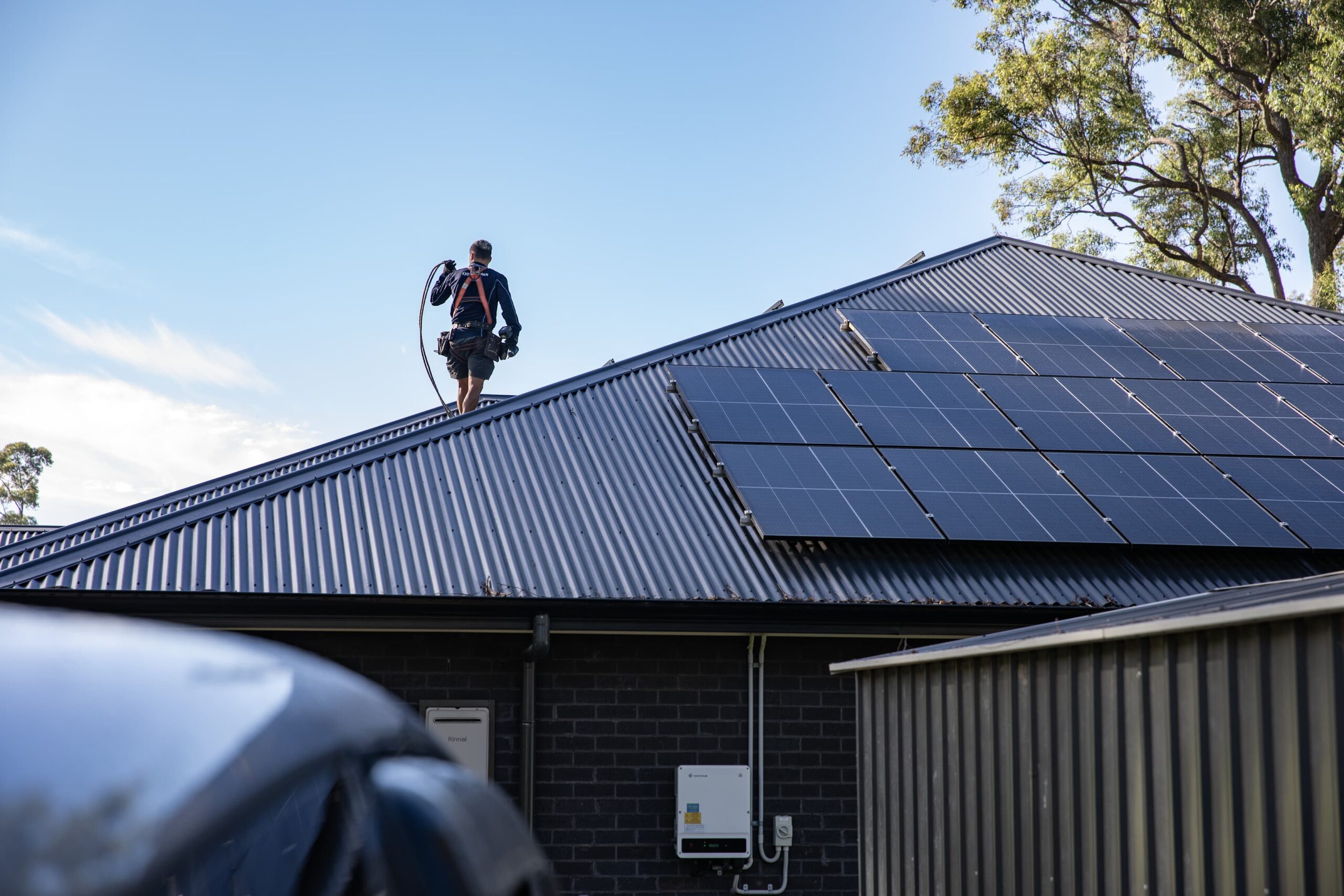
Solar designed around your roof, not a template.
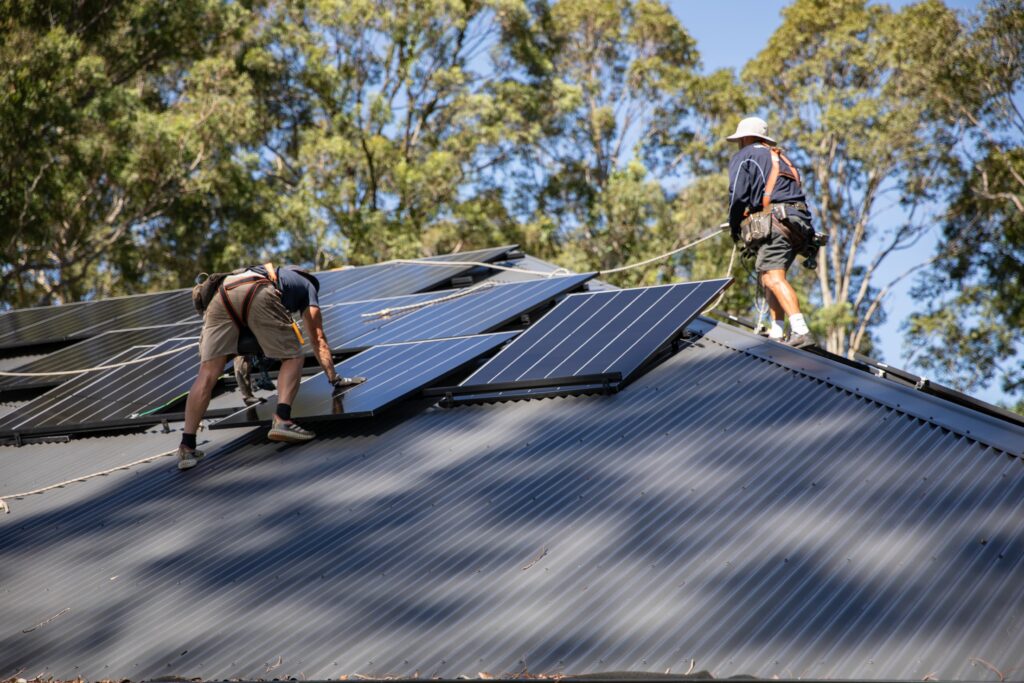
Tier-one panels, sized by our own designers to your roof orientation, shading and how you actually use power. Fitted by local SAA accredited installers.
 The panels we install
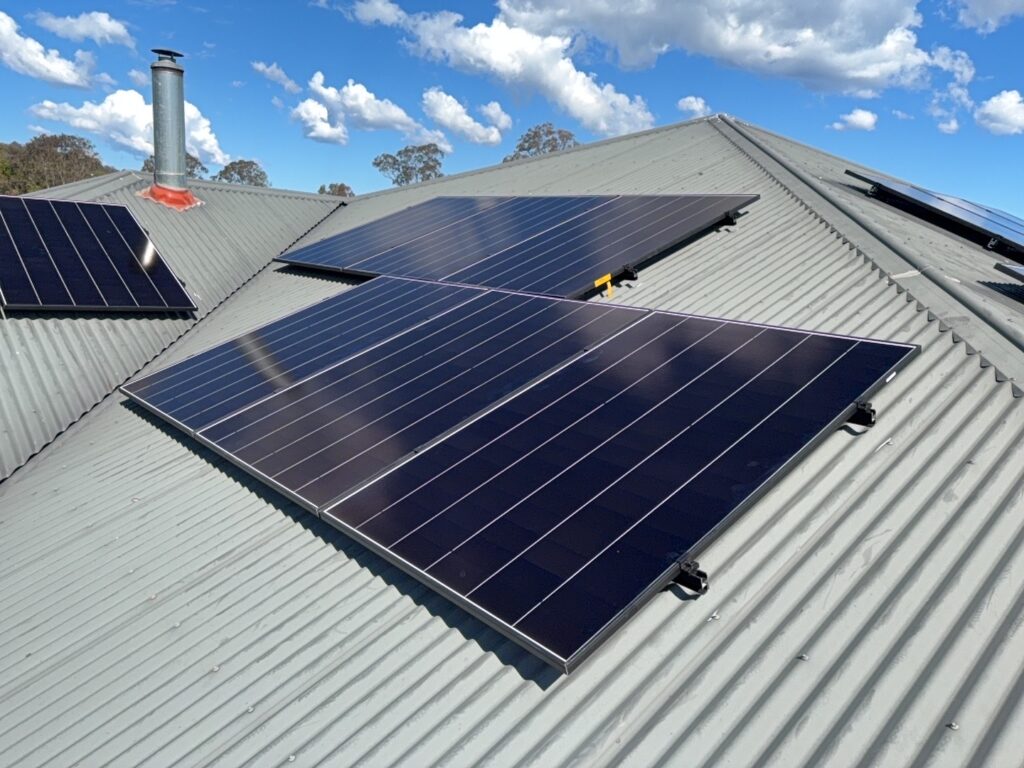
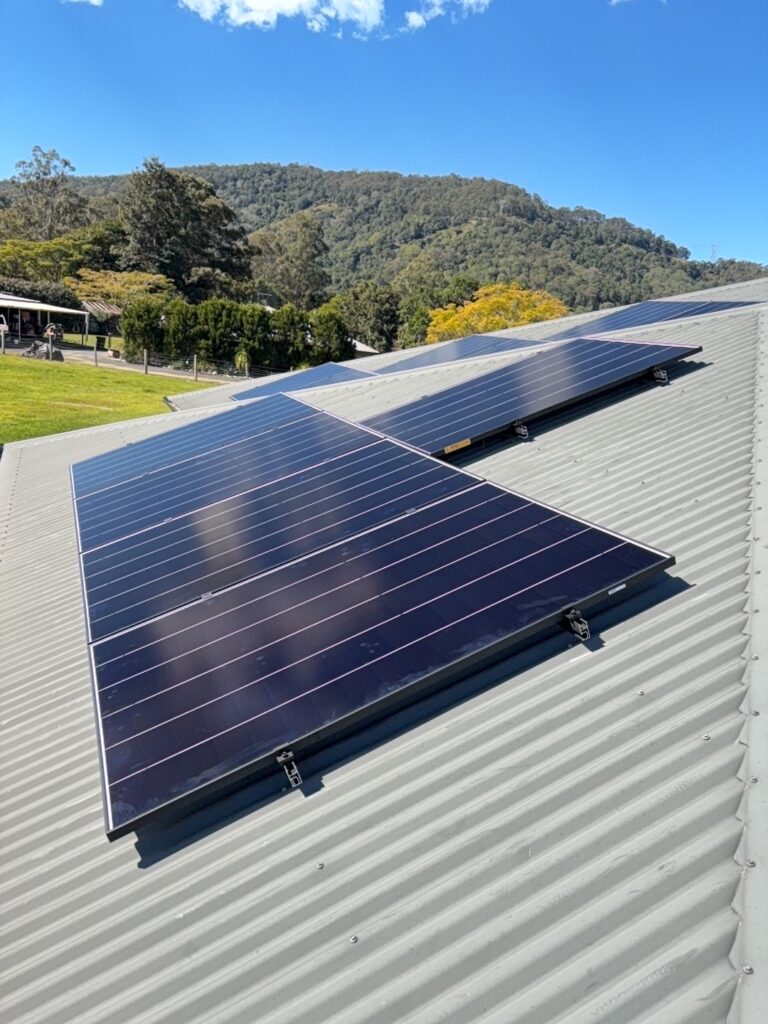
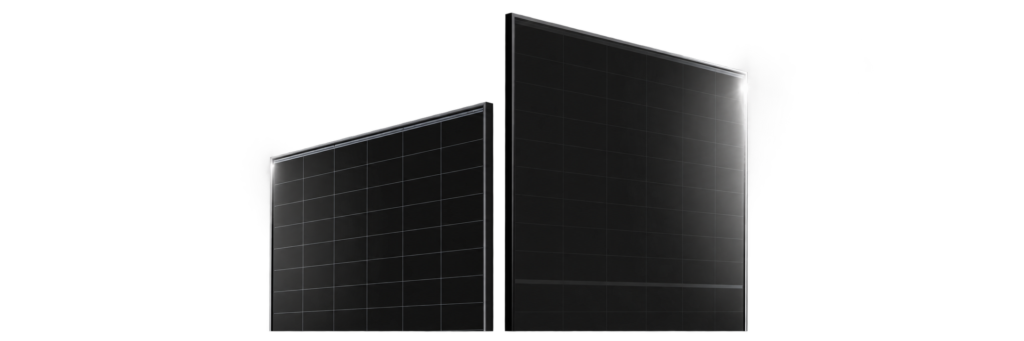
Aiko Neostar 3P54
Third-generation ABC cell technology, and the panel that took SolarQuotes Installers’ Choice for Best Panels in 2026. This is what goes on your roof.


- Degradation of 1% or less in the first year, then 0.35% a year after that, so output holds up over the life of the system
- Temperature coefficient of −0.26%/°C, which matters on an Australian roof in February
- Half-cut cell design, for better shade tolerance and lower resistive losses than full-cell panels
- Tigo optimisers available where a roof is partly shaded or faces more than one direction
- Salt mist resistance
- Ammonia resistance
- Hail testing
- Sand and dust testing
- Anti-PID
- LeTID
What you get with Clean Power
Local accredited installers
SAA accredited installers fit every system, and the person who quotes your job sees it through to switch-on.
30 year warranties
Performance warranties on panels, backed by manufacturers with an Australian presence.
We do the paperwork
Grid connection application, STC rebate assignment and any state scheme you qualify for.
How it works
-
We look at your roof and your bill
Orientation, shading and how much you use, and when.
-
We design it and show you the numbers
Panel layout, inverter sizing and the modelling behind it.
-
We handle the paperwork
Grid connection, export limits and the rebate claim.
-
We install and hand over
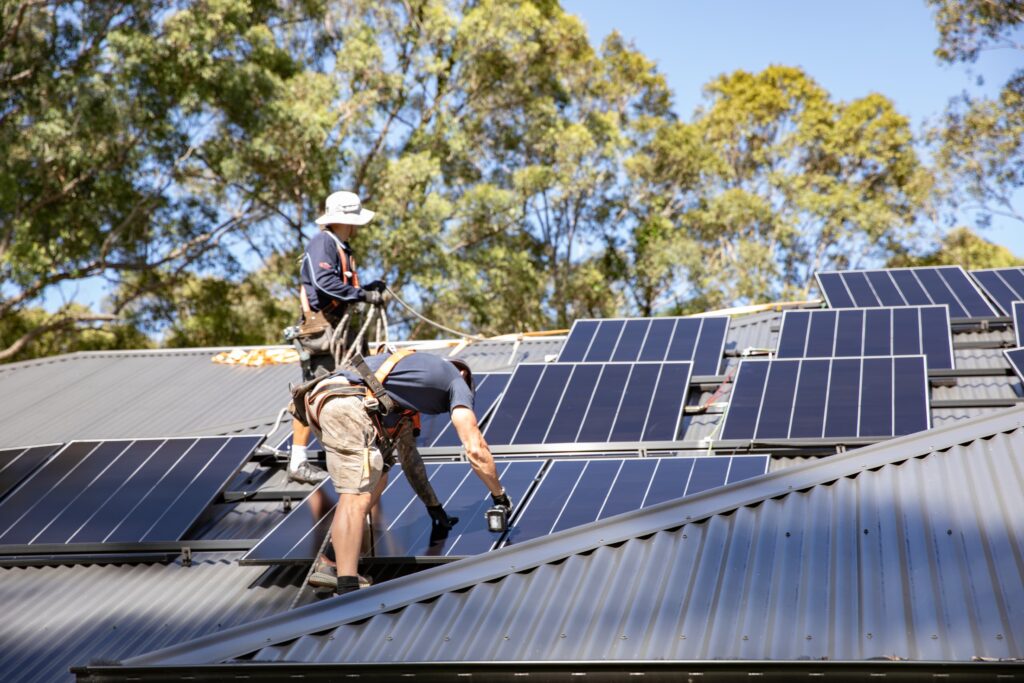
Usually a single day, then the app set up before we leave.
A full solar and battery install in 60 seconds.
The cost of doing nothing keeps going up
Electricity is one of the few household bills that rises without you changing a thing. Every quarter you stay fully grid-connected, you are buying power at retail rates during the hours your roof could have been generating it for nothing.
Doing nothing is not neutral. It is a decision to keep paying whatever the retail rate becomes, for the next twenty years, on a bill with no ceiling.
Solar will not touch your supply charge on its own, and it does not generate after dark. But it removes the single largest controllable line on most household bills, with panels carrying a thirty year performance warranty.
The federal solar rebate, and why it shrinks every year
Rooftop solar in Australia is discounted through the Small-scale Renewable Energy Scheme. Your system earns small-scale technology certificates, or STCs, based on how much clean electricity it is expected to generate over the life of the scheme.
You never handle them. We assign the certificates and take the value straight off your quote, so the price you are shown already includes the discount. Nothing to claim back, no forms, no waiting.
The part worth knowing is that it gets smaller every year. The scheme runs to the end of 2030, and the number of certificates a system earns is calculated from the years remaining. Every 1 January that number drops, so the same system installed twelve months later is worth measurably less.
What yours is worth depends on the size of the system, where you live and the date it goes in. We work it out on your quote, where it is an actual figure rather than an estimate.
- Applied at the point of sale, not claimed back later
- No means test and no application form
- Requires an SAA accredited installer and approved components
Want this priced for your own roof?
Every quote is sized to your roof, your shading and how you actually use power.
Six reasons to install solar now rather than later
Not just why solar, but why this year specifically.
-
Rebates are at their strongest now
Small-scale technology certificates are calculated on a deeming period that shortens every 1 January. The same system installed next year is worth measurably less in certificates.
-
You stop buying peak-rate power
Daytime consumption at retail rates is the most expensive electricity in your house. Generating it yourself removes that cost immediately, from the first bill.
-
Prices are not going backwards
Network and retail costs have trended up for a decade. A system installed now locks in a hedge against every increase that follows.
-
It makes a battery worth having later
Storage only pays if you are generating a surplus to store. Solar first, battery when it suits you, is the sequence that actually works.
-
Approval and install times lengthen with demand
Network connection approvals and installer availability both stretch when rebates step down and everyone moves at once.
-
Your roof is not getting any younger
If a re-roof is on the horizon, doing both together is far cheaper than paying to remove and refit an array later.
Your house with solar, and without
Indicative only. Based on a typical four-person household with a 6.6 kW system, average daytime consumption, and current retail rates. Your figures will differ with your roof, your usage pattern and your tariff.
How do solar panels actually work?
A solar panel is a sheet of silicon cells. When daylight hits them, it knocks electrons loose and the movement of those electrons is a direct current. That is the whole physical principle, and it has no moving parts, which is why panels last decades and need almost no maintenance.
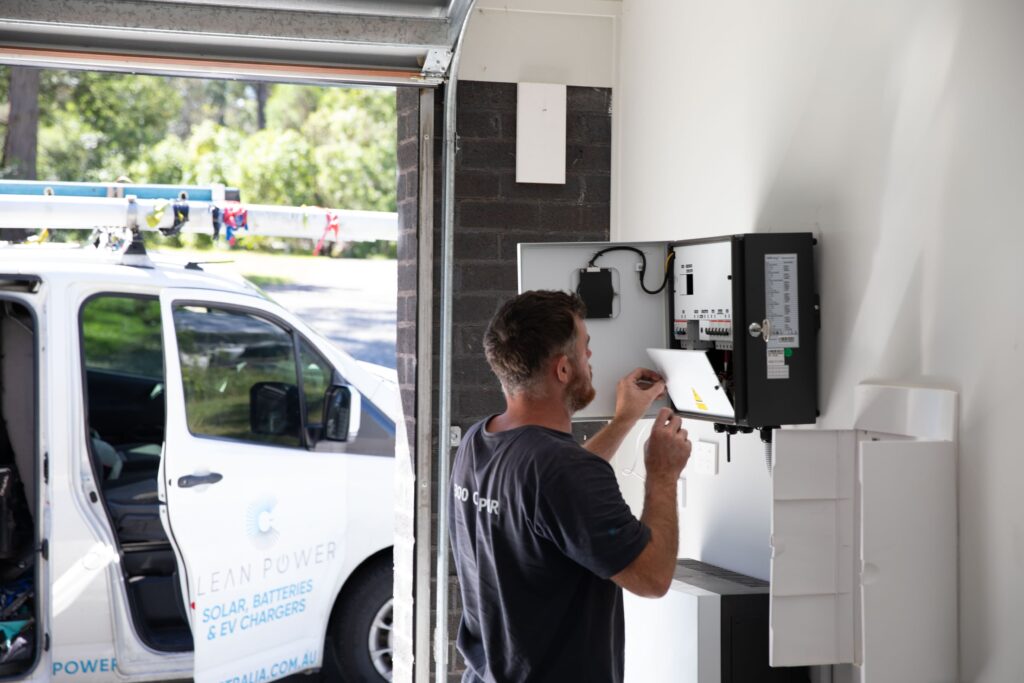
Your house runs on alternating current, so the direct current from the roof goes to an inverter, which converts it. The inverter is the working heart of the system and the component most likely to need attention over its life.
From the inverter the power goes to your switchboard and is used by whatever is running in the house at that moment. Anything you are not using flows out to the grid and earns a feed-in credit, or into a battery if you have one.
The two things that most affect output are orientation and shade. North-facing gives the highest annual total, but east and west splits often suit households drawing power in the morning and evening better. Shade matters more than most people expect, because a partly shaded string can drag down panels that are in full sun, which is why panel layout is a design decision rather than a matter of filling the roof.
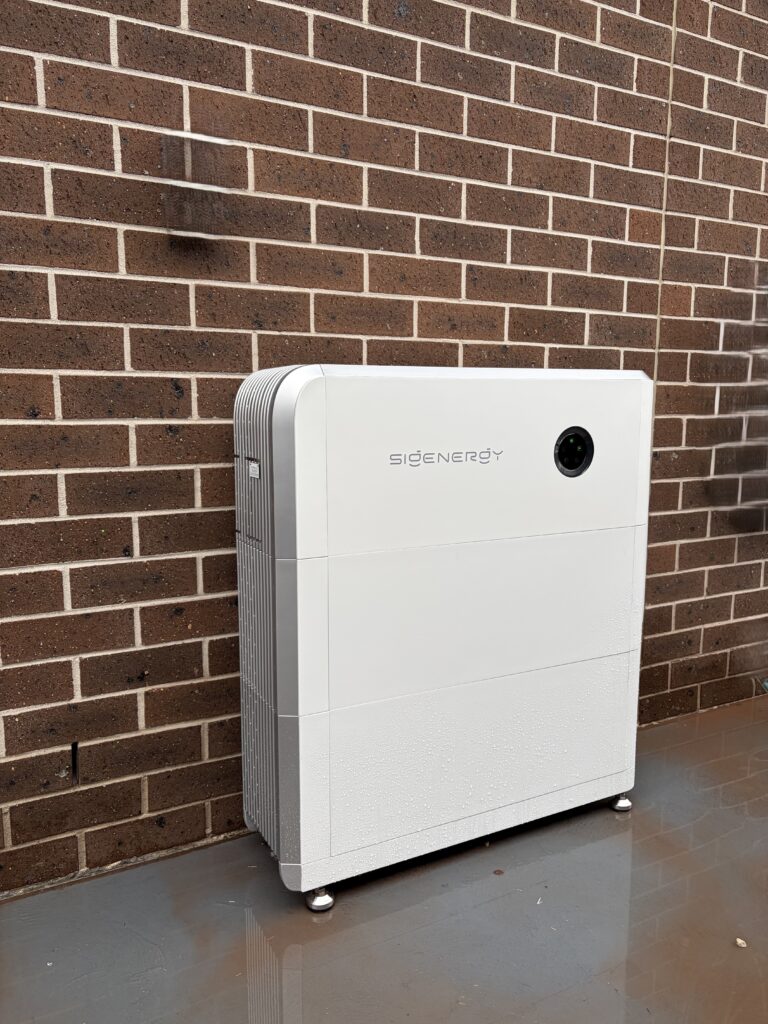
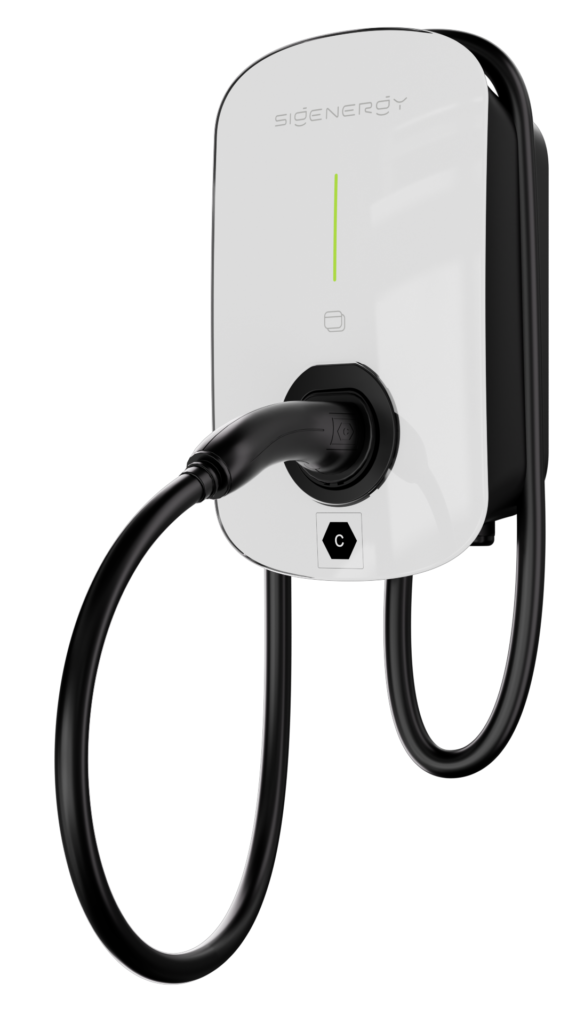
Two ways to get more out of it
Solar cuts your daytime power. These are the two things that take it further, and both work harder when you already have panels on the roof.
Still weighing it up?
Frequently asked questions
Is there a rebate on solar panels?
Yes. Rooftop solar is discounted through the federal Small-scale Renewable Energy Scheme, which issues small-scale technology certificates (STCs) based on your system size, location and installation date. We assign the certificates and take the value off your quote, so it is a point-of-sale discount rather than something you claim back.
How much is the solar rebate worth?
It depends on the size of the system, which STC zone you are in, and when it is installed. There is no fixed figure, which is why we calculate it on your quote rather than advertising a number. It is typically the single largest discount on a residential solar purchase.
Is the solar rebate ending?
It reduces rather than ends. The scheme runs to 31 December 2030, and the number of certificates a system earns is based on the years remaining, so it steps down every 1 January. Waiting a year means the same system attracts a smaller discount.
Do I need to apply for the rebate?
No. There is no application, no means test and no postcode restriction. You need an SAA accredited installer and approved components, both of which are standard on everything we install.
How many panels do I need?
It depends on your consumption, roof space and whether you plan to add a battery or an EV. We model it rather than guess, and show you the working.
Will solar work on my roof?
Most roofs work. North is ideal but east and west splits often suit households that use power in the morning and evening. Heavy shading is the main limiter, and we will say so if that is your situation.
How long does installation take?
Usually a single day. Larger systems, or homes needing switchboard upgrades, can run into a second day. We tell you which before you commit.
What happens to power I do not use?
It exports to the grid and you receive a feed-in tariff. A battery lets you store it instead, which is almost always worth more.
Do you handle the rebates?
Yes. We assign the STCs at quote so the discount is already in your price, and we lodge any state scheme paperwork you qualify for.
What our customers say


Ready to see what solar and battery could do for your place?
Tell us a little about your home and a local consultant will call you back. No obligation, no pressure.
Prefer to talk? Call 02 8311 7338.