When to Upgrade Your Solar System, and Why Before 1 January
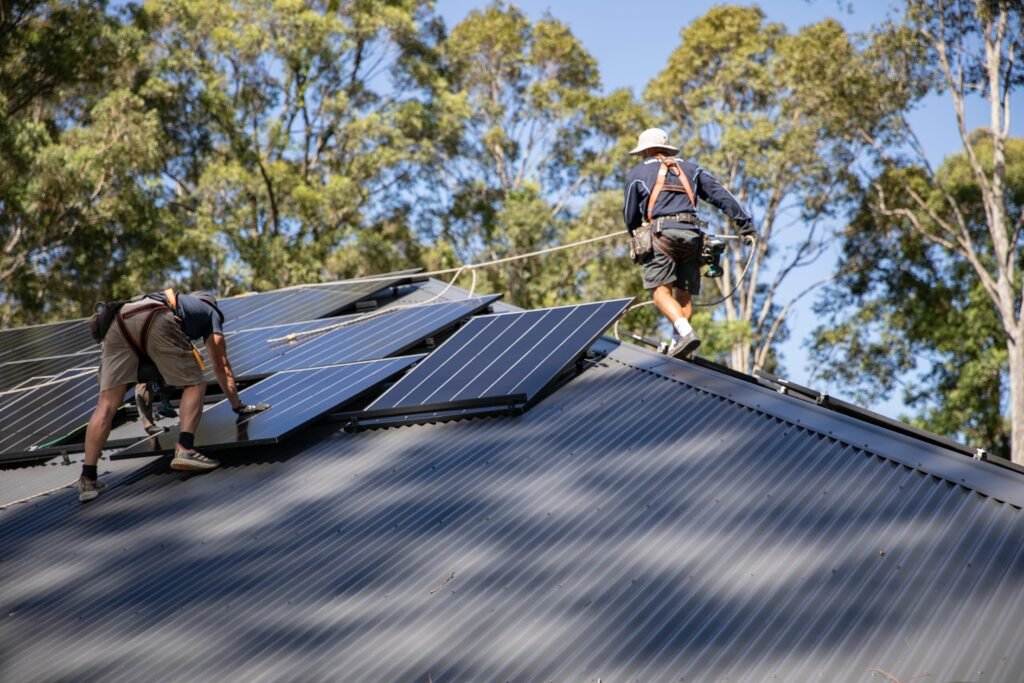
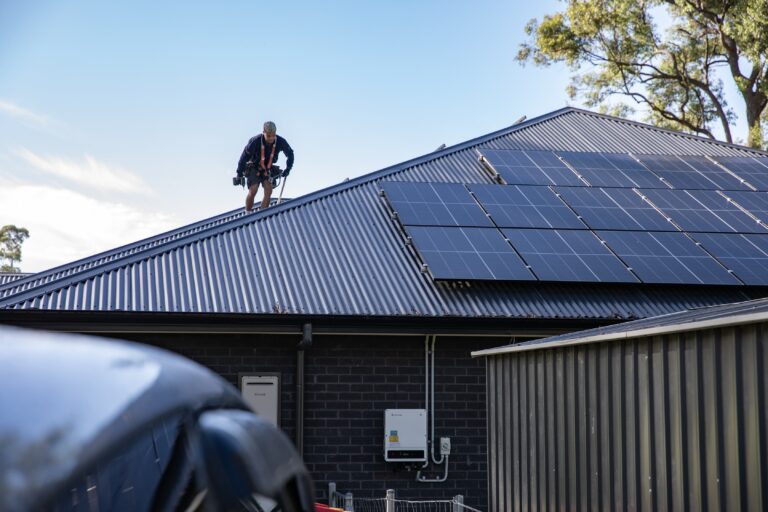
Spring has pushed rooftop solar to new highs. AEMO’s latest quarterly report shows rooftop solar on the east coast grid averaged a record 3,203 MW over July to September 2026, and on Sunday 20 September demand on the grid fell to an all-time low of 9,422 MW, helped by so many homes running on their own panels.
But plenty of homes are not sharing in it. Systems installed ten or more years ago are often small, running on an ageing inverter, and sized for a household that did not have an EV, a heat pump or ducted air conditioning. This guide shows you when to upgrade your solar system, which upgrade makes sense, and why the timing matters before 1 January 2027.
When Should You Upgrade Your Solar System?
It is time to upgrade your solar system when it no longer covers how your household uses power today. In practice that usually means one of four things: the inverter is more than ten years old or showing faults, the system is too small for your daytime use, your household has added big electric loads, or you want a battery and there is not enough surplus solar to fill it.
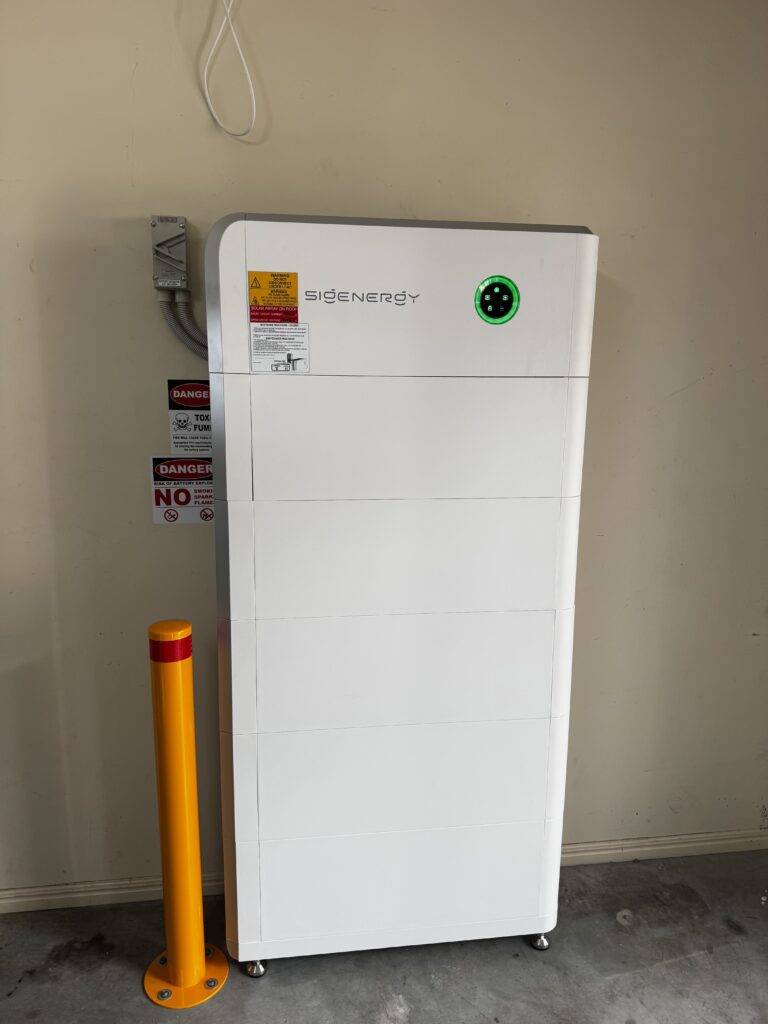
That last one matters more each year. A battery is what lets you charge up at midday and use that power in the evening, when you need it and rates are highest. It can only do that well if your panels produce enough at midday. A small old system often cannot.
One caution before you replace anything: a drop in output does not always mean a part has failed, as energy.gov.au points out. Dirty panels, new shading or a tripped isolator can all look like a dying system, so get it checked first.
Signs Your Solar Is Due for an Upgrade
| What you notice | What it usually means | Typical fix |
|---|---|---|
| Inverter is 10+ years old, or shows error lights | It is near the end of its expected life | New inverter, often a battery-ready hybrid |
| Bills crept back up after an EV, heat pump or new air con | Your daytime use has outgrown the system | Add panels or replace the system |
| You export little or nothing at midday | No surplus left to store | More panels before, or with, a battery |
| Big evening bills despite solar | Your solar is used up by day and sold cheaply | Add a battery |
| Panels cracked, discoloured or newly shaded | Output loss you can fix | Inspection, then replace or relocate panels |
On lifespans, energy.gov.au puts solar panels at 20 to 30 years and string inverters at 10 to 15 years. So the most common upgrade is not new panels at all. It is a new inverter, which is also the natural moment to make the system battery-ready.
Your Four Upgrade Options
- Replace the inverter. Best when the panels are healthy but the inverter is old. Choosing a hybrid inverter means a battery can connect to it directly, now or later. The federal government’s inverter guide explains the difference.
- Add panels. Suits homes with spare roof space and a growing daytime load. Whether new panels can join the existing system depends on the inverter, so this is often paired with option one.
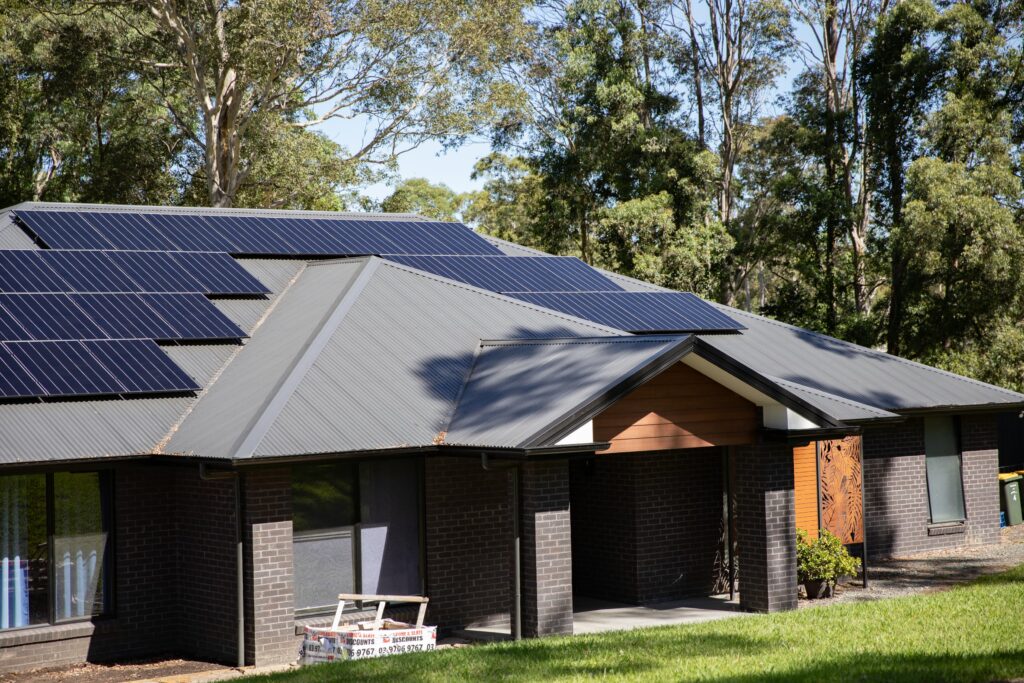
- Replace the whole system. Makes sense for very small or very old systems, or where panels are damaged. You end up with one modern, matched home solar system and one set of warranties.
- Add a battery. If your solar already exports plenty at midday, a home battery may be the only upgrade you need.
Not sure which upgrade your system needs? Our consultants look at your inverter, roof and bills, then recommend the smallest change that does the job. See how we design home solar
Why Upgrade Your Solar System Before 1 January?
Both federal discounts step down at the start of 2027. For solar panels, the number of small-scale technology certificates (STCs) a new system creates depends on a deeming period that shrinks each year until the scheme ends in 2030. According to the Clean Energy Regulator, it is five years for systems installed in 2026 and four years in 2027. That is about 20% fewer certificates for the same system.
For batteries, the Cheaper Home Batteries Program factor drops from 6.8 to 5.7 on 1 January 2027. Our federal battery rebate page explains how that discount is calculated. Both are as at October 2026 and subject to eligibility, and the discounts come from the federal scheme, not from any installer.
| Installed in | Solar deeming period | Battery STC factor |
|---|---|---|
| 2026 (May to December) | 5 years | 6.8 |
| 2027 (January to June) | 4 years | 5.7 |
| 2027 (July to December) | 4 years | 5.2 |
| 2028 (January to June) | 3 years | 4.6 |
What a Modern System Gives You
Panels have moved a long way in a decade. The Aiko panels we install use all back contact (ABC) cells, with the electrical contacts moved to the back so the front has no grid lines. Aiko’s latest 60-cell module is rated above 25% efficiency and up to 545 W, according to the manufacturer, so you need fewer panels for the same output on a smaller roof. They come with a 30 year performance warranty.
Clean Power Australia has installed more than 250,000 panels across NSW, QLD, ACT and SA, using local SAA accredited installers, and most homes are installed in a day. We also handle the grid connection application and the STC paperwork. For a real example, see how we redesigned an undersized, shaded older system with storage in our customer case studies, or read our guide on how to choose solar panels.
Common Questions
Can I add new panels to my old system?
Sometimes. It depends on whether your inverter has spare capacity and can work with modern panels. Often the cleaner answer is a new inverter with the extra panels, which we check before quoting.
Will upgrading affect my feed-in tariff?
It can if you are on an older or premium feed-in arrangement. Ask your retailer before you change your system so there are no surprises.
What happens to my old panels and inverter?
They should be removed by an accredited installer or licensed electrician and recycled. Some states ban solar panels from landfill, and inverters can be recycled as e-waste.
Should I upgrade the solar or add a battery first?
If your system already exports plenty at midday, the battery usually comes first. If it barely exports, upgrade the solar first, or do both together so the battery has enough power to store.
If your solar was installed a decade ago, a short consultation will tell you whether it is still pulling its weight and what one change would make the biggest difference.
Sources
- AEMO, Quarterly Energy Dynamics Q3 2026 (October 2026)
- Clean Energy Regulator, Calculate STC entitlements (updated September 2026)
- Clean Energy Regulator, Solar batteries (updated July 2026)
- energy.gov.au, Replace and recycle your solar system
- energy.gov.au, Inverters
- AIKO, Gen 3 ABC 60-cell module launch in Australia (March 2026)