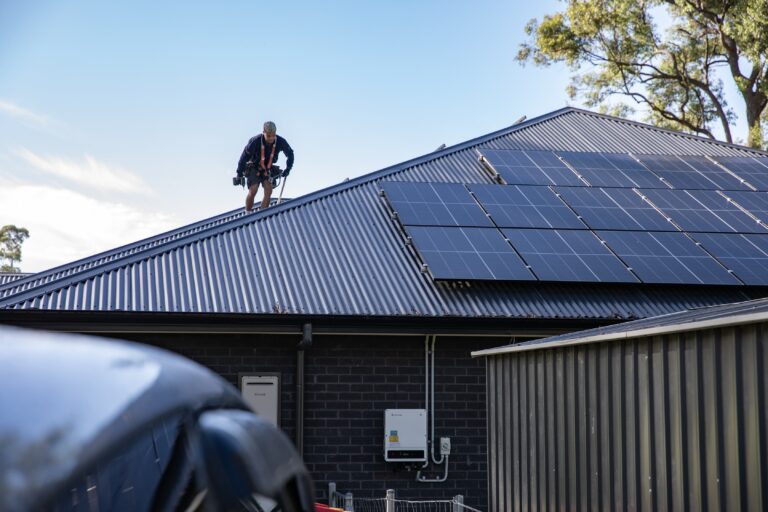
Sigenergy Tier 1: BloombergNEF Names It a Top Battery Maker
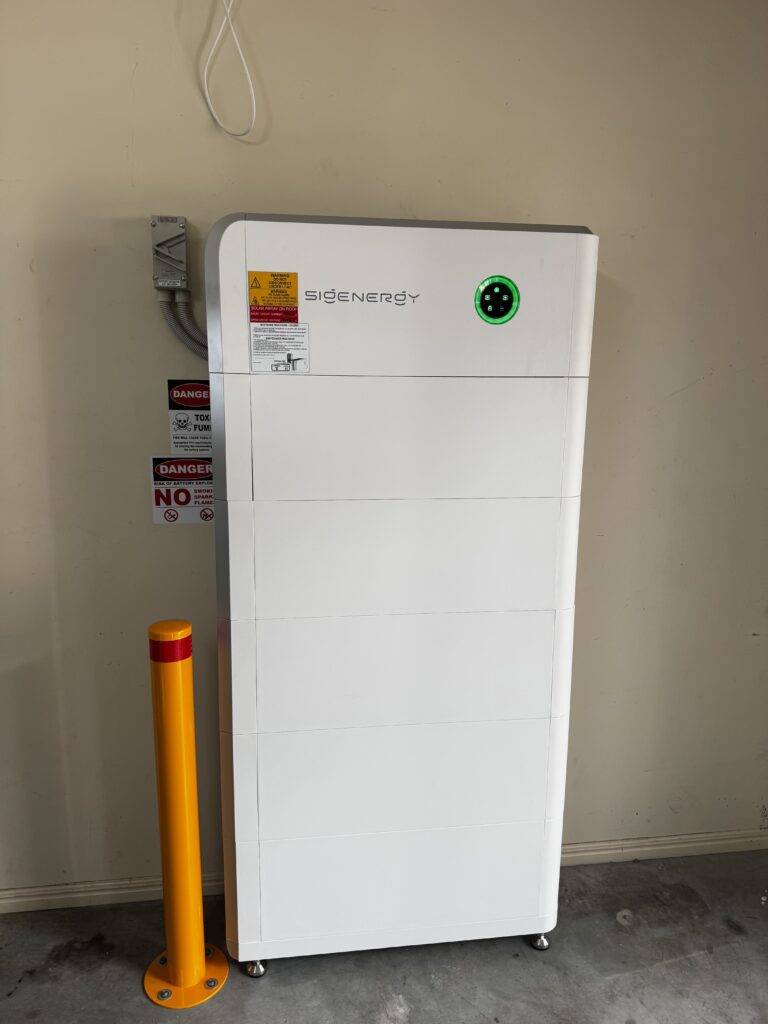
Big news for anyone with a SigenStor on the wall. On 2 November 2026, Sigenergy announced it has been named a Tier 1 Energy Storage Manufacturer by BloombergNEF (BNEF) for the fourth quarter of 2026. It is one of the most respected benchmarks in the global energy storage industry, and the bar to reach it went up this year.
Here is what Sigenergy Tier 1 status means, why it is so hard to earn, how it lines up with what Australian homeowners say about their batteries, and what the federal rebate is worth on a Sigenergy system before it drops on 1 January. Figures are as at November 2026 and subject to eligibility.
The Short Answer: What Does Sigenergy Tier 1 Mean?
It puts Sigenergy in what BloombergNEF describes as the top tier of energy storage manufacturers. BNEF’s Tier 1 lists are used by banks, developers and project owners around the world to pick suppliers they can trust on large projects. To make the list, a manufacturer’s equipment must already be powering major projects that banks have been willing to fund.
In plain terms, the same company behind the battery in your garage is trusted by the people who finance grid-scale storage. That is a strong signal of scale, financial stability and staying power.
Why the BNEF Tier 1 Bar Is So High
BloombergNEF is the energy research arm of Bloomberg, and it reviews its energy storage Tier 1 list every quarter. Under the BNEF methodology updated in August 2026, a manufacturer must:
- Supply six different projects in the last two years, for at least three different buyers.
- Deliver at scale: every qualifying project must be at least 10 MW or 10 MWh, and owned by a company independent of the manufacturer.
- Win over the banks: at least one project must have closed non-recourse finance with at least two commercial banks.
- Own its manufacturing plants, so the company is building its own product, not rebadging someone else’s.
The bank test is new for 2026, which makes this one of the toughest years yet to earn the listing. Non-recourse finance means the bank is repaid from the project’s own earnings, so lenders only agree after scrutinising the equipment and the company that made it.
According to the Sigenergy announcement, the recognition reflects its financial stability, bankability and field-proven reliability across major global markets, with projects ranging from commercial and industrial sites to utility-scale power plants.
What It Means for SigenStor Owners
- A warranty with real backing. SigenStor comes with a 10 year warranty, and Tier 1 status shows the company behind it is built to be around for the long haul.
- Proven at every scale. The technology trusted on utility-scale projects is the same platform that runs your home system, with more than 200,000 installations worldwide as at May 2026.
- Ongoing investment. Sigenergy credits its continuous R&D and “AI in All” strategy for the result, the same approach behind the AI-powered energy management in every SigenStor.
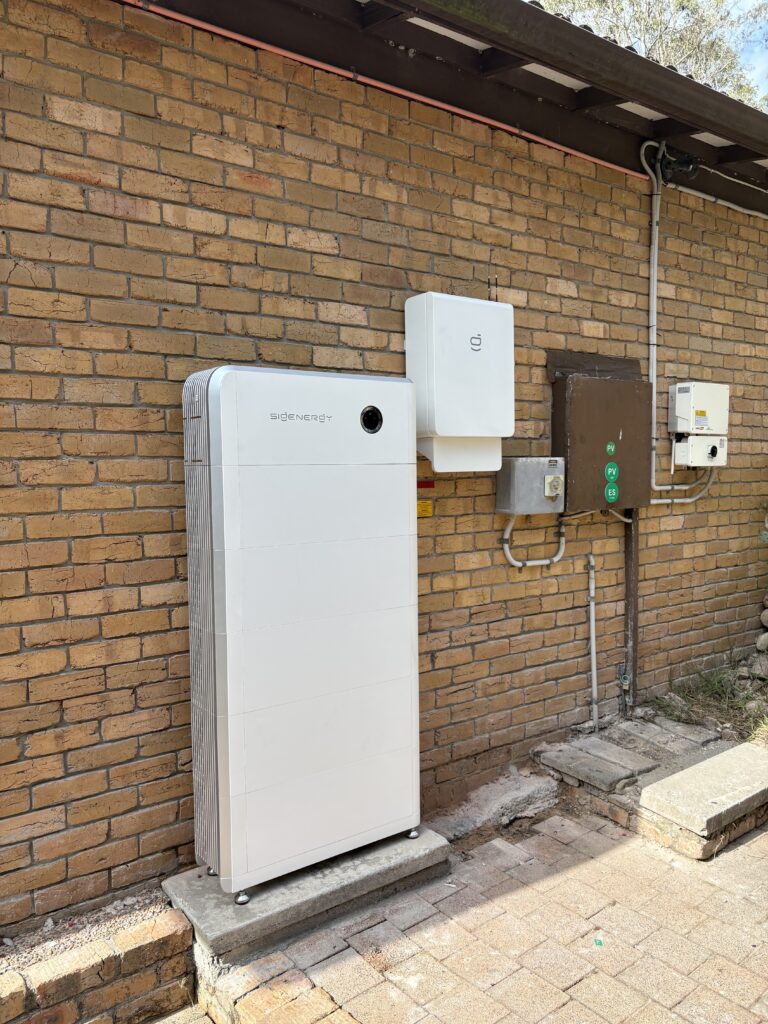
If you want the detail on how the system itself works, our guide to how SigenStor grows with your home covers the modules, the controller and backup.
Tier 1 With the Banks, Number One With Installers
The Tier 1 listing comes from the banking and project world, and the people who install batteries for a living agree. In the SolarQuotes 2026 Installer’s Choice Awards, 125 vetted installers were asked which home battery they would choose for their own home. Sigenergy came out on top with 26% of the vote.
Homeowners are saying the same thing. On the SolarQuotes best home battery brands ranking, Sigenergy sits in first place with 4.9 stars from 1,985 ratings, as at 12 November 2026.
Trusted by the banks that fund grid-scale storage, chosen by installers for their own homes and top rated by the households living with it every day. That is a rare combination.
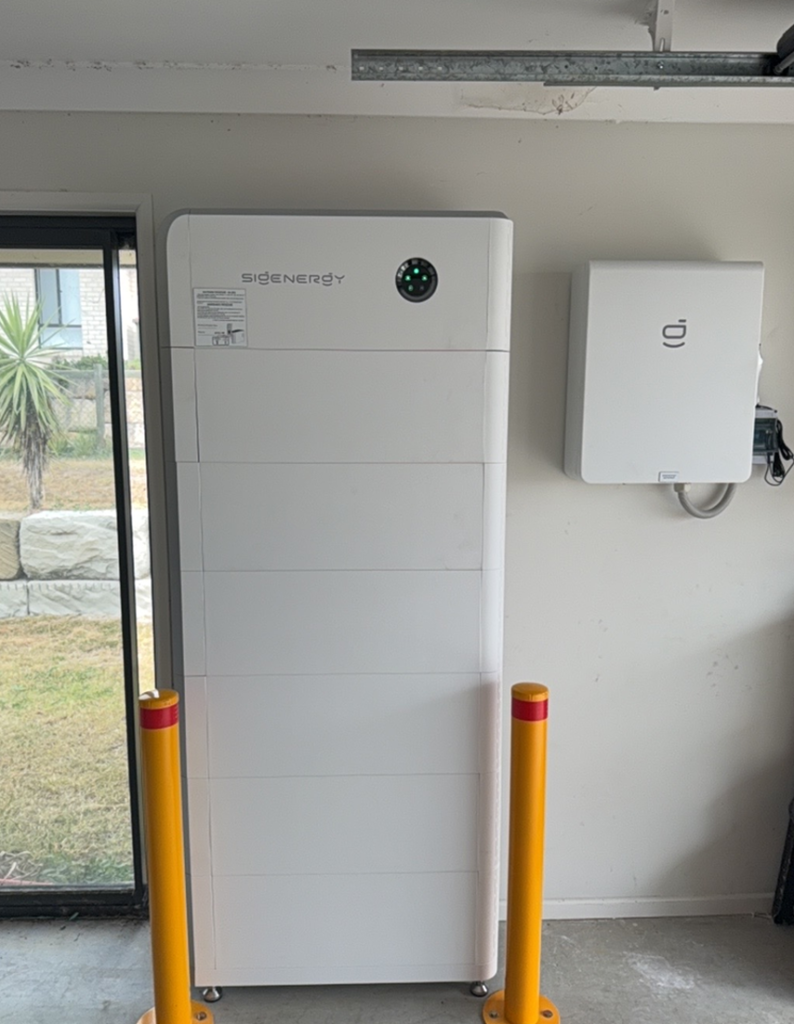
Want a Tier 1 battery on your home? Our consultants size your SigenStor to your evening usage, not a round number. Explore the SigenStor range
What the Battery Rebate Is Worth on a Sigenergy System
The federal battery rebate comes from the Cheaper Home Batteries Program, not your installer. The Clean Energy Regulator sets it through certificates calculated on usable capacity, and its schedule cuts the rate on 1 January 2027. Here is what that means for SigenStor modules with 8.76 kWh usable each:
| Sigenergy system | Installed by 31 Dec 2026, up to | Installed Jan to Jun 2027, up to |
|---|---|---|
| 1 module (8.76 kWh) | About $2,350 | About $1,950 |
| 2 modules (17.52 kWh) | About $4,350 | About $3,650 |
Values are upper bounds at the $40 clearing house price, rounded to the nearest $50. Certificates usually trade a little under $40. The rate is 6.8 certificates per kWh until 31 December and 5.7 from January, with capacity above 14 kWh counted at 60%.
There is a second clock too. The Coalition has pledged to scrap the program if it wins the next federal election. Today’s rate is the best it will be, so if a Sigenergy battery is on your list, claim the rebate while it is available.
Getting a Tier 1 Sigenergy Battery on Your Home
A SigenStor lets you charge up in the middle of the day and store that power for the evening, from your own solar or from free midday power on some retail plans, so you stop buying peak-rate power after dark. Add modules as your needs grow, and pair it with the Sigen Gateway for backup.
Clean Power Australia is proud to install Sigenergy batteries across NSW, QLD, ACT and SA, as part of 5,000 batteries installed to date. We design every system around your evening usage, show the rebate on your quote and handle the certificate paperwork. You can also see our full range of home battery options.
Common Questions
What is a BNEF Tier 1 energy storage manufacturer?
It is a manufacturer on BloombergNEF’s quarterly Tier 1 list. Companies qualify by supplying multiple large, independently owned storage projects in the last two years, including at least one financed by commercial banks. The list is widely used to identify bankable suppliers for major projects.
Does Tier 1 status cover Sigenergy home batteries?
The listing recognises Sigenergy as a company, based on its large-scale projects. The same manufacturer designs, builds and supports the SigenStor home battery, so homeowners get the backing of a Tier 1 business. That includes the Sigenergy EV charger, which plugs into the same SigenStor system.
Is the battery rebate available on Sigenergy batteries?
Yes, as at November 2026, subject to eligibility. The rate drops on 1 January 2027 and the Coalition has pledged to scrap the program if elected, so installing sooner locks in the higher amount.
How big a Sigenergy battery do I need?
It depends on how much power you use after dark. Each SigenStor module adds 8.76 kWh of usable storage, and up to six can sit on one controller, so the system can be sized to your home and grown later.
Ready to put a Tier 1 battery on your home while the rebate is at its highest? Get a quote today.
Sources
- Sigenergy, Sigenergy Ranks as a BloombergNEF Tier 1 Energy Storage Manufacturer in Q4 2026, 2 November 2026
- BloombergNEF, Energy Storage Tier 1 methodology, August 2026
- BloombergNEF, Tier 1 reports
- SolarQuotes, Best Home Battery In Australia 2026: Installer’s Choice Awards, July 2026
- SolarQuotes, Best home battery brands, updated 12 November 2026
- Clean Energy Regulator, Solar batteries, updated 29 October 2026
- Sigenergy Australia, installation count as at May 2026