Home Batteries in Sydney’s West Now Out-Store a Grid Battery
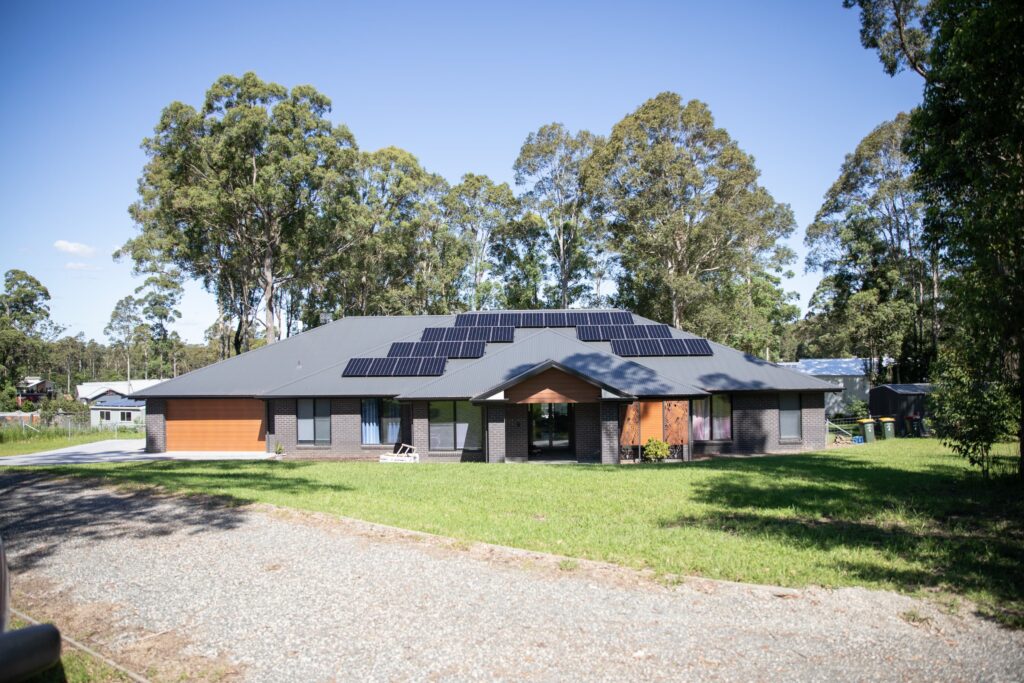
One postcode in Sydney’s north-west now has more battery storage than a nearby grid-scale battery. An analysis of Clean Energy Regulator data, published by RenewEconomy on 5 November 2026, found the 4,202 home batteries in postcode 2765 (Riverstone and Marsden Park) add up to about 156 MWh. That is double the 78 MWh Wallgrove battery in Eastern Creek, around 16 km away.
So what are all these home batteries in Sydney actually doing, and should your home have one? Here is what the numbers show, why your neighbours are buying, and how to tell if a battery makes sense for you.
The Short Answer: Why Are So Many Sydney Homes Getting Batteries?
Because a battery lets you charge up at midday and use that power in the evening. In the middle of the day your solar makes more than you need, and on a Solar Sharer Offer plan the first 24 kWh of grid power from 11am to 2pm is free in NSW. In the evening, when the family is home and rates are highest, the battery runs the house instead of the grid.
Without a battery, that midday surplus is exported for a few cents and bought back at night for much more. The federal rebate has made adding a home battery far cheaper since July 2025, which is why suburbs full of solar roofs are now filling up with batteries too.
The Sydney Postcodes Leading the Country
The ranking, by energy analyst Kanav Verma, compared home battery capacity added since the federal program began across 2,473 postcodes. The top two are both in Sydney’s north-west:
| Postcode | Suburbs | Home battery storage |
|---|---|---|
| 2765 | Riverstone, Marsden Park | about 156 MWh |
| 2155 | Kellyville, Rouse Hill | about 137 MWh |
| For comparison | Wallgrove grid battery, Eastern Creek | 78 MWh |
| For comparison | Hornsdale big battery, SA | 194 MWh |
Together, those two postcodes hold about 293 MWh, more than South Australia’s famous Hornsdale battery. Nationally, around 600,000 home batteries have been installed since the program started, according to the ABC.
What Are Your Neighbours’ Batteries Actually Doing?
Mostly, they are looking after their own homes. AEMO sample data, cited in the RenewEconomy analysis, shows households with rooftop solar and a battery drew around three-quarters less power from the grid between 4pm and 9pm than solar-only homes.
The value of that shift shows up in the regulator’s own numbers. IPART’s 2026-27 time-of-day benchmarks for Endeavour Energy, the network across much of western Sydney, put exported solar at just 3.1 to 3.2 cents per kWh between 10am and 2pm, but 16.9 to 19.9 cents between 4pm and 8pm. Midday power is worth little to the grid. Evening power is worth five or six times as much, and that is the power a battery lets you avoid buying.
There is a second, bigger opportunity. Grid batteries are run by the market every five minutes, while most home batteries are not. As Verma put it, home batteries are “invisible to the grid, unless someone pools them together”. A virtual power plant is that pooling: your battery joins thousands of others to support the grid at peak times, and you are paid for it. Payments vary by program and retailer, and joining is optional.
Curious how much of your evening a battery could cover? We look at your real usage and roof, then size the battery to it. See how we work across Greater Sydney
Is a Battery Right for Your Home? A Quick Checklist
Being in a busy battery postcode does not mean a battery suits you. These are the signs it probably will:
| Sign | Why it matters |
|---|---|
| You already have solar and export a lot at midday | That surplus is earning cents. A battery keeps it for the evening. |
| Your household uses a lot of power from 4pm to bedtime | Cooking, air conditioning and kids’ devices all land in the most expensive hours. |
| You are in NSW, South East Queensland or SA | The Solar Sharer Offer gives free grid power in a midday window, which a battery can store. |
| You have or plan an EV | Stored solar can top up the car overnight instead of peak power. |
| You want power in a blackout | Backup needs a backup-capable setup such as a gateway, and whole-home backup depends on the design. |
If you ticked two or more, the next question is size. Our guide to choosing the right battery size walks through it using your evening usage, not a round number.
Why Timing Matters If You Are Thinking About It
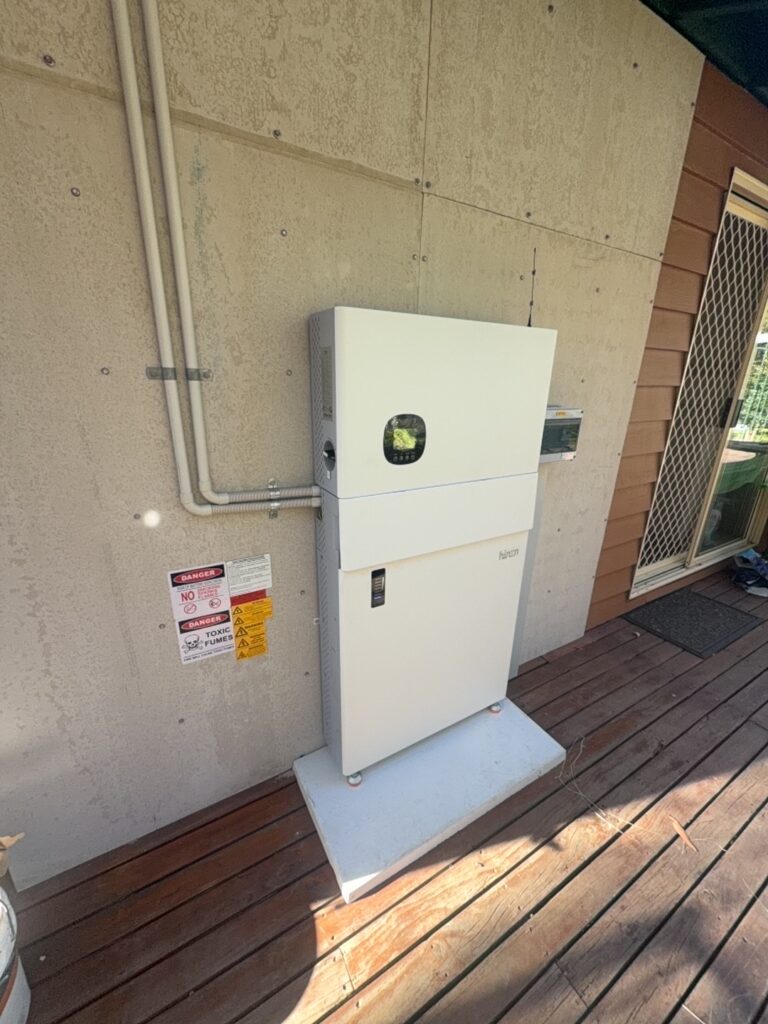
The rebate behind this boom is getting smaller. Under the Clean Energy Regulator’s schedule, the STC factor drops from 6.8 to 5.7 per usable kWh on 1 January 2027, and the government is reviewing the program ahead of its mid-year budget update. On a Hinen B14400 that scheduled drop alone takes the rebate from up to about $3,700 to up to about $3,100, as at November 2026 and subject to eligibility. Our federal battery rebate guide explains how it is calculated.
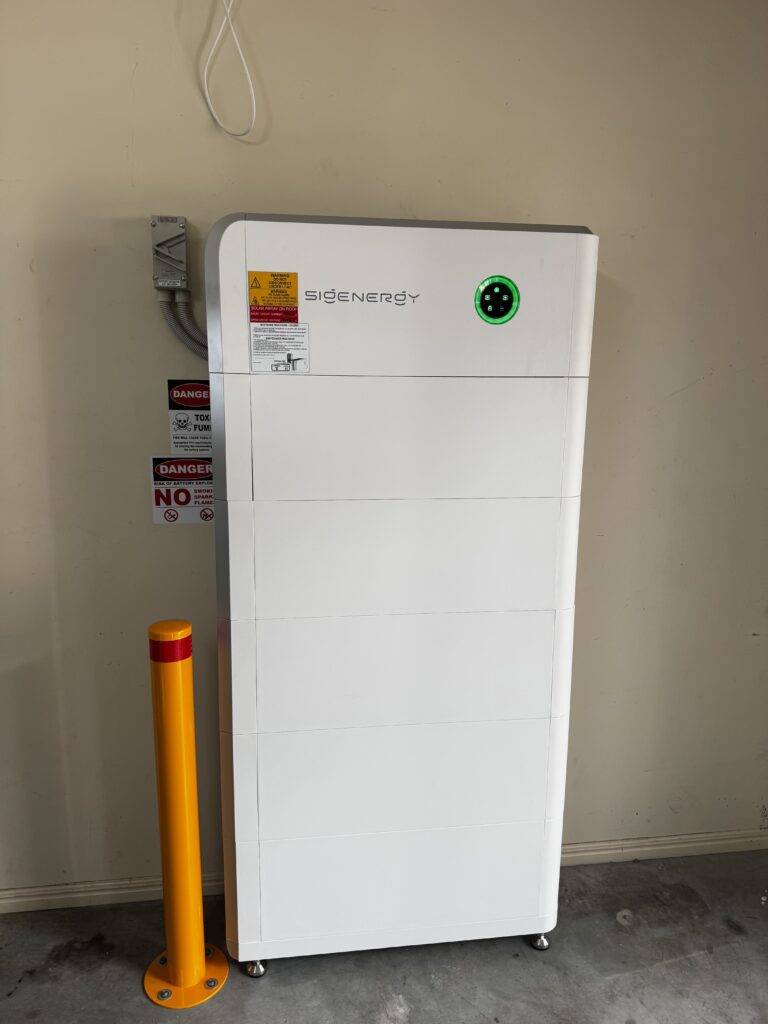
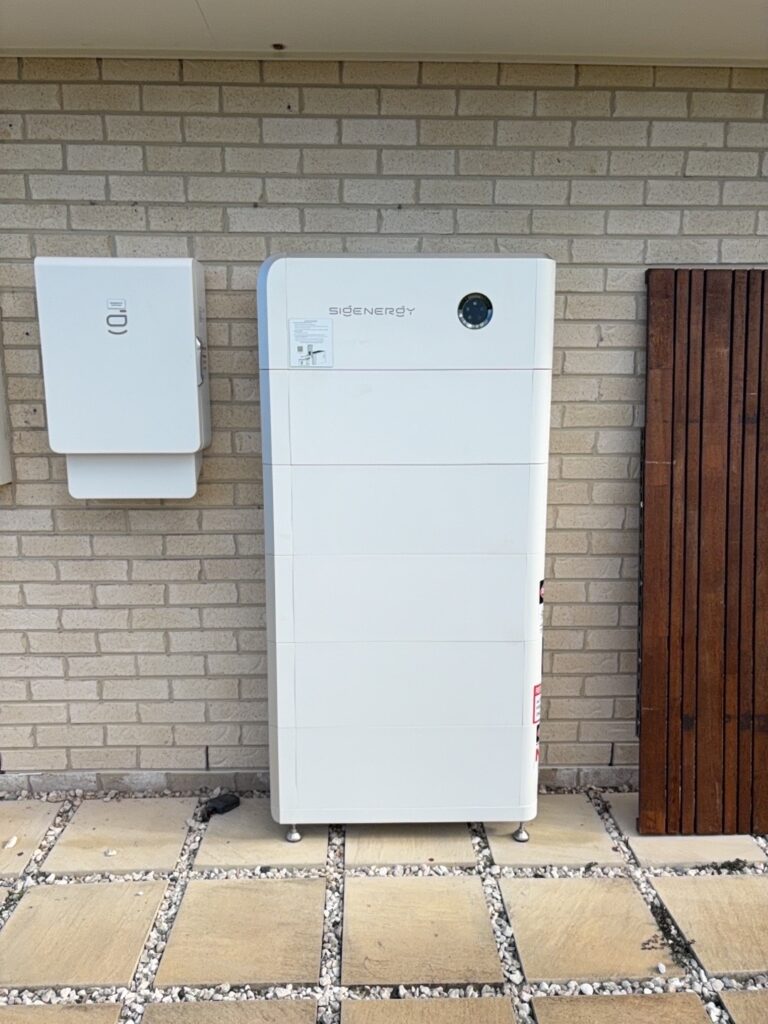
If you live in Sydney’s north-west, or anywhere else in Greater Sydney, Clean Power Australia’s local SAA accredited installers can design a system around your home. We install the modular Sigenergy SigenStor, which comes with a 10 year warranty and grows in 8.76 kWh steps, and the Hinen B14400 with a 12 year warranty. A well-sized solar battery system is how your home joins the suburbs that run on their own sunshine after dark.
Common Questions
Does having lots of batteries in my suburb help my power bill?
Indirectly, it can. Batteries soak up midday solar and supply the evening peak, which eases pressure on the grid when prices are highest. The direct saving still goes to the household that owns the battery.
Do I need solar panels to get a battery rebate?
Under the Clean Energy Regulator’s rules, the battery must be installed with a new or existing solar system. If you do not have solar yet, the two are usually designed together.
Can my battery join a virtual power plant later?
Batteries claiming the federal rebate must be capable of joining a VPP. Whether you sign up is your choice, and payments vary by program and retailer.
How long does a battery install take?
Most homes are installed in a day. Grid connection paperwork and the rebate claim are handled as part of the job.
Your neighbours have done the maths. If you want to see how the numbers look for your own roof and evening usage, a local consultant can show you.
Check what your home could save
Sources
- RenewEconomy, Batteries in the burbs are starting to compete with utility-scale storage, 5 November 2026
- IPART, Time-of-day solar feed-in tariff benchmarks 2026-27
- Clean Energy Regulator, Solar batteries: STC factors and eligibility, updated 29 October 2026
- ABC News, Environment minister lauds home battery subsidy scheme despite search for savings, 7 November 2026