The Solar Sharer Offer Is Live. Do You Still Need a Battery?
Since 1 July 2026, households with a smart meter in NSW, south-east Queensland and South Australia have been able to sign up for the Solar Sharer Offer: three hours of free electricity in the middle of every day. That raises a question we now hear a lot: if midday power is free, why would anyone still buy a battery?
Back in March, our explainer on three hours of free power a day covered what was coming. Now it is live, here is how it works, why a battery is what turns three free hours into a cheaper evening, and a checklist to help you decide.
The Short Answer: Do You Still Need a Battery?
Yes, and the offer actually makes the case for one stronger. The free window runs from 11am to 2pm in NSW and south-east Queensland and 12pm to 3pm in South Australia, according to the Australian Energy Regulator’s Solar Sharer Offer fact sheet. Free power is only useful while you are using it. A battery lets you charge up in the middle of the day and store that power for the evening, when you need it most and rates are highest.
The offer makes midday power cheap. A battery moves it to 6pm. Without storage, the free hours land when most families are out and the house is already running on its own panels. With storage, the power you capture at midday, from your own solar or the free window, runs the home through the evening.
How the Solar Sharer Offer Works
The Solar Sharer Offer (SSO) is a regulated plan built on the AER’s Default Market Offer. As at October 2026:
- Who must offer it: retailers with more than 1,000 customers in those areas. It is opt in, and retailers cannot move you onto it by default or at a contract rollover.
- When the free hours run: 11am to 2pm in NSW and south-east Queensland, 12pm to 3pm in South Australia. The AER has fixed these times year round.
- How much is free: the first 24 kWh you use in the window each day. Anything above that is charged at a “reasonable usage” rate, and the daily supply charge still applies.
- What you need: a smart meter. You do not need solar, and renters can sign up. ABC News reported an earlier smart meter upgrade may come at a cost.
Outside those three Default Market Offer regions, it is not part of the first rollout.
Why Free Midday Power Overlaps Your Solar
The window sits in the middle of the day on purpose. The federal Energy Minister’s announcement said the aim was more use when solar is abundant and lower evening peak demand.
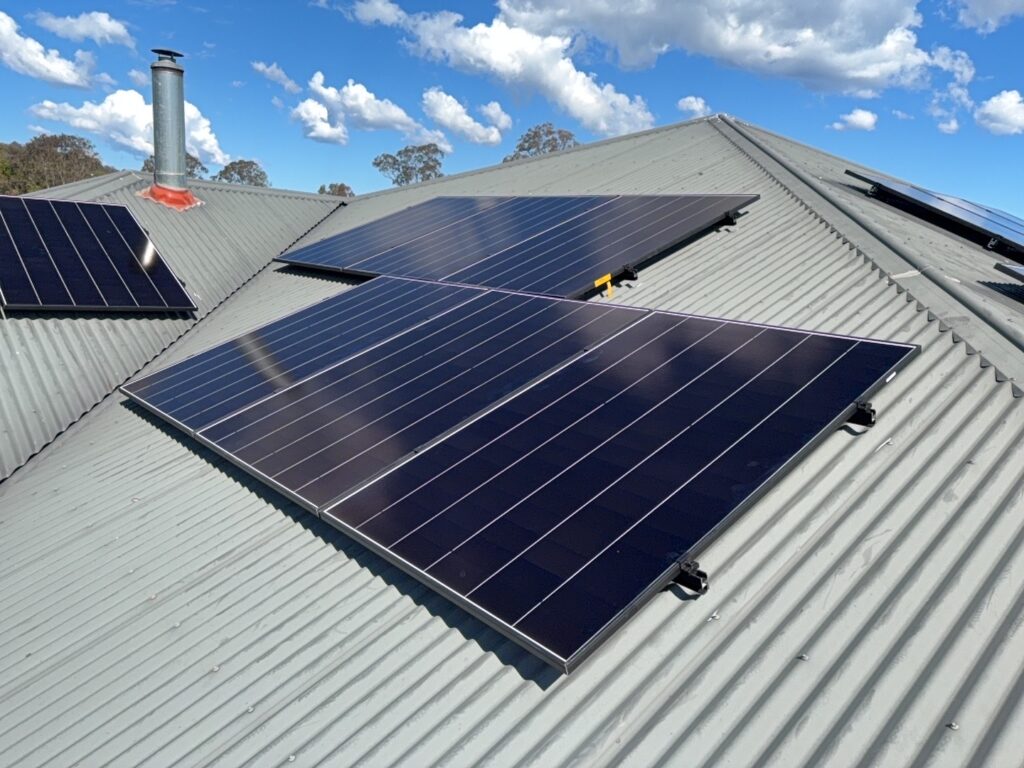
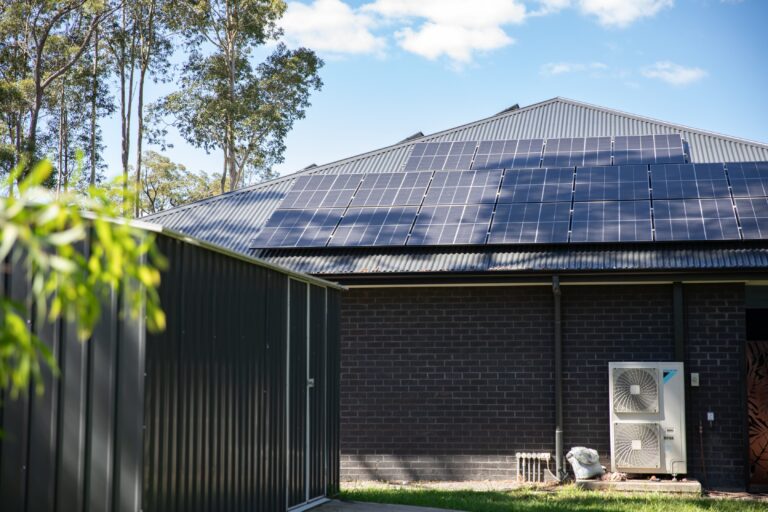
If you already have panels, much of your midday use is already covered by your own system. Free grid power at 1pm only helps with the use your panels cannot cover: a heavily overcast day, a big load such as EV charging, or a system that is too small for your daytime demand. And none of it helps after sunset unless you can store it.
Evenings Are Where the Bill Is Decided
Free hours have to be paid for somewhere. The AER’s fact sheet explains that the cost of the free period is recovered through the plan’s other usage charges. Energy Consumers Australia puts it plainly: rates outside the free window are higher.
Energy Consumers Australia modelled a household on the Ausgrid network using 20 kWh a day on a flat-rate plan, costing around $2,800 a year. Both scenarios put 30% of use in the free window:
- With 40% of use in the 3pm to 9pm peak, the household was about $320 a year worse off on the Solar Sharer Offer.
- With 20% of use in the peak, it was about $210 a year better off.
The free hours were identical in both cases. What changed the result was how much power the household bought in the evening. That is the exact job a battery does: it stores your daytime solar and runs the home through the evening, so you buy less grid power during the peak.
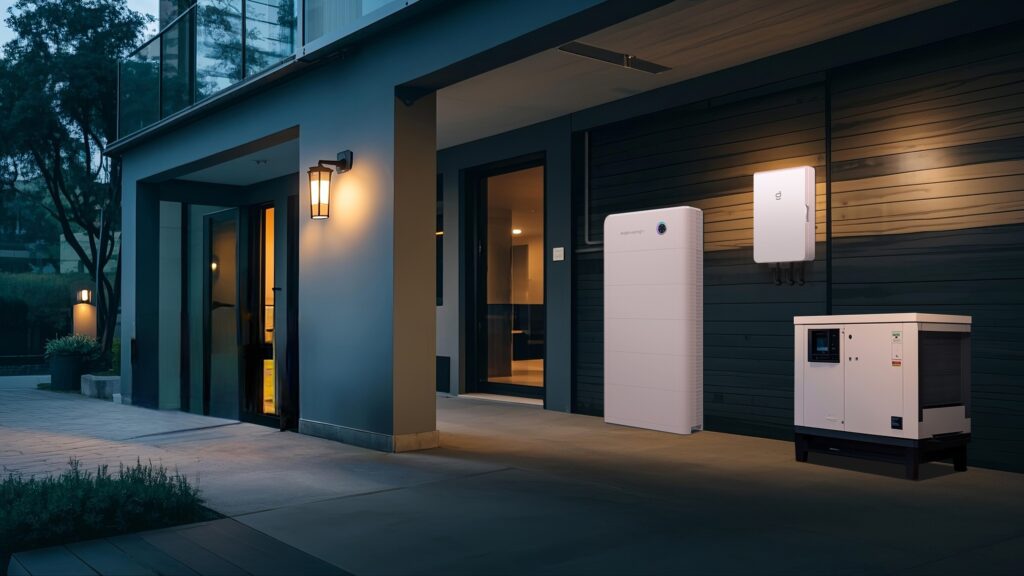
Not sure whether your evening use justifies a battery? Our consultants look at when your home uses power, not just how much. See how we design battery systems
Charge Your Battery at Midday, Use It at Night
This is where the offer and a battery work together. The federal Energy Minister’s announcement said households can charge home batteries during the day for free under the offer, and RenewEconomy reported commentary that battery owners may gain the most. Here is how a typical day looks:
- Sunny days: your panels run the home and fill the battery, as they always have.
- Cloudy days: the battery tops up from the grid in the free window, so it still starts the evening full.
- Evenings: the home runs on stored power through the peak, instead of buying grid power at the plan’s higher rates.
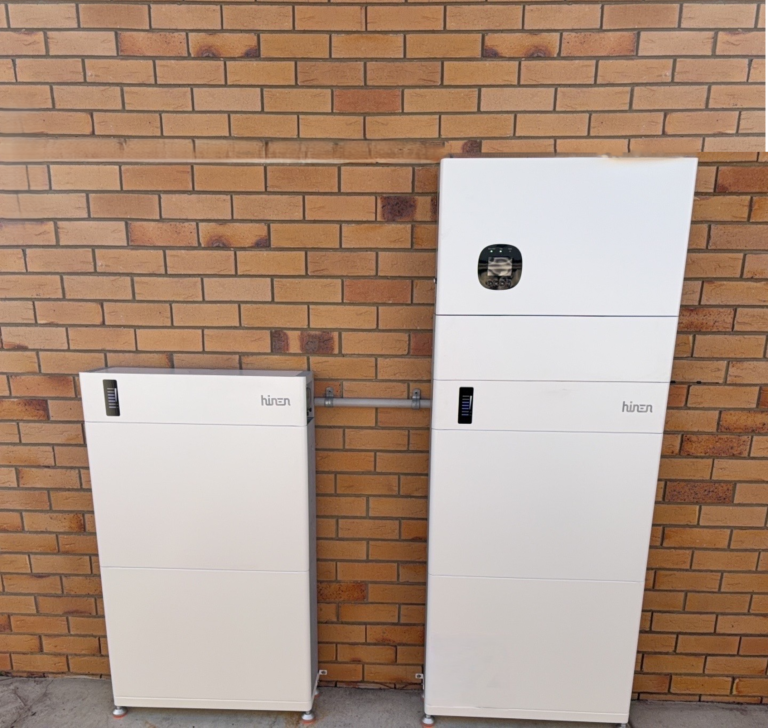
A worked example (swap in your own figures): say a household uses 5 kWh in the free window and has a Hinen B14400 with 13.68 kWh of usable capacity. Charging it from empty in the window plus that 5 kWh comes to about 18.7 kWh, inside the 24 kWh free threshold. That stored 13.68 kWh then covers evening use that would otherwise be bought at peak.
To make it work, you need to be on a retailer’s Solar Sharer Offer and have the battery set to charge from the grid during the window. Use above 24 kWh in the window is charged at the plan’s reasonable usage rate.
Solar Sharer Offer vs a Battery: Side by Side
| Setup | Middle of the day | Evening peak | Tends to suit |
|---|---|---|---|
| SSO, no solar | First 24 kWh in the window is free; supply charge still applies | Bought from the grid at higher outside-window rates | People home during the day, or who can run big loads on timers |
| Solar, no battery | Panels cover much of it; the window helps only with use above solar output | Bought from the grid | Homes with low evening use |
| Solar, battery and the SSO | Panels and the free window charge the battery | Battery runs the home on stored power, so far less is bought at peak | Most households, especially those with high evening use |
Who the Offer Suits, and Who It Does Not
Energy Consumers Australia says the offer may be good value for households that can shift significant use to midday, while others may be better off on a standard flat-rate plan. In practice:
- Likely to suit: households without solar who are home during the day, and anyone who can put the dishwasher, washing machine, hot water or EV charging on a timer.
- Less likely to suit on its own: households out all day and homes with heavy evening use for cooking, heating and cooling, unless a battery carries that midday power into the evening. The AER also notes customers already on a competitive market offer may not see a lower bill.
How to Decide: A Quick Checklist
- Confirm you have a smart meter and note your current rates.
- Look at your usage by time of day. Your smart meter portal or bill shows how much falls in the free window versus the evening.
- Be honest about what you can shift. The dishwasher is easy. Cooking and heating usually are not.
- Compare the whole plan, not just the free hours. A plan with no free period but lower rates elsewhere may still come out ahead.
- Check your evening imports. If most of your grid use comes after 3pm, a battery lets you fill up at midday and use that power then.
Where a Battery Fits Now That Midday Power Is Free
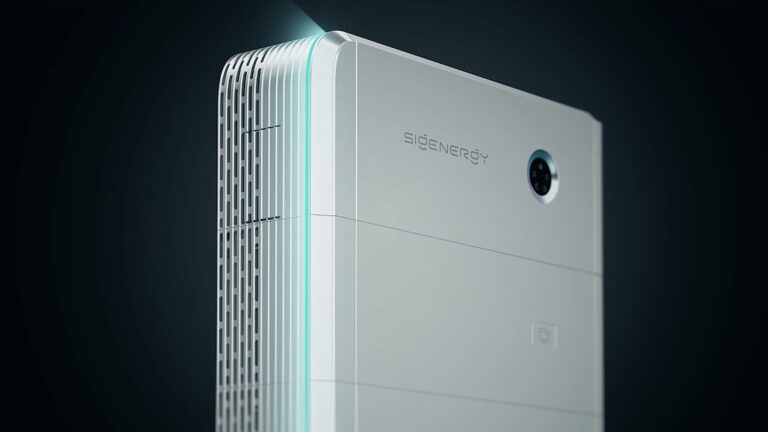
A battery is what turns three free hours into a cheaper evening, so size it to your evenings, not to a round number. As a guide to scale, a single Hinen B14400 holds 13.68 kWh of usable capacity and carries a 12 year warranty, while Sigenergy SigenStor stacks in modules of 8.76 kWh usable each, so capacity can be matched more closely to your use. The size of your rooftop solar system sets how much daytime energy there is to store.
The federal battery rebate under the Cheaper Home Batteries Program is paid through small-scale technology certificates based on usable capacity, and the factor drops for installs from 1 January 2027. As at October 2026, one Hinen B14400 could attract up to about $3,700 this year versus about $3,100 from 1 January, and one SigenStor module up to about $2,350 versus about $1,950. These are upper bounds, subject to eligibility, paid through the federal program rather than by your installer. Our guide to the battery rebate step-down explains the dates.
Clean Power Australia has installed 5,000 batteries across NSW, QLD, ACT and SA, and our consultants start every battery design with the household’s usage data.
Common Questions
Can I get the Solar Sharer Offer if I already have solar?
Yes. The offer is open to residential customers with a smart meter in the eligible areas, with or without solar. Whether it pays depends on your evening grid use and the plan’s other rates.
Is the power in the window really free?
The first 24 kWh you use in the window each day is free. Use above that is charged at a “reasonable usage” rate, the daily supply charge still applies, and rates outside the window are higher, so the full plan cost is what matters.
Can my battery charge from the free power?
Yes, if you are on a retailer’s Solar Sharer Offer and your battery is set to charge from the grid during the window. The first 24 kWh you use in the window each day, including what goes into the battery, is free. Above that, the plan’s reasonable usage rate applies.
Will a battery keep my lights on in a blackout?
Only if the system is installed with a backup-capable setup, such as a gateway or backup circuit. Whether that covers the whole home or selected circuits depends on the system design, so ask at the quote stage.
If you want to know whether a battery, the Solar Sharer Offer or both makes sense for your home, a local consultant can run the numbers using your actual usage.
Sources
- AER, Solar Sharer Offer fact sheet, May 2026
- Energy Consumers Australia, Solar Sharer Offer: should consumers sign up, June 2026
- Minister for Climate Change and Energy, Solar Sharer Offer announcement
- ABC News, Solar Sharer free electricity scheme explainer, June 2026
- RenewEconomy, Solar Sharer is here, July 2026
- Clean Energy Regulator, Battery rebates are changing 1 May 2026