
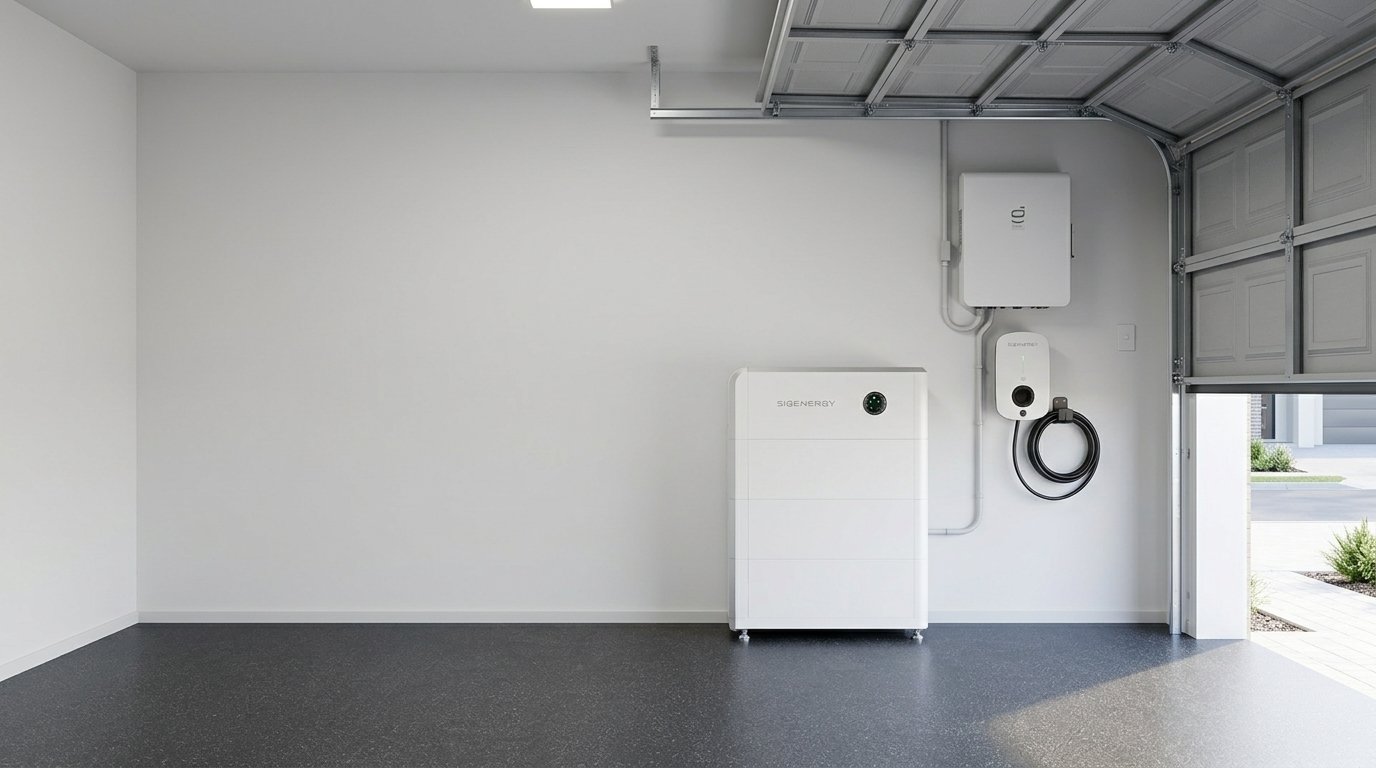
Charge the car on your own sunshine.
Charging an EV from the grid at peak rates is the expensive way to run a car. Charging it from your own roof is close to the cheapest transport fuel available in Australia. The difference is a charger that knows what your solar and battery are doing.
The three ways to charge
We focus on the Sigenergy range, because it integrates directly with the SigenStor battery rather than sitting alongside it. The right option depends on your supply, your car and how far you want to take it.
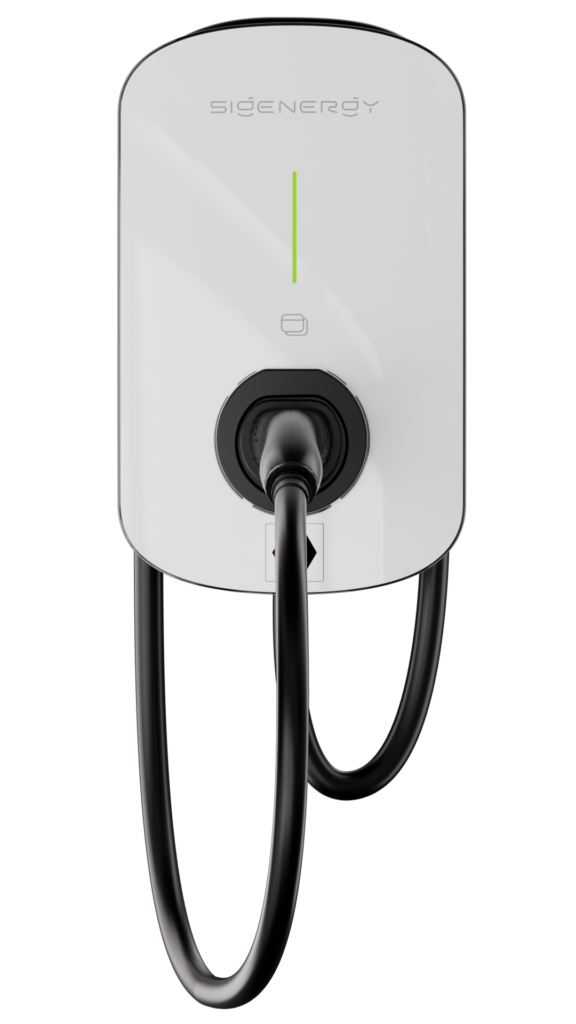
AC charging
The standard approach and the right answer for most homes. Power passes through the charger and the car's onboard converter does the work. Typically 7kW single-phase or up to 22kW three-phase, which is comfortably an overnight charge.
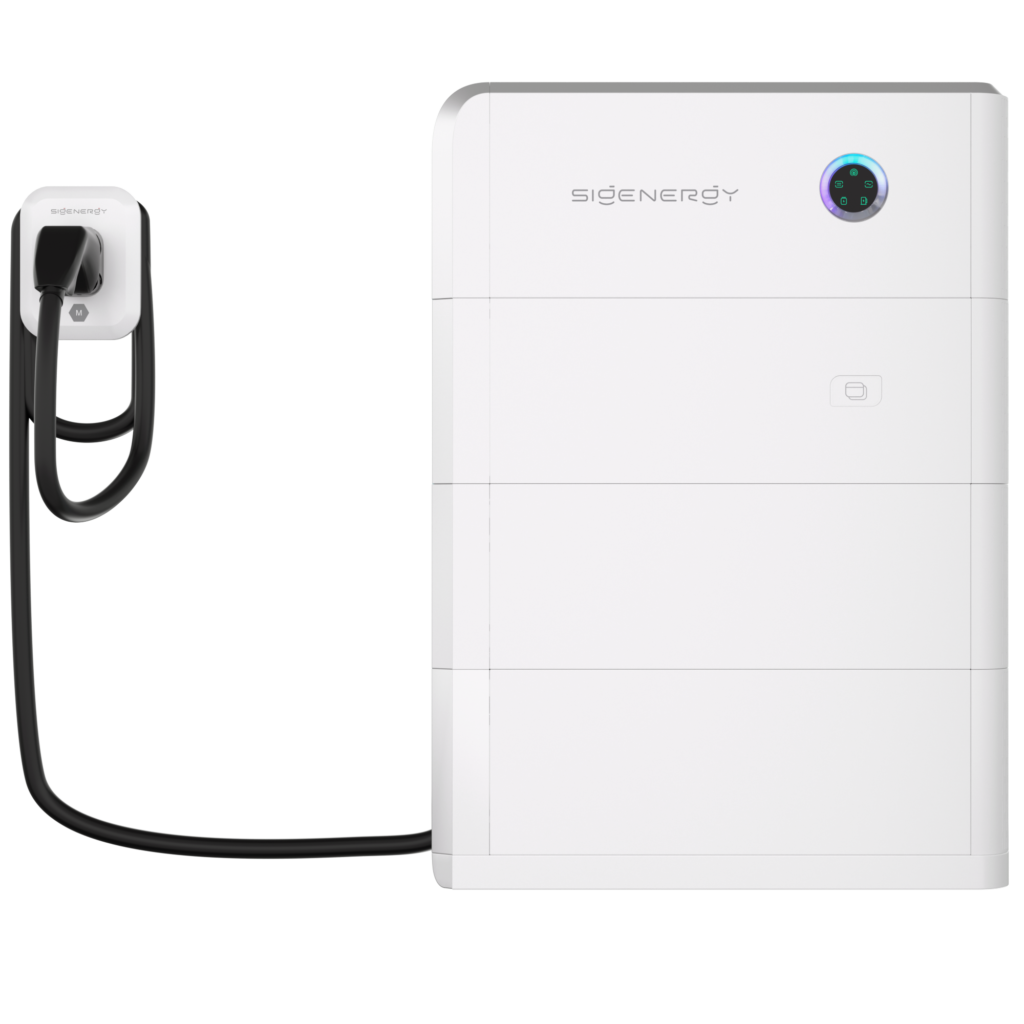
DC charging
Conversion happens in the charger rather than the car, which allows far higher rates and lets the charger draw straight from your battery and solar without a double conversion. Faster, and more efficient where you are charging from stored power.
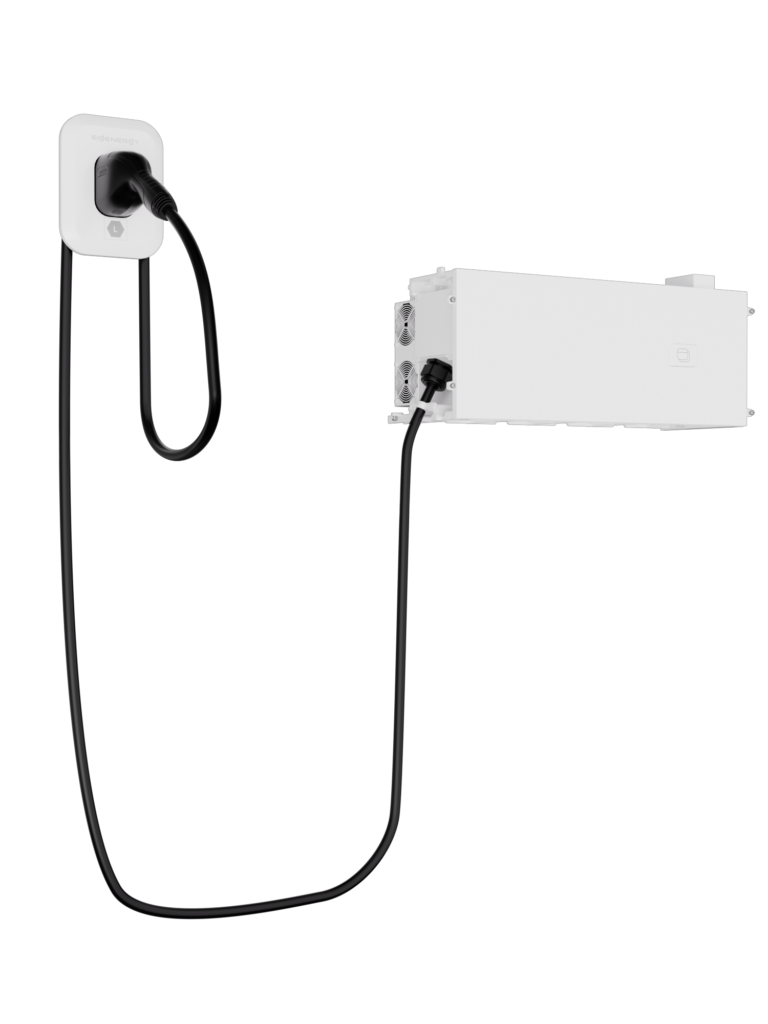
Bidirectional charging
The car becomes storage. Vehicle-to-load runs appliances or tools from the car; vehicle-to-home lets it back up the house. An EV battery is several times the size of a typical home battery, so the potential is significant. Availability depends on your vehicle supporting it.
Why it is worth doing properly
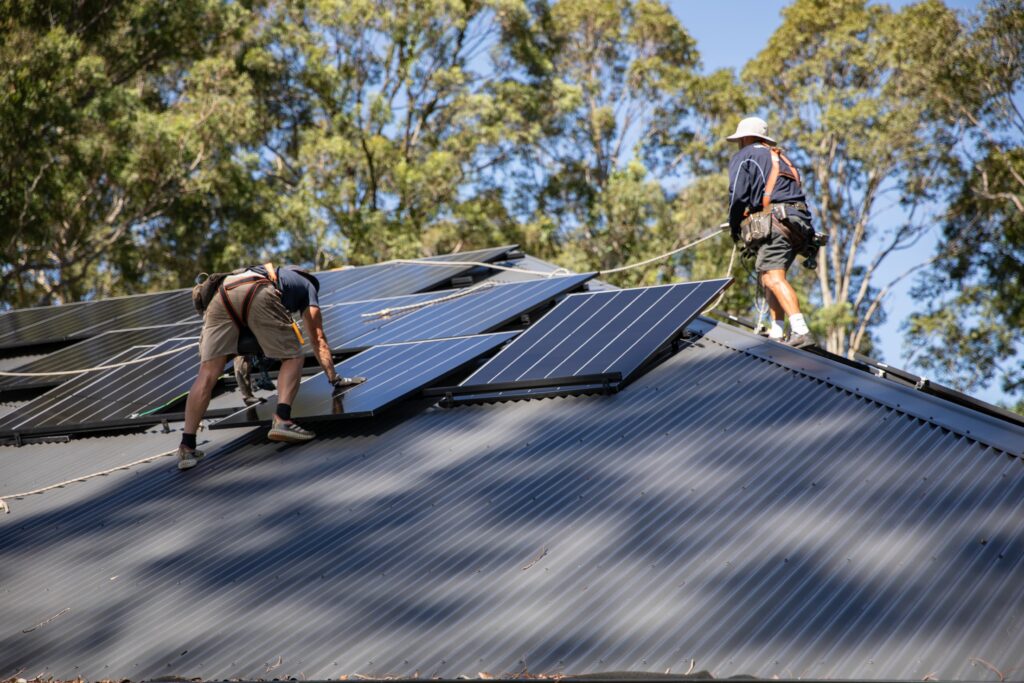
It charges from surplus, not from the grid
A charger that talks to your inverter can follow your generation, ramping up when the roof is producing and easing off when it is not. Over a year that gap is the difference between cheap motoring and simply moving the bill from the servo to your retailer.
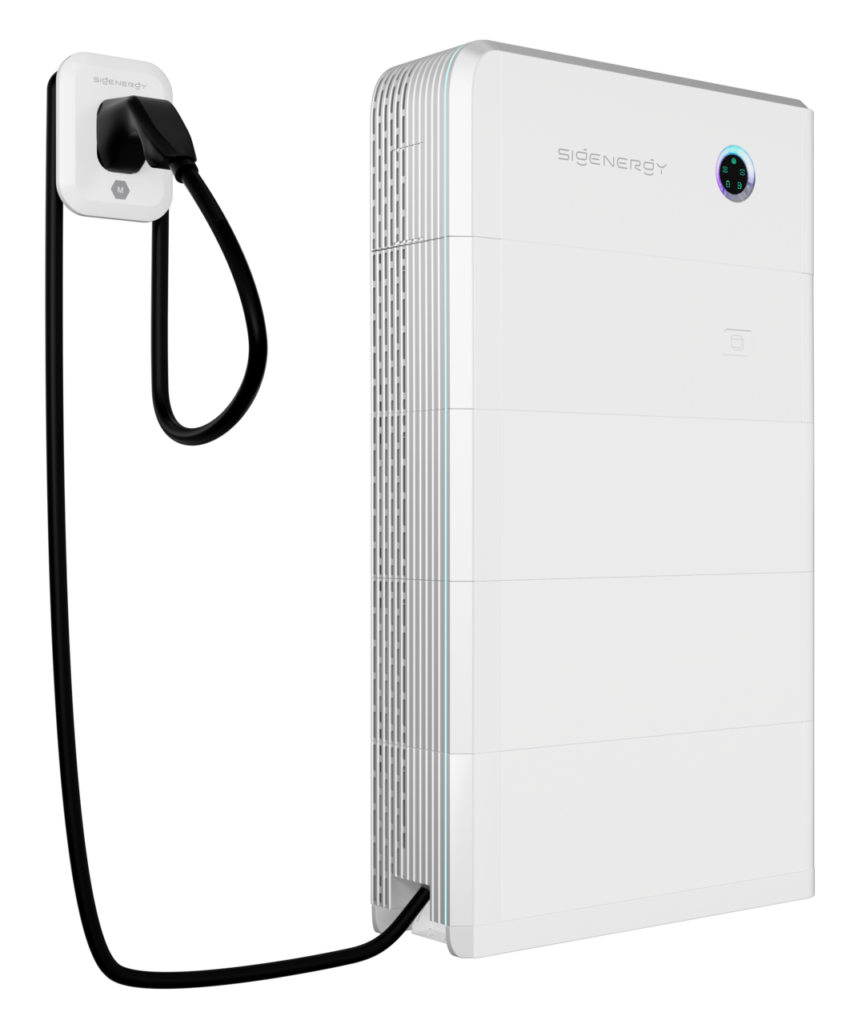
It is the largest load you will ever add
An EV can double a household's electricity consumption. Without proper load management, charging while the oven and air conditioning are running is how you find the limits of your supply. This is a design question, not an accessory.
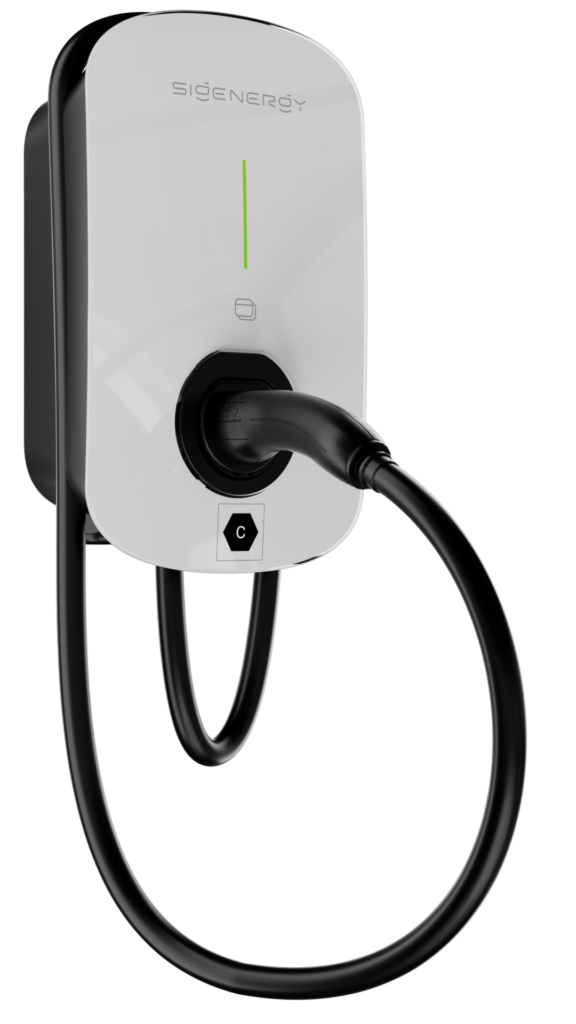
We factor it in even if you are not buying one yet
Sizing an array today without asking whether an EV is coming is how systems end up too small three years later. We ask, and we specify accordingly.
One ecosystem, one app
Where the charger, inverter and battery come from the same manufacturer, they coordinate rather than compete. Solar, storage and charging show up in a single app with one set of controls.
Certified and compliant
Dedicated circuit, correct protection, and a certificate of compliance. A charger on an extension lead is a genuine fire risk and insurers know it.
One warranty path
Solar, battery and charger from the same installer. Nobody blaming the other party when something misbehaves.
How it works
-
Check the supply
We confirm switchboard capacity, available circuit space, and whether your connection supports the charging rate you want. Before quoting, not on install day.
-
Install and certify
Dedicated circuit, correct protection, charger sited where the cable actually reaches, and a compliance certificate issued.
-
Set the charging logic
We configure it to follow your solar surplus or your off-peak window, depending on your tariff and driving pattern, and show you how to change it.
Still weighing it up?
Frequently asked questions
What does it actually cost to charge at home?
It depends entirely on where the power comes from. Charging from your own solar surplus costs you the feed-in tariff you gave up, which is a few cents a kWh. Charging from the grid at peak costs several times that. The charger is what determines which of those you are doing, which is why an integrated one pays for itself.
Do I need solar to install a charger?
No, and plenty of customers install one first. But charging from the grid at peak rates removes most of the running-cost advantage of an EV, so pairing them is where the saving actually lives.
AC or DC: which do I need?
AC suits most households: overnight charging at 7kW adds far more range than a typical day's driving. DC is worth considering if you charge largely from stored power, or you need speed. We will tell you if the extra cost is not justified for how you drive.
What is bidirectional charging?
Power flowing both ways. Your car can run appliances, or back up the house during an outage. An EV battery is several times the size of a typical home battery, so it is a serious amount of storage. Both the car and the charger have to support it, and not every vehicle sold here does yet.
Will my switchboard handle it?
Many will. Older boards, or homes already running ducted air conditioning and induction cooking, sometimes need an upgrade. We check before quoting so it is priced in rather than discovered later.
Can it charge only from excess solar?
Yes. Solar-following modes modulate the charge rate to match your surplus. On a good day the car charges entirely on generation that would otherwise have been exported for a few cents.
What if I change cars?
Type 2 connectors are the Australian standard and work across effectively every EV sold here. Changing cars does not mean changing chargers.
What our customers say


Ready to see what solar and battery could do for your place?
Tell us a little about your home and a local consultant will call you back. No obligation, no pressure.
Prefer to talk? Call 02 8311 7338.