How to Compare Battery Quotes: 8 Checks Before You Sign
On 26 October the Clean Energy Regulator published its latest compliance update. Two installers were banned from the battery and solar scheme, one company was permanently suspended, and an installer was fined $10,000 for false statements. The regulator’s chair said there was no systemic fraud, but his message was blunt: “When we see problems, we act.”
If you are about to compare battery quotes, it lands at a busy time. The federal battery discount steps down on 1 January, and the program’s future has become a political debate, as we covered in our rebate update. That can mean quotes written in a hurry. This guide gives you eight checks that separate a good quote from a risky one.
The Short Answer: How Do You Compare Battery Quotes?
Start with what the battery is for. A home battery lets you charge up at midday, from your own solar or from free or cheap grid power such as the Solar Sharer Offer window, and store that power for the evening, when you need it and rates are highest. A good quote is built around that job: how much you use after sunset, and how much midday power you have to store.
Then compare like with like. Look at usable capacity rather than the badge size, the price after the federal discount (and how that discount was worked out), whether backup is included, who installs it, and what the warranty is. The cheapest number on the page is not always the cheapest battery.
Eight Checks Before You Sign
- Usable capacity, not just rated capacity. The federal discount is calculated on usable capacity, according to the Clean Energy Regulator. A Hinen B14400 is rated at 14.4 kWh, for example, and has 13.68 kWh usable. Make sure every quote states the usable figure.
- The federal discount, shown and explained. The quote should show the discount as a separate line and how it was calculated. It comes from the federal scheme, not from the installer, so be wary of anyone presenting it as their own special offer.
- Sized to your evenings, not to the rebate. Ask how the size was chosen. A good answer refers to your bills and evening usage. Our battery size guide explains how to work it out.
- Backup, in writing. Not every battery keeps the lights on in a blackout. If you want backup, the quote should list the gateway or backup circuit and say whether it covers the whole home or selected circuits.
- VPP capability. To qualify for the discount, the battery must be able to join a virtual power plant. Joining one is a separate choice, so check whether the quote ties you to a particular program.
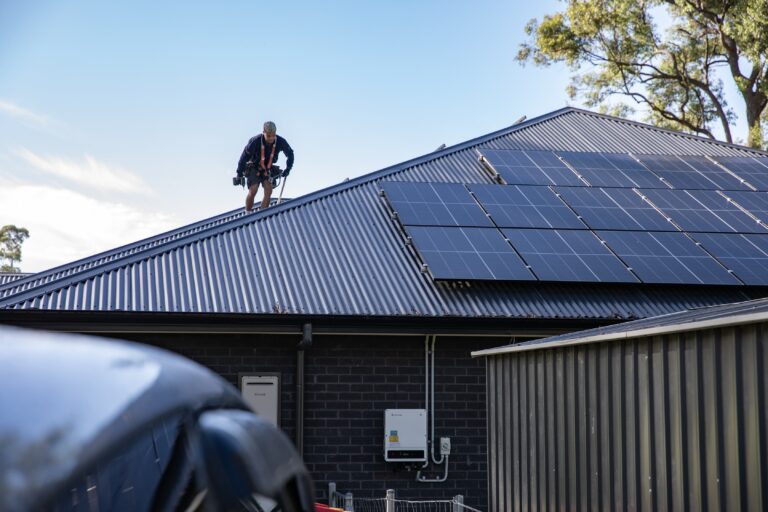
- Who installs it. The installer must be SAA accredited with a battery endorsement, which is a condition of the federal discount. Also check whether the seller is a New Energy Tech Consumer Code (NETCC) Approved Seller.
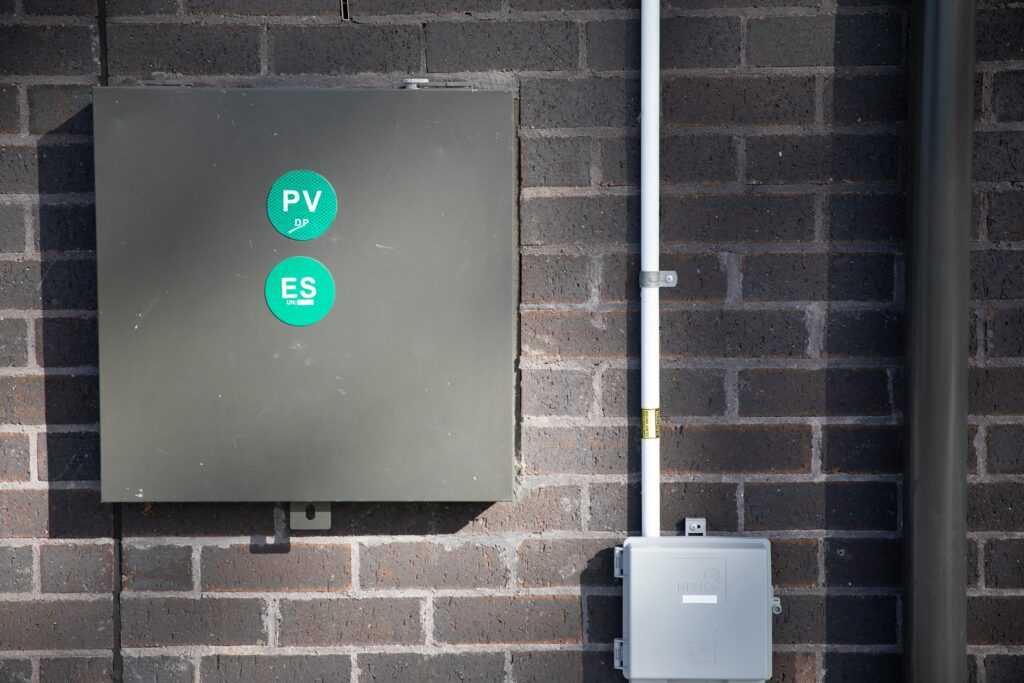
- Labelling and paperwork. Ask how backed-up circuits and the battery will be labelled, and confirm you will receive an electrical safety certificate. Missing safety certificates are one of the common issues the regulator lists.
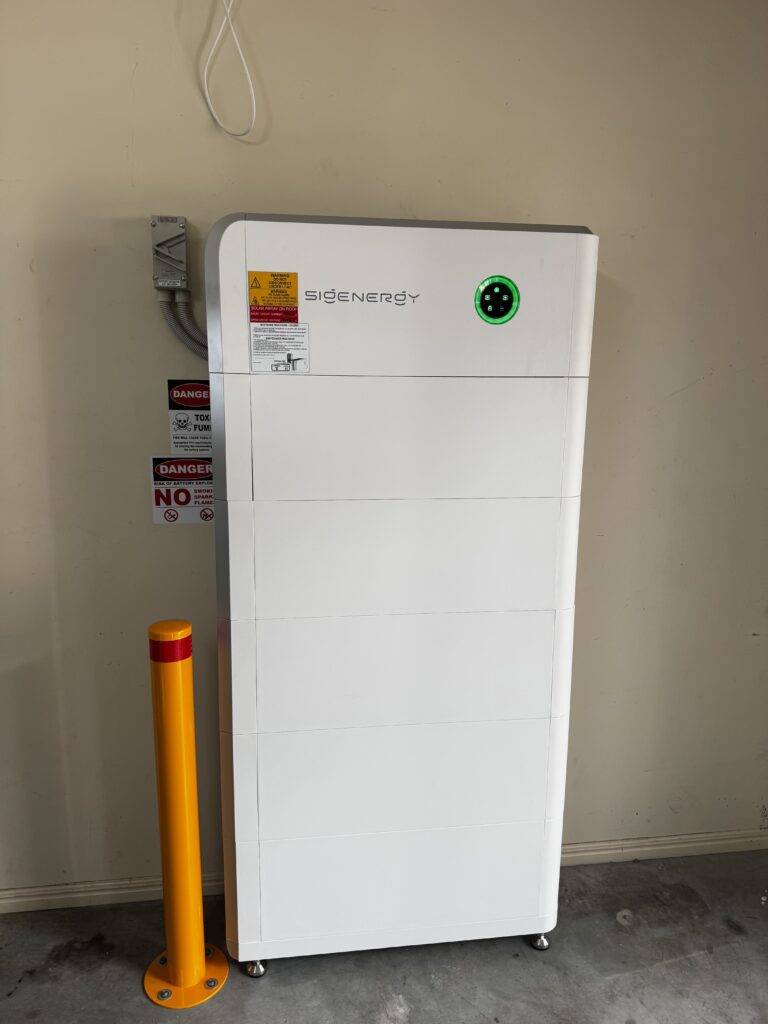
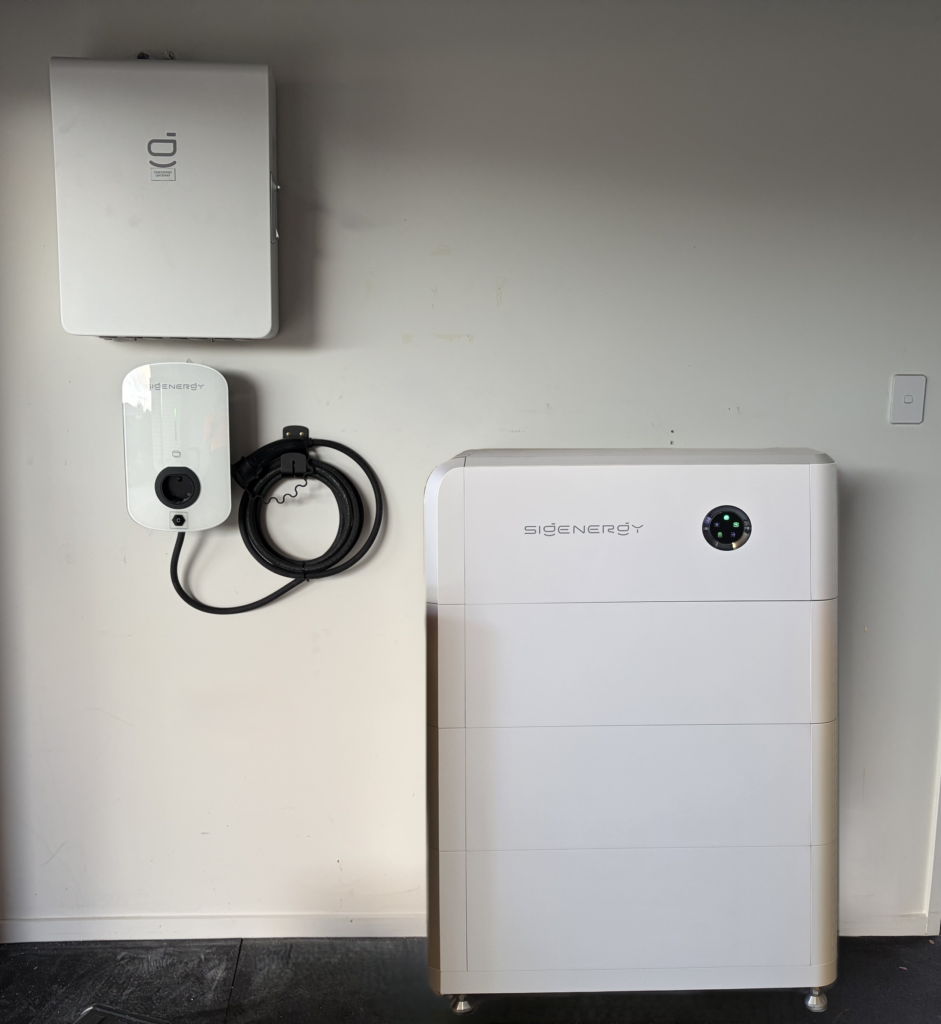
- The warranty headline. Sigenergy SigenStor comes with a 10 year warranty and the Hinen B14400 with a 12 year warranty. Ask who you call if something goes wrong, and whether they are local.
What the Regulator Found When It Inspected Batteries
The Clean Energy Regulator inspected 846 battery installations that received certificates, as at February 2026. It rated 0.9% unsafe and 62.8% substandard. The good news is that none of the problems were with the batteries themselves. They were installation details.
The most common fault was labelling: missing or incorrect warning labels at the switchboard, unclear labelling of backed-up circuits and missing energy storage signs for emergency services. Wiring issues such as incorrectly set up safety switches came next. None of that shows up in a price, which is why the questions in checks six and seven matter.
| Quote line | What good looks like | Red flag |
|---|---|---|
| Battery size | Usable kWh stated, matched to your evening use | Only the rated size, or one size for every home |
| Federal discount | Separate line, calculated on usable capacity | Presented as the installer’s own discount |
| Backup | Gateway or backup circuit listed, coverage stated | Backup implied but not itemised |
| Installer | SAA accredited with battery endorsement | No name or accreditation given |
| Compliance | Labelling and electrical safety certificate included | No mention of either |
Want a second opinion on a quote you already have? Our consultants will go through it line by line. Book a free consultation
What the Federal Discount Is Worth Before and After 1 January
The federal battery rebate under the Cheaper Home Batteries Program pays small-scale technology certificates on usable capacity. The factor is applied in full for the first 14 kWh, at 60% from 14 to 28 kWh and at 15% from 28 to 50 kWh. It is 6.8 for batteries installed by 31 December 2026 and drops to 5.7 from 1 January 2027.
| Battery (usable) | Installed by 31 Dec 2026 | Installed from 1 Jan 2027 |
|---|---|---|
| Hinen B14400 (13.68 kWh) | Up to about $3,700 | Up to about $3,100 |
| SigenStor, 2 modules (17.52 kWh) | Up to about $4,350 | Up to about $3,650 |
| SigenStor, 3 modules (26.28 kWh) | Up to about $5,800 | Up to about $4,850 |
These are upper bounds as at November 2026, subject to eligibility, using the $40 clearing house price. Certificates usually trade a little below that, so the discount on a real quote may be slightly lower. One battery can claim per premises, and capacity added later to a battery that has already claimed is not eligible, so it pays to get the size right the first time. The step-down is fixed, and the program’s future beyond that is not guaranteed, so if a battery suits your home, it makes sense to lock in this year’s factor while you can.
How We Quote a Battery
Every Clean Power Australia quote starts with your bills and how you use power after dark. You get the usable capacity, the federal discount on its own line, any backup gateway itemised, and the warranty headline in writing. We are a NETCC Approved Seller, installs are done by local SAA accredited installers with battery endorsements, and we handle the certificate paperwork.
We install the Sigenergy SigenStor and the Hinen B14400, and have completed more than 10,000 installs across NSW, QLD, ACT and SA since 2017. You can read what customers say in our customer reviews, and how we stand behind the work in our commitment.
Common Questions
How many battery quotes should I get?
Two or three is plenty if you compare them on the same basis. More than that tends to add confusion rather than clarity, especially if each one is sized differently.
Is a cheaper battery quote always worse?
Not always. But if one quote is much cheaper, check the usable capacity, whether backup is included and who installs it. Gaps in those three usually explain the difference.
Does the federal discount come off the quote?
Usually, yes. The certificates are typically assigned to the installer, who takes their value off your price. The quote should show this as its own line.
Can I add more battery capacity later?
You can, but capacity added to a battery that has already claimed the federal discount is not eligible for more certificates. Size it for your evenings from the start.
If you have a quote on the table, or want one to compare against, a local consultant can walk you through it before the January step-down.
Sources
- Clean Energy Regulator, Solar industry under compliance spotlight in latest quarterly update (26 October 2026)
- Clean Energy Regulator, Solar battery inspection results report (2026)
- Clean Energy Regulator, Solar batteries (updated 29 October 2026)
- energy.gov.au, Batteries
- energy.gov.au, Solar Sharer Offer