How to Add a Battery to Existing Solar Before the Rebate Drops
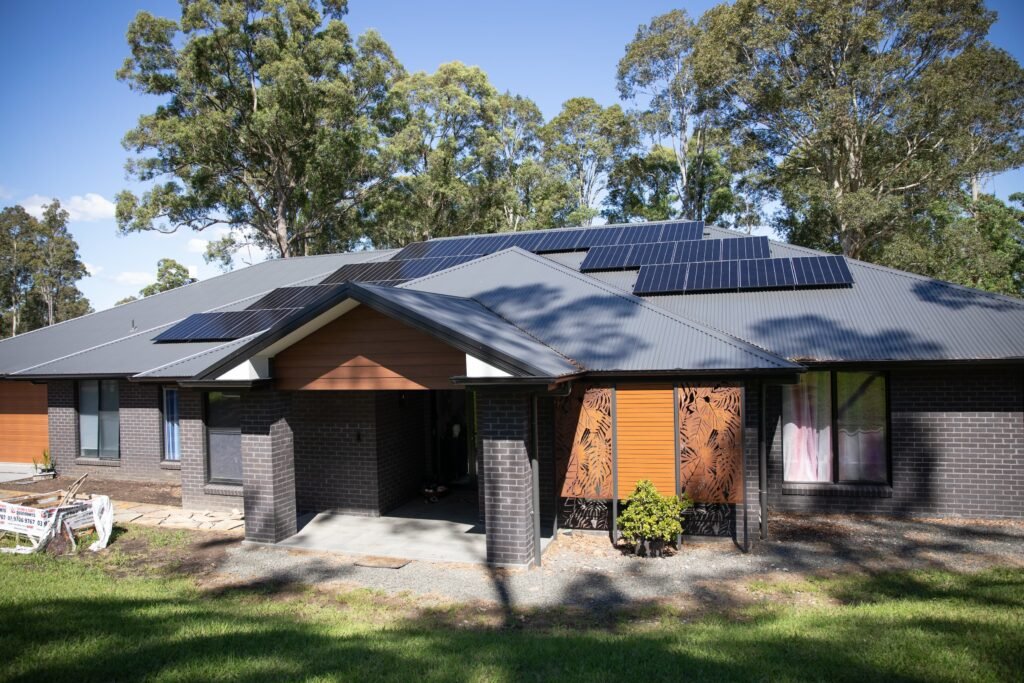
The east coast grid now has 3.9 million rooftop solar systems, but only around 484,000 batteries had been installed under the federal battery program by the end of September, according to AEMO’s latest quarterly report. That leaves millions of solar homes still exporting their best power at midday and buying it back at night.
If that is you, the good news is you can usually add a battery to existing solar without starting again. This guide covers the two ways to do it, the five things to check first, and why installing before 1 January 2027 matters for the federal discount.
Can You Add a Battery to Existing Solar?
Yes. Most homes can add a battery to existing solar and keep their panels. The reason to do it is simple: a battery lets you charge up at midday, from your own solar or from free or cheap grid power such as the Solar Sharer Offer window, then use that stored power in the evening, when you need it most and electricity is at its most expensive.
Without one, your system sends its surplus to the grid for a small feed-in credit, and you pay peak rates after sunset. AEMO’s data shows homes with solar and a home battery drew around three quarters less grid power between 4pm and 9pm than solar-only homes over July to September 2026.
The Two Ways to Add a Battery
There are two standard setups, and the right one depends mostly on your current inverter. The federal government’s guide to inverters explains both.
| Setup | How it works | Usually suits |
|---|---|---|
| AC-coupled | Your solar inverter stays. A separate battery inverter is added and the two connect on the AC side. | Newer inverters in good health, and microinverter systems |
| Hybrid (DC-coupled) | One hybrid inverter replaces your old one and runs both the panels and the battery. | Inverters near the end of their life, or when you are adding panels too |
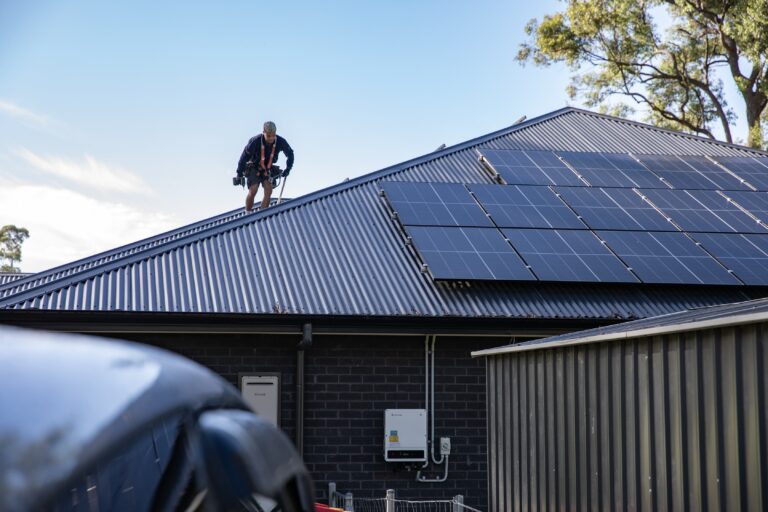
Neither is better in every case. Keeping a healthy inverter avoids paying to replace working equipment, while a hybrid makes sense if your inverter is ageing anyway. Note that a hybrid inverter cannot be connected to a microinverter system, so those homes go AC-coupled.
Five Things to Check Before Adding a Battery to Existing Solar
- Inverter age. String inverters typically last 10 to 15 years, according to energy.gov.au, so they often need replacing well before the panels. If yours is past ten years, a hybrid upgrade may be the smarter spend.
- VPP capability. To claim the federal discount, the battery must connect to an inverter that can join a virtual power plant. An existing hybrid inverter must be on the approved list now, or have been when your solar was commissioned, or it must be replaced.
- Enough solar to fill it. An older 2 or 3 kW system may not have much left over after daytime use. If you are on a Solar Sharer plan, free midday grid power can top up the gap, or you can add panels at the same time.
- Switchboard and location. The battery must meet the Australian battery installation standard (AS/NZS 5139), which affects where it can go. Older switchboards sometimes need work, which is checked as part of the design.
- Backup and your feed-in tariff. A battery only keeps the lights on in a blackout with a backup-capable setup such as a gateway. And if you are on an older premium feed-in tariff, ask your retailer whether changing your system affects it before you sign anything.
Not sure whether your inverter can stay? Our consultants check your inverter and bills, then tell you which setup suits your home. See how we design solar batteries
What the Federal Discount Is Worth Before and After 1 January
The federal battery rebate under the Cheaper Home Batteries Program works through small-scale technology certificates (STCs). The Clean Energy Regulator calculates them on usable capacity: 100% of the factor for the first 14 kWh, 60% from 14 to 28 kWh and 15% from 28 to 50 kWh. The factor is 6.8 for batteries installed by 31 December 2026 and falls to 5.7 from 1 January 2027.
| Battery (usable) | Installed by 31 Dec 2026 | Installed from 1 Jan 2027 |
|---|---|---|
| Hinen B14400 (13.68 kWh) | Up to about $3,700 | Up to about $3,100 |
| SigenStor, 2 modules (17.52 kWh) | Up to about $4,350 | Up to about $3,650 |
| SigenStor, 3 modules (26.28 kWh) | Up to about $5,800 | Up to about $4,850 |
These are upper bounds, as at October 2026 and subject to eligibility, using the $40 clearing house price. Certificates usually trade slightly below that, so the discount on your quote may be a little lower. The discount comes from the federal scheme, not from any installer. We explain the January change in more detail in our rebate step-down guide.
One rule catches people out: each premises can claim for one battery, and capacity added later to a battery that has already claimed is not eligible. If you think you will want more storage, size it properly the first time.
How We Add a Battery to an Existing System
Clean Power Australia has installed more than 5,000 batteries across NSW, QLD, ACT and SA. If you already have solar, the process is straightforward for you: we check your inverter, switchboard and bills, model your evening usage, then recommend a setup.
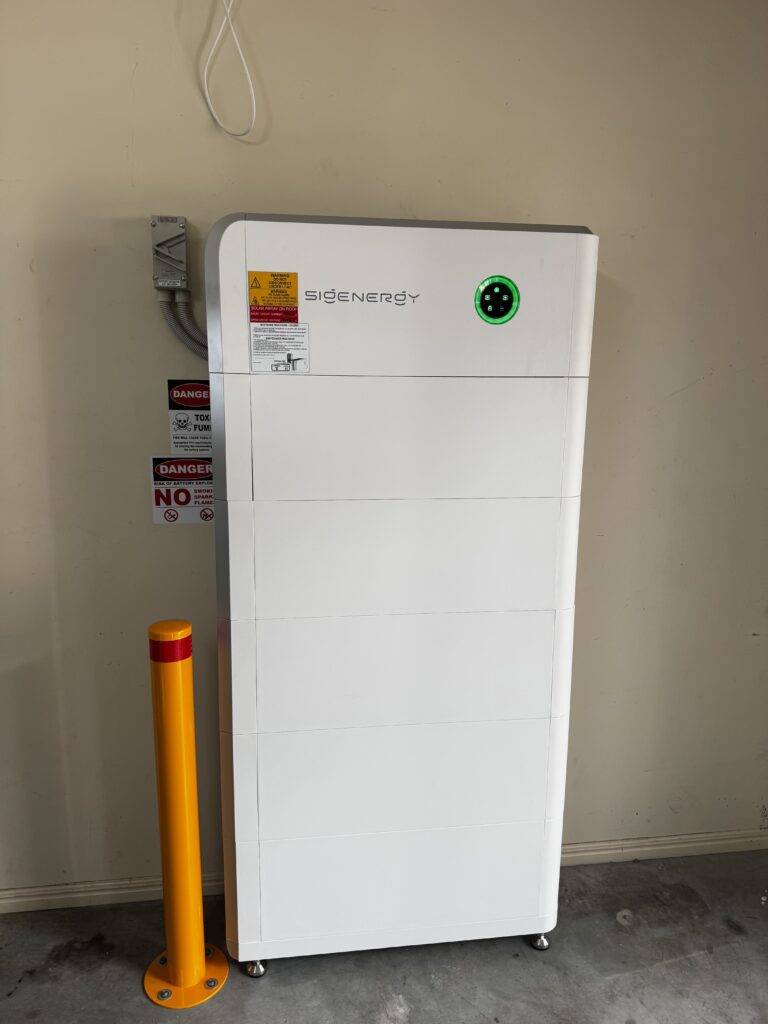
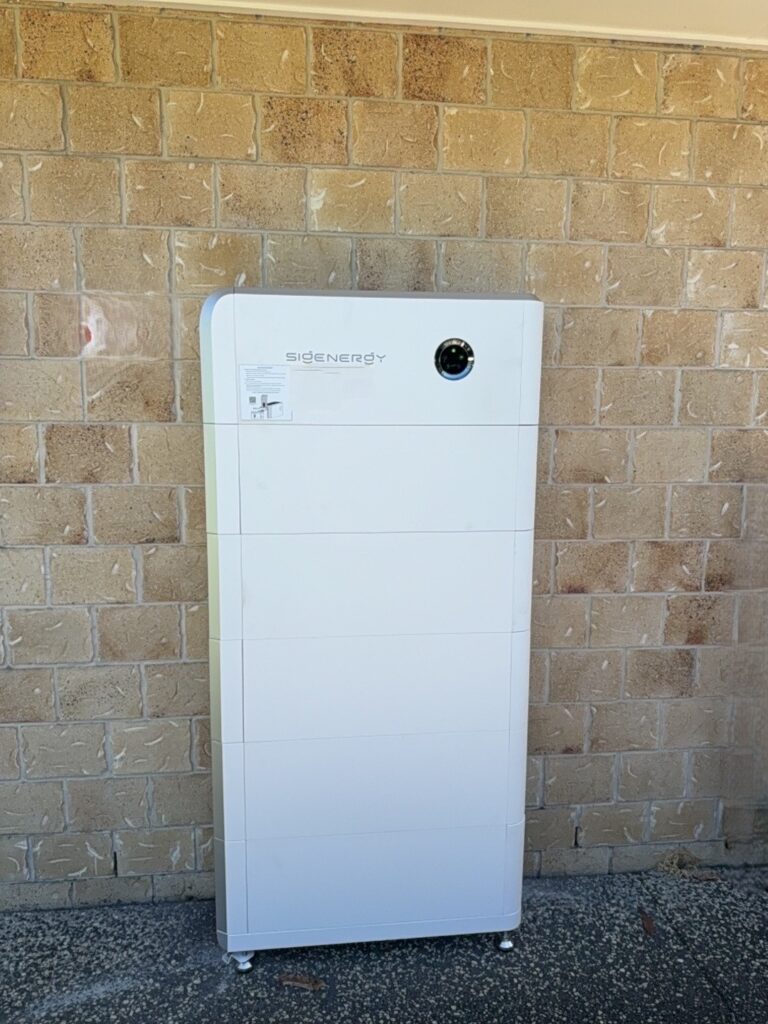
- Sigenergy SigenStor: modular, 8.76 kWh usable per module, one to six modules per controller, 10 year warranty. Backup through the Sigen Energy Gateway.
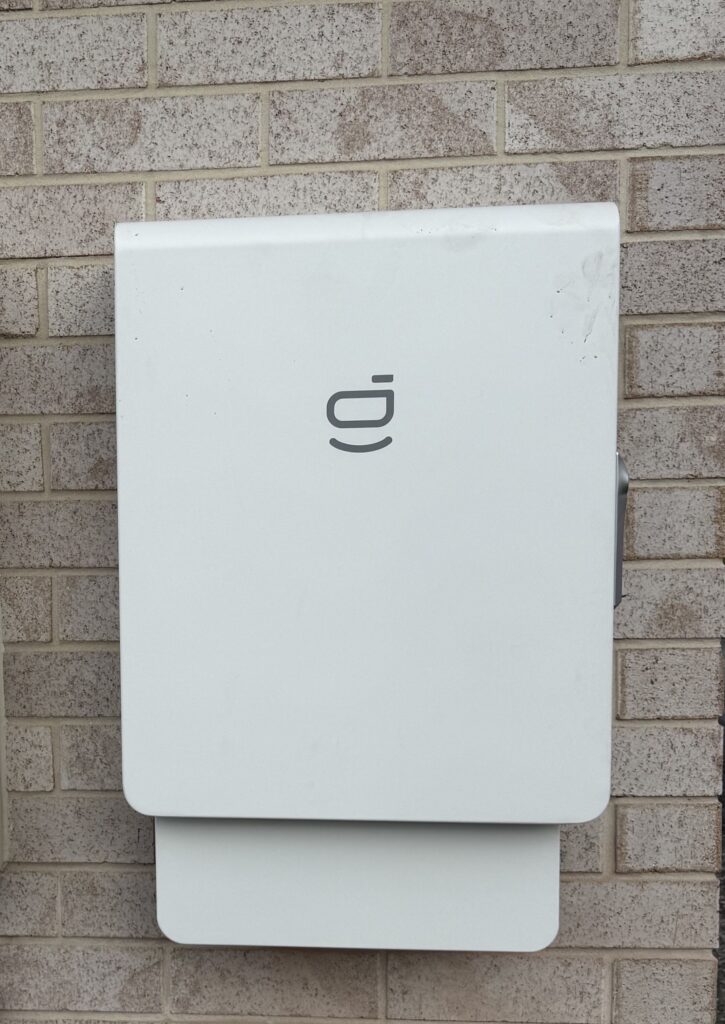
- Hinen B14400: 13.68 kWh usable in a single unit, 12 year warranty. Backup needs a separate gateway.
Installs are done by SAA accredited installers with a battery endorsement, which is also a condition of the federal discount, and we handle the STC paperwork for you. Most homes are installed in a day.
Common Questions
Do I need new solar panels to add a battery?
Usually not. Panels typically last 20 to 30 years, so they often have plenty of life left. The bigger question is whether your system makes enough surplus to fill the battery, which we work out from your bills.
Can I add a battery if I have microinverters?
Yes, using an AC-coupled battery with its own inverter. A hybrid inverter cannot be connected to a microinverter system.
Does my solar have to be on the approved list to get the discount?
No. Existing panels only need to meet state electrical safety rules. The battery must be on the approved battery list, and the inverter it connects to must be able to join a virtual power plant.
Can I add more battery capacity later?
You can, but capacity added to a battery that has already claimed the federal discount is not eligible for more certificates. That is why it pays to size the battery for your evenings from the start.
Your solar already does the hard work at midday. A local consultant can show you how to keep that power for the evening, and what it would cost before the January step-down.
Sources