Storm Season Is Here. Will Your Home Battery Backup Work?
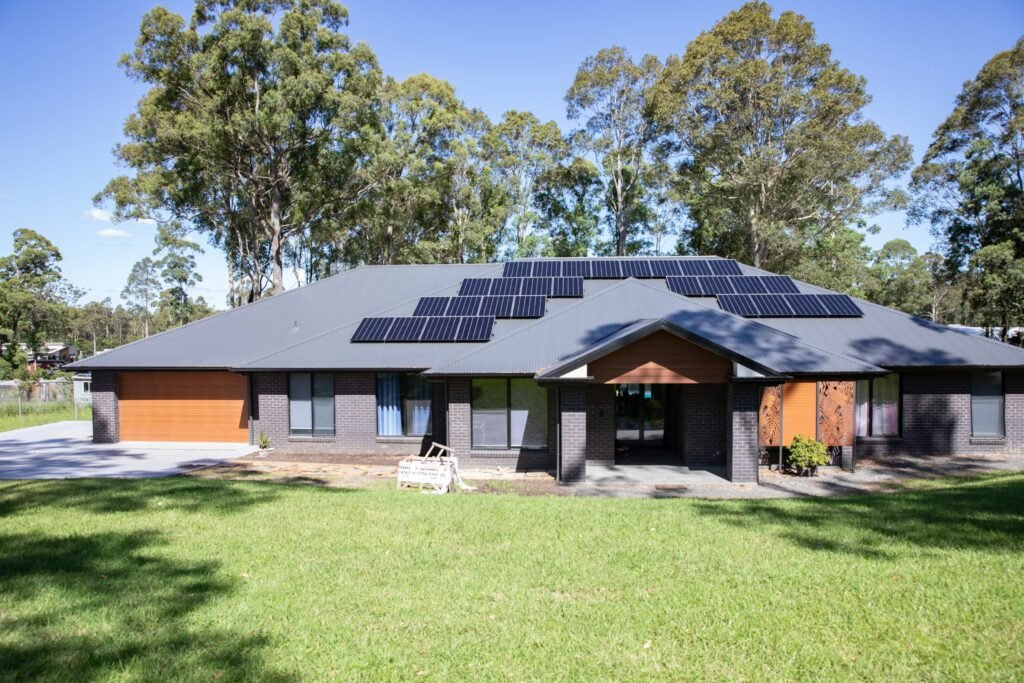
Storm season has started. The Bureau of Meteorology says the east coast, including southern Queensland, faces its highest risk of severe thunderstorms from October to December, with a strong El Niño and a hotter than usual spring and summer in the outlook. Storms bring fallen trees, damaged lines and blackouts.
That is usually when solar owners find out their panels go dark in a blackout too. This guide explains why, what home battery backup actually needs, how long a battery can keep the essentials running, and what to check before the next storm rolls in.
The Short Answer: Will a Home Battery Work in a Blackout?
First, why a battery is worth having at all. A home battery lets you charge up at midday, from your own solar or from free or cheap grid power such as the Solar Sharer window, and store that power for the evening, when you need it and rates are highest. That is what it does every day, storm or no storm.
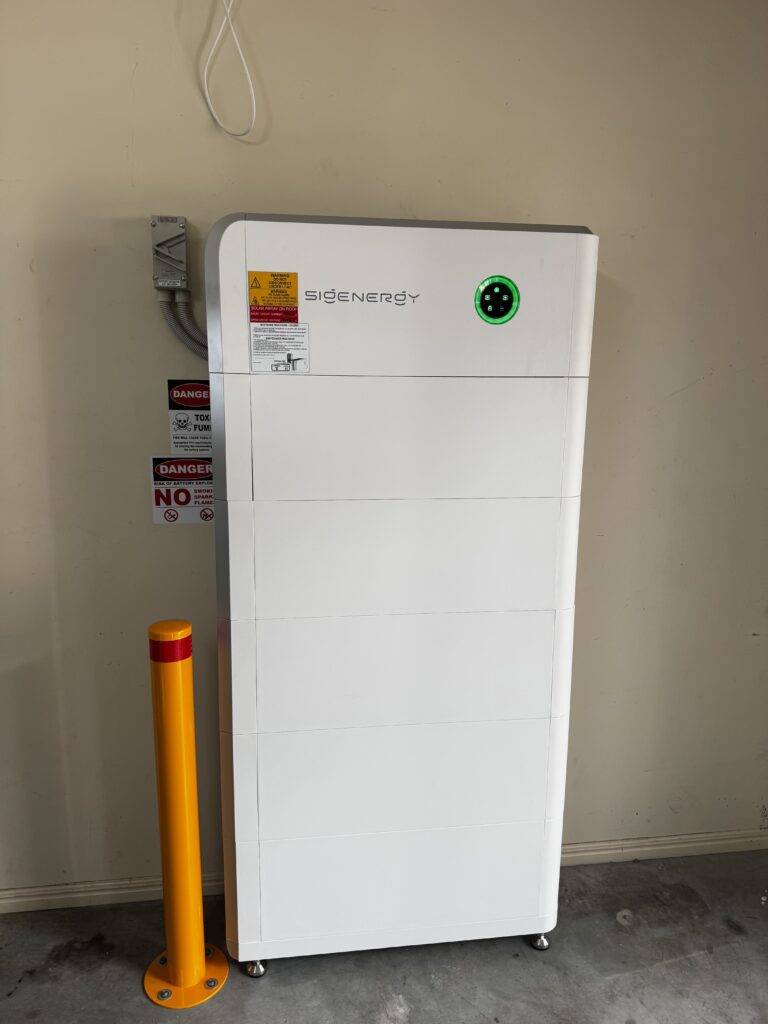
Blackout backup is a second job, and it needs the right setup. As the federal government’s battery guide puts it, a battery can provide back-up power during an outage, but it must be configured to do so, and not all battery systems can. With a backup-capable design, such as a battery paired with a backup gateway, your home keeps running on stored power when the grid drops out. Without one, the battery switches off with everything else.
Why Your Solar Switches Off When the Grid Goes Down
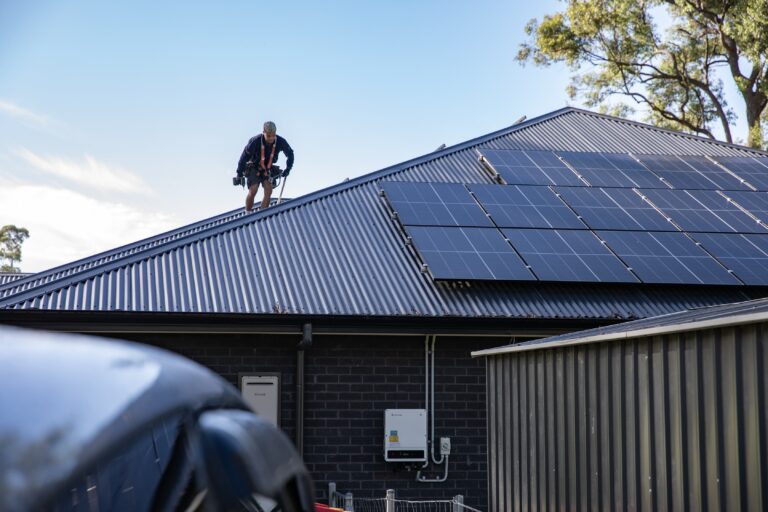
A grid-connected solar inverter shuts down when it detects an outage. This is a safety feature: it stops your system sending power into lines that crews may be working on. That is why very few solar-only systems give you any power in a blackout, even on a sunny day. We explain this in more detail in what happens to your solar in a blackout.
A backup-capable battery system gets around this by isolating your home from the grid first, then running your house as its own small island. Once it is islanded, solar can keep charging the battery during the day, which is how a well set up system can keep going through a multi-day outage if you are careful with usage.
Whole Home or Essential Circuits: What Backup Can Run
There are two broad ways to set up backup, and the right one depends on your switchboard, your loads and your budget.
| Backup setup | What it powers in a blackout | Usually suits |
|---|---|---|
| Essential circuits | Selected circuits only, such as the fridge, lights, wifi and a few power points | Smaller batteries, older switchboards, keeping costs down |
| Whole home | Every circuit, within the power limit of the gateway and inverter | Larger batteries and homes that want blackouts to feel like nothing happened |
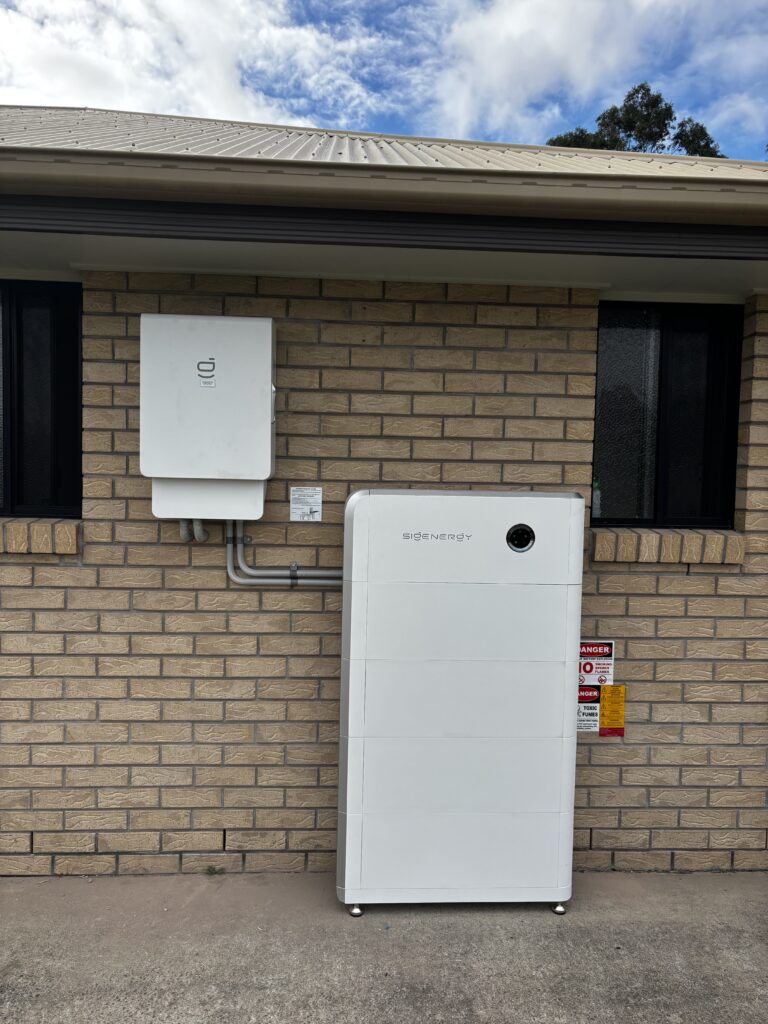
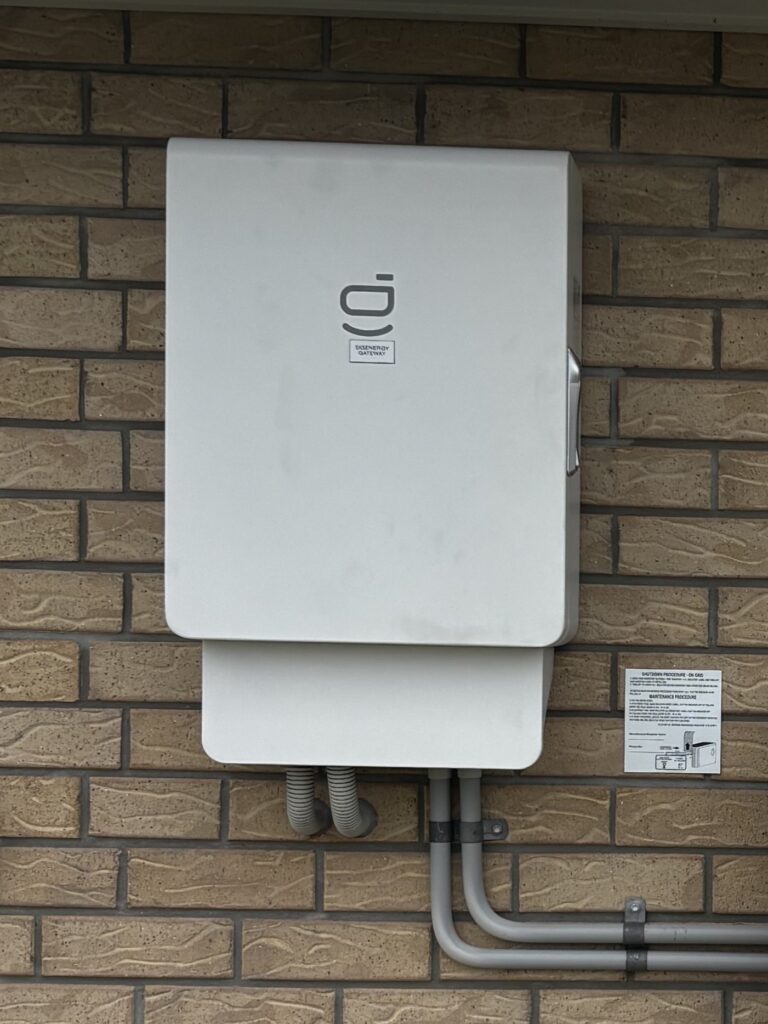
For Sigenergy systems, backup runs through the Sigen Energy Gateway. According to Sigenergy, its HomePro SP-F gateway supports 100 amp single-phase backup for the entire home, is designed for zero millisecond disruption on the home side when the grid fails, and can connect a generator for long outages. The Hinen B14400 also needs a separate gateway for backup. Whether your whole home can be backed up still depends on the system design.
How Long Will a Battery Last in a Blackout?
It depends on how much is stored when the power goes out and what you run. Here is a simple example, assuming the battery starts full and the house draws an average of 500 watts on essentials (fridge, freezer, lights, wifi, phone charging and a TV). That is 12 kWh a day.
| Battery | Usable capacity | Essentials at 500 W, from full |
|---|---|---|
| Hinen B14400 | 13.68 kWh | About 27 hours |
| SigenStor, 2 modules | 17.52 kWh | About 35 hours |
| SigenStor, 3 modules | 26.28 kWh | About 52 hours |
These figures ignore small conversion losses and any solar recharging, so treat them as a rough guide. Sunshine during the day can stretch them a long way. Big loads cut them short: a 3 kW air conditioner running for two hours uses 6 kWh on its own, and an electric oven or hot water system can drain a battery quickly.
Not sure whether your battery is set up for backup? We can check your system and tell you what it would take. See how Sigenergy backup works
Before the Next Storm: A Home Battery Backup Checklist
- Confirm backup is actually installed. Look for a backup gateway or backup circuit, or ask your installer. Not every battery is set up for it.
- Know which circuits are backed up. They should be labelled at the switchboard. Unclear labelling of backed-up circuits is one of the common faults the Clean Energy Regulator found in battery inspections.
- Keep a reserve. Ask whether your system can hold back some charge when a storm is forecast, so the battery is not empty when the grid drops out.
- Go easy on big loads. In an outage, run the fridge, lights and communications first, and leave the oven, dryer and ducted air conditioning off.
- Stay safe. Keep well clear of fallen powerlines and report them, switch off sensitive electronics, and keep a phone charged, since Energex notes the nbn may not work in a blackout.
How We Set Up Battery Backup
Backup is one of the first things we talk through on a battery consultation, especially in storm-prone parts of NSW and South East Queensland. We design it around your switchboard and the loads you cannot do without, then show you exactly which circuits stay on. Clean Power Australia has installed more than 5,000 batteries, using local SAA accredited installers.
- Sigenergy SigenStor: modular 8.76 kWh blocks, backup through the Sigen Energy Gateway, 10 year warranty.
- Hinen B14400: 13.68 kWh usable in one unit, backup with a separate gateway, 12 year warranty.
If you are adding backup this year, timing matters. Under the Cheaper Home Batteries Program, the federal battery rebate factor is 6.8 for batteries installed by 31 December 2026 and drops to 5.7 from 1 January 2027, according to the Clean Energy Regulator. That is as at November 2026 and subject to eligibility, and the discount comes from the federal scheme, not from any installer.
Common Questions
Does solar work in a blackout without a battery?
Almost never. A grid-connected inverter shuts down when it detects an outage, even on a sunny day. You need a backup-capable battery system, or a specific backup inverter setup, to keep power on.
Does a backup battery switch over instantly?
It depends on the system. Sigenergy says its gateway is designed for zero millisecond disruption on the home side, so most appliances will not notice. Other setups can have a short pause, which may reset clocks or computers.
Can battery backup run my air conditioner?
Possibly, if the gateway and inverter can supply enough power and the battery has enough stored. Air conditioning uses a lot of energy, so in a long outage it is usually better saved for the fridge and lights.
Does joining a virtual power plant affect my backup?
A virtual power plant can draw on part of your battery at times of high demand. Programs differ, so ask how much charge is kept in reserve for your home and whether you can increase it when storms are forecast.
A short chat with a local consultant will tell you whether your home can have backup, what it would cover and what it would cost.
Sources
- Bureau of Meteorology, Now is the time to Get Ready Queensland (14 October 2026)
- energy.gov.au, Batteries
- Sigenergy, Sigen Energy Gateway (Australia)
- Clean Energy Regulator, Solar battery inspection results report (2026)
- Energex, When the power goes out
- Clean Energy Regulator, Solar batteries (updated 29 October 2026)