Summer Is Here: Why Your Solar Feed-In Tariff Barely Pays
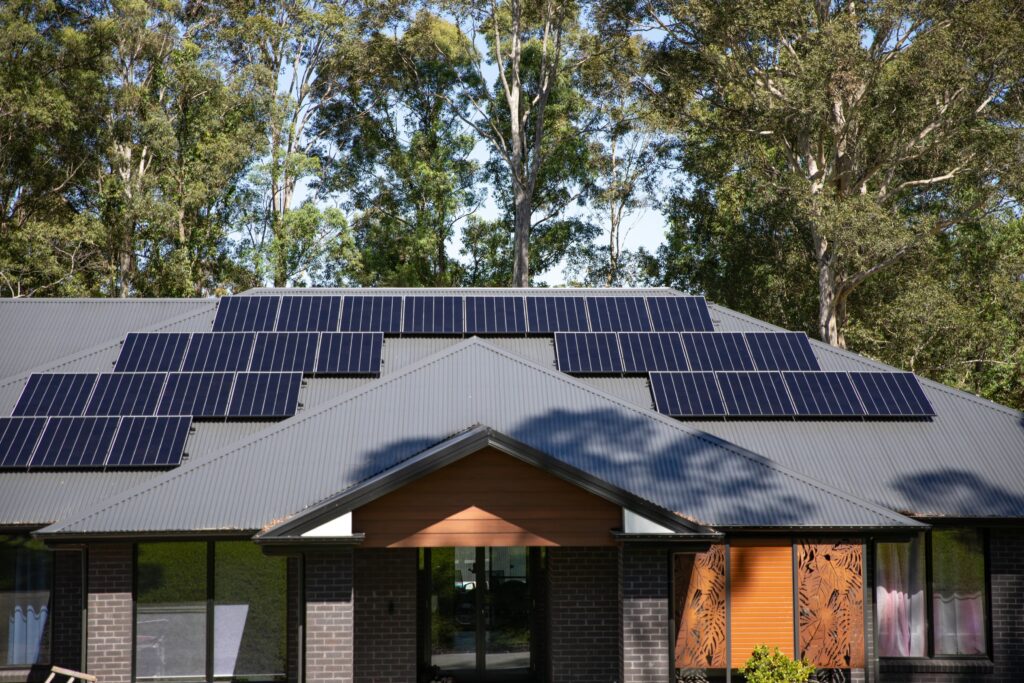
Summer is when rooftop solar shines. The days are long, the sun is high, and your panels make more power than at any other time of year. Yet the money you get for exporting that power keeps slipping. Under IPART’s 2026-27 benchmarks, solar exported in the middle of the day in NSW is worth as little as 3.1 cents per kWh.
This guide explains what your solar feed-in tariff is really worth this summer, why midday exports pay so little, and how to keep more of your own sunshine instead of giving it away.
The Short Answer: Why Is My Solar Feed-In Tariff So Low?
Because at midday almost every solar roof is exporting at once, so the grid has more power than it needs and pays very little for yours. In the evening the sun is gone, demand peaks, and power is worth several times more.
That gap is exactly why a battery pays its way. A battery lets you charge up at midday, from your own panels or from free or cheap grid power such as the Solar Sharer Offer window, and store that energy for the evening, when you need it and rates are highest. Instead of selling your solar for a few cents and buying it back at the peak, you keep it. See how a home battery stores your solar.
What Solar Exports Are Worth in 2026-27
Each year IPART, the NSW pricing regulator, publishes benchmarks for what exported solar is worth. For 2026-27 the all-day benchmark is 3.4 to 6.5 cents per kWh for a flat rate. The time-of-day benchmarks show how much the hour matters:
| NSW network | Midday export | Evening export |
|---|---|---|
| Ausgrid | 3.9 to 4c (10am to 3pm) | 17.2 to 18.7c (4pm to 9pm) |
| Endeavour Energy | 3.1 to 3.2c (10am to 2pm) | 16.9 to 19.9c (4pm to 8pm) |
| Essential Energy | 3.3 to 4.4c (10am to 3pm) | 26.6 to 33.3c (5pm to 8pm) |
Midday exports have also slipped. On the Ausgrid network the midday benchmark was 4.8 to 5.6 cents in 2025-26 and is 3.9 to 4 cents now. These are benchmarks, not rules: retailers are not required to pay them, and they can offer more, less or nothing at all. Queensland, the ACT and South Australia set feed-in tariffs differently, so check your own bill.
Why Summer Makes the Gap Bigger
Long summer days mean more solar, but most of the extra lands in the middle of the day, when it is worth least. Meanwhile summer evenings are when households run air conditioning, cook and charge devices, all in the most expensive hours.
There is a newer twist too. Since 1 July 2026, retailers in NSW, South East Queensland and SA have had to offer the Solar Sharer Offer, with the first 24 kWh used from 11am to 2pm free (12pm to 3pm in SA). When grid power itself is free at midday, the solar you export in that window is worth even less. The value is in using midday energy later. We covered this in what the Solar Sharer Offer means for batteries.
A Worked Example: Export It or Store It?
Here is a simple comparison for one summer day. The assumptions are for illustration only, so check your own bill for your actual rates.
- Assumptions: the home has 13 kWh of spare midday solar, the feed-in tariff is 4 cents per kWh, and the evening peak rate is 40 cents per kWh.
- Export it: 13 kWh at 4 cents earns about 52 cents.
- Store it: the same 13 kWh used between 4pm and bedtime avoids buying 13 kWh at 40 cents, about $5.20 of grid power, before battery losses.
Your result will depend on your usage, your tariff and how the battery is sized, so treat this as a way to read your own bill rather than a promise. The point is the ratio: on these assumptions, stored solar is worth about ten times exported solar.
Want this done with your real numbers? Send us a recent bill and we will show what your midday solar is earning now and what it could cover in the evening. See how we design batteries
Ways to Use More of Your Own Solar This Summer
Even without a battery, you can move some use into the sunny hours:
- Run the dishwasher, washing machine and pool pump between 10am and 3pm.
- Set an electric hot water system or heat pump to heat at midday.
- Pre-cool the house in the early afternoon, as we explain in running your air conditioner on solar.
- Charge an EV during the day when you can.
These all help, but they cannot shift dinner, lights and evening air conditioning. That is the gap a battery fills.
Turning Summer Solar Into Evening Power
A battery sized to your evening usage keeps your midday surplus for the hours that matter. If your solar is old or small, more panels may need to come first, and our team can check your existing solar system as part of the design.
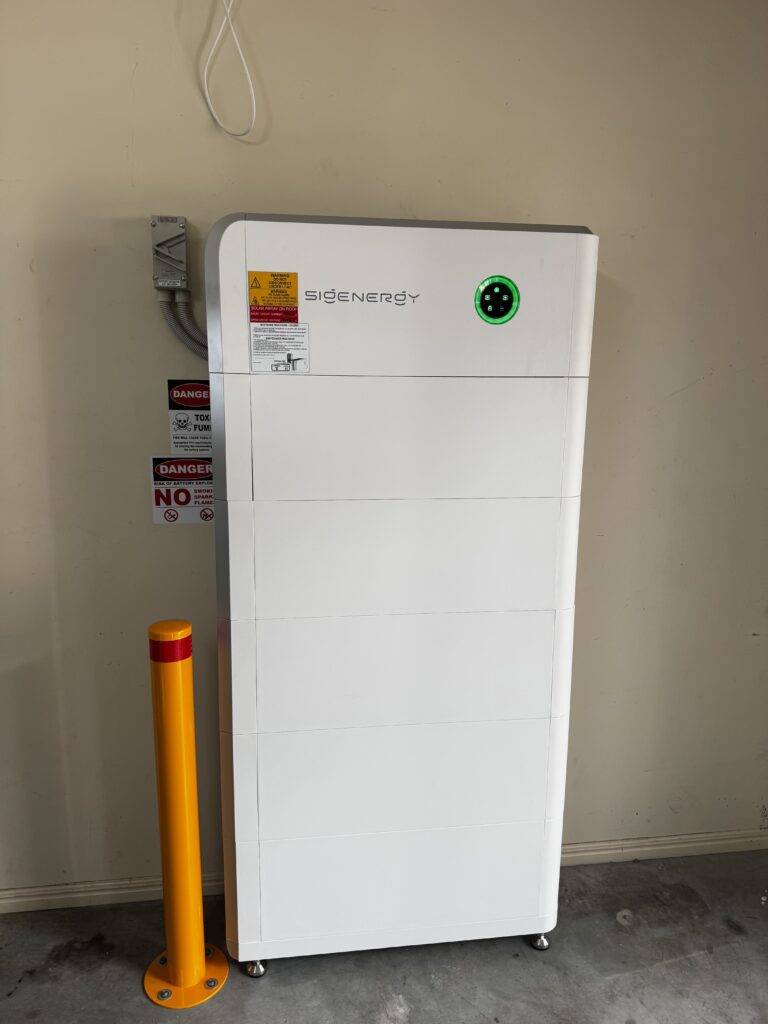
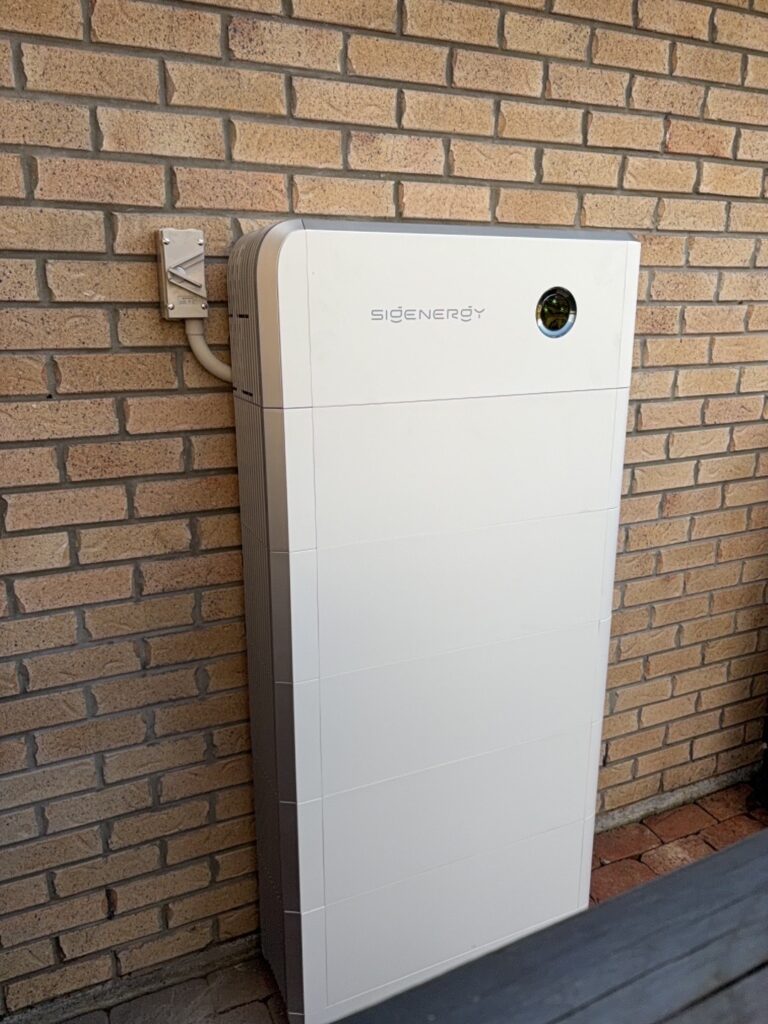
Clean Power Australia installs the Sigenergy SigenStor, with a 10 year warranty, and the Hinen B14400, with a 12 year warranty, and has fitted more than 5,000 batteries across NSW, QLD, ACT and SA. Timing matters this year: the federal battery rebate steps down on 1 January 2027, when the Clean Energy Regulator’s STC factor falls from 6.8 to 5.7 per usable kWh. On a Hinen B14400 that is up to about $3,700 now versus up to about $3,100 from January, as at November 2026 and subject to eligibility.
Common Questions
Will feed-in tariffs go back up?
Nobody can promise that. The midday benchmarks fell between 2025-26 and 2026-27, and more solar keeps being added to the grid, so it is safer to plan around low midday export rates.
Can I get paid more for exporting in the evening?
Some retailers offer time-varying feed-in tariffs that pay more in the evening. A battery can also join a virtual power plant, where payments vary by program and retailer. For most homes, using stored power yourself is the simplest saving.
Is the Solar Sharer Offer worth it if I have solar?
It can be, especially with a battery that charges in the free window. Rates outside the window can be higher than on other plans, so compare the whole plan against your usage.
Should I add panels or a battery first?
If you already export a lot at midday, a battery usually makes more difference. If your system is small or ageing and rarely exports, more panels may come first. A consultant can tell from your bill and system data.
Your panels will do their best work of the year over the next few months. Make sure you keep the benefit.
Sources