NSW Home Energy Saver Loan: New $150,000 Income Limit Now Applies
The NSW Government’s Home Energy Saver loan has a new income limit. From 10 November 2026, the combined taxable household income threshold drops from $210,000 to $150,000 a year for new applications. Applications submitted before that date are assessed under the old limit.
The change follows huge demand. More than 15,000 NSW households were approved for a Home Energy Saver loan in roughly five months, according to RenewEconomy. Here is who can still apply, what the loan covers, and how it works alongside the federal battery rebate.
The Short Answer: Who Can Get a Home Energy Saver Loan Now?
From 10 November 2026, you may be eligible if the home is in NSW, you own it (as an owner-occupier or a landlord), you are an Australian citizen or permanent resident, and your combined taxable household income is up to $150,000 a year. The upgrade must be on the program’s approved list, and the lender runs its own credit assessment. Renters are not eligible.
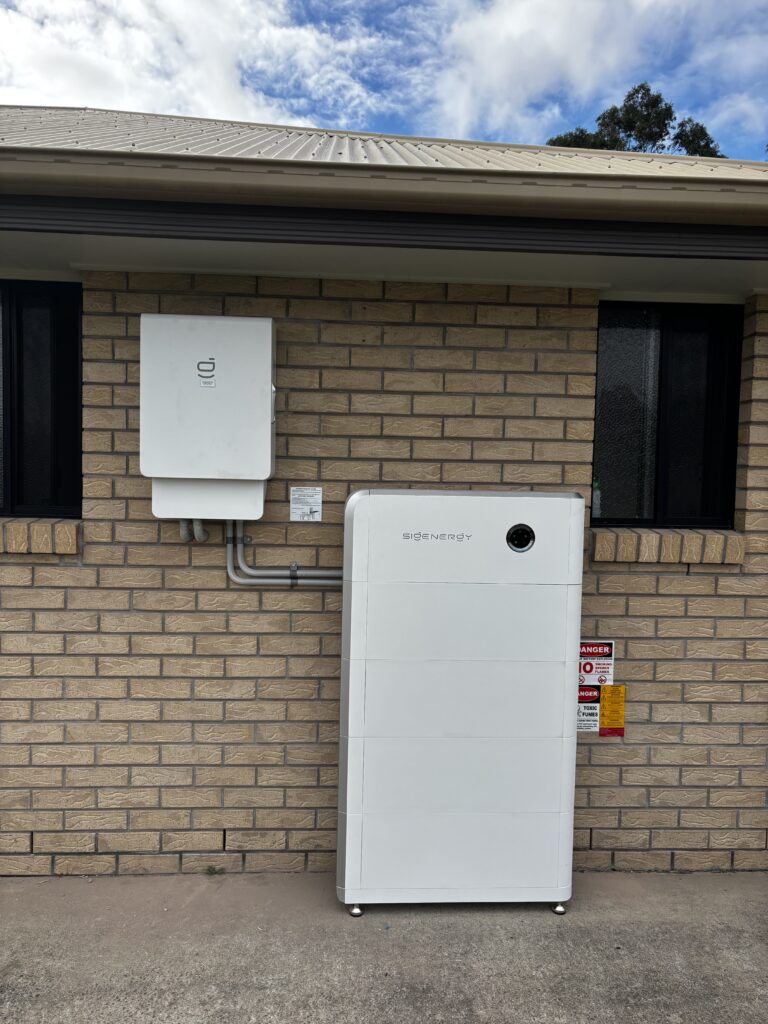
The loan can cover up to $15,000 per property for upgrades such as solar, a home battery or an EV charger. For most households the battery is the upgrade that matters most. It lets you charge up at midday, from your own solar or from free grid power in the Solar Sharer Offer window, and store that energy for the evening, when you need it and rates are highest. See the full details on our NSW Home Energy Saver loan page.
What Changed on 10 November?
| Criterion | Before 10 November 2026 | From 10 November 2026 |
|---|---|---|
| Combined taxable household income | Up to $210,000 a year | Up to $150,000 a year |
| Maximum loan | $15,000 per property | $15,000 per property (unchanged) |
| Who can apply | NSW owner-occupiers and landlords | Unchanged |
The Energy Security Corporation, the NSW Government body funding the loans, confirms the new limit applies to applications submitted from 10 November 2026, and that earlier applications are assessed under $210,000. The program has $480 million set aside for loans and expects to help about 32,000 households.
Why the change? RenewEconomy reported it as a tightening of the criteria after sign-ups ran far faster than expected, with approved households spread across 539 postcodes in Greater Sydney and regional NSW.
If your household earns more than $150,000, you can still claim the federal battery rebate, which has no income test under the Clean Energy Regulator’s rules, and pay for the rest of the system another way. Payment options are available, subject to eligibility and approval.
What Can the Loan Pay For?
The program covers a set list of approved energy upgrades. The ones most relevant to a solar and battery home are:
- Rooftop solar, either a new system or an expansion of an existing one. See our residential solar systems.
- A home battery on the approved list, installed at a home that has or is getting solar. Compare home battery options.
- An EV charger, installed by a licensed electrician. More on home EV charging.
- A switchboard upgrade, where one is needed to safely support the new equipment.
The lenders, Brighte and Plenti, also list other upgrades such as hot water heat pumps and reverse-cycle air conditioning. Check the lender’s current list before you plan around a specific product.
Not sure if your household still qualifies, or how much of your system the loan would cover? We show the rebate and the loan amount as separate lines on your quote. See how the loan works with us
How the Loan Works With the Federal Battery Rebate
The two stack. Under the program’s rules, other government incentives come off first. So the federal Cheaper Home Batteries discount is applied to the battery price on your quote, and the Home Energy Saver loan can then cover the remaining cost of the eligible upgrade, up to $15,000.
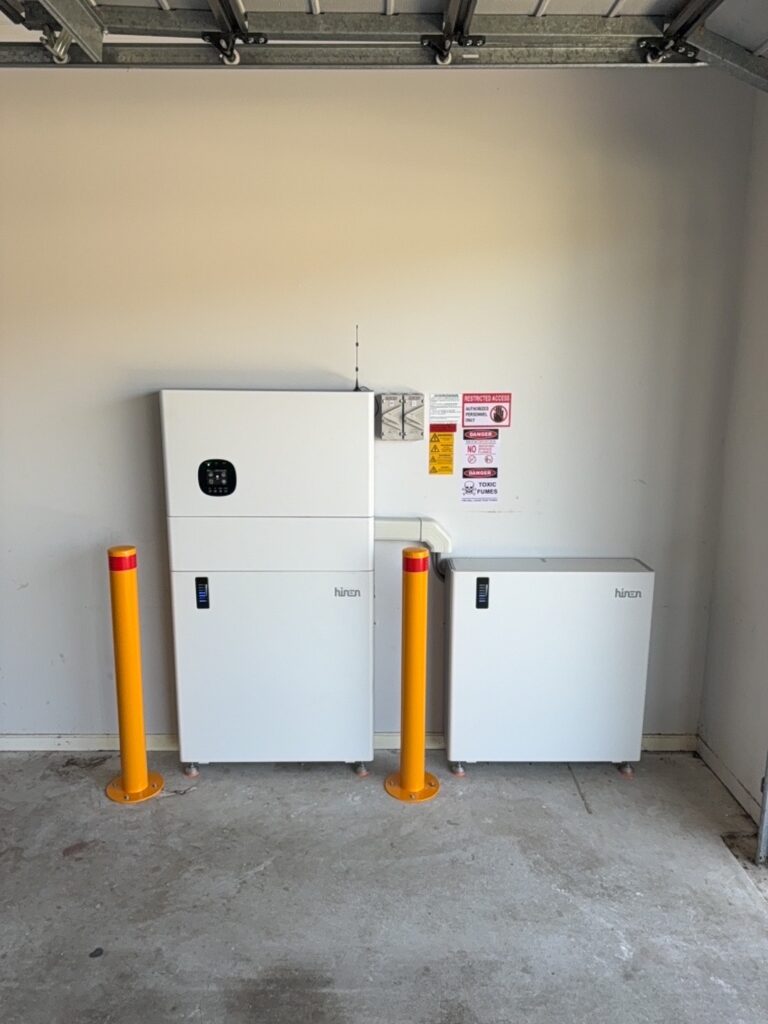
Timing matters for the rebate too. The Clean Energy Regulator’s STC factor falls from 6.8 to 5.7 per usable kWh on 1 January 2027. On a Hinen B14400 that takes the rebate from up to about $3,700 to up to about $3,100, as at November 2026 and subject to eligibility. The federal program is also under review ahead of the mid-year budget update, as we explain in what a battery rebate cut could mean. Read more on the federal battery rebate.
How to Apply Through an Approved Installer
- Get an itemised quote showing the product, installation, any federal rebate and the amount left for the loan.
- Apply with the lender. You confirm your eligibility, provide proof of ownership and income, and complete the lender’s assessment. The lender tells you the outcome.
- Install. Once your loan and installation agreements are in place, the system is fitted by SAA accredited installers.
- Settle. The lender confirms the installation is complete and pays the installer on your behalf.
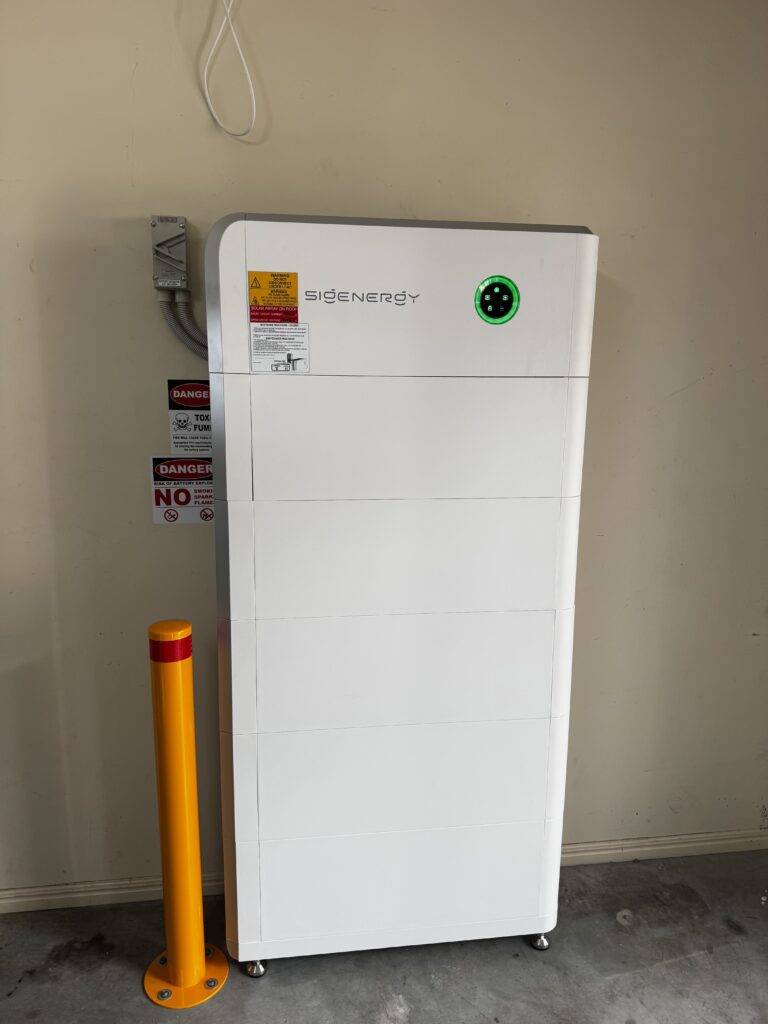
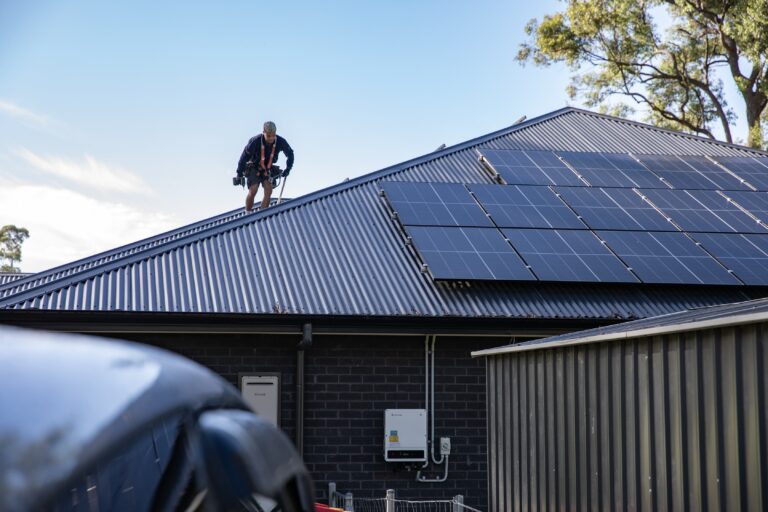
Clean Power Australia is an approved installer under the program, with local hubs in Sydney, Newcastle and Wollongong. We install Sigenergy batteries with a 10 year warranty and Hinen batteries with a 12 year warranty, both of which meet the program’s battery requirements.
Common Questions
I applied before 10 November. Does the new limit affect me?
The Energy Security Corporation says applications submitted before 10 November 2026 are assessed under the $210,000 threshold. If you are unsure whether yours was submitted in time, check with your lender.
Is it a grant or a loan?
It is a loan that you repay. The NSW Government funds it and the lenders deliver it. Full terms are set out by the lender and summarised on our loan page.
Is there help for lower-income households?
The NSW Government lists Home Energy Saver discounts of up to $4,000. The lenders say these will expand to households earning up to $80,000 a year or holding an eligible concession card. Check energy.nsw.gov.au for the latest.
Can landlords use the loan?
Yes. Landlords can apply for upgrades to a NSW property they own, subject to the same eligibility rules. Renters cannot apply themselves.
If your household is under the new limit, now is a good time to lock in both the loan and this year’s battery rebate.
Sources
- Energy Security Corporation, Home Energy Saver loans to unlock energy upgrades for 32,000 NSW households (with November 2026 update)
- RenewEconomy, State tightens criteria for Home Energy Saver loans, 5 November 2026
- Plenti, Home Energy Saver loans for NSW households
- Brighte, NSW Home Energy Saver loan
- Clean Energy Regulator, Solar batteries: STC factors and eligibility, updated 29 October 2026