Choosing an EV Charging Plan: Free Midday Hours or Cheap Nights?
Something new shows up on the east coast grid at 11am. AEMO’s latest quarterly report found demand jumps by about 360 MW in the first five minutes after 11am, which RenewEconomy linked to households switching on for the free power window.
If you drive an EV in NSW, South East Queensland or South Australia, the right EV charging plan now gives you two cheap times to charge: three free hours in the middle of the day, and the discounted overnight rates on dedicated EV plans. Some plans now offer both. This guide explains how each one works, what actually fits inside the free window, and how to choose a plan that suits when your car is at home.
The Short Answer: Which EV Charging Plan Is Cheapest?
If your car is at home in the middle of the day, the free window is hard to beat. If it is at work all day, an overnight EV rate does the heavy lifting. If you can, pick a plan that gives you both, then compare the whole plan, not just the headline rate.
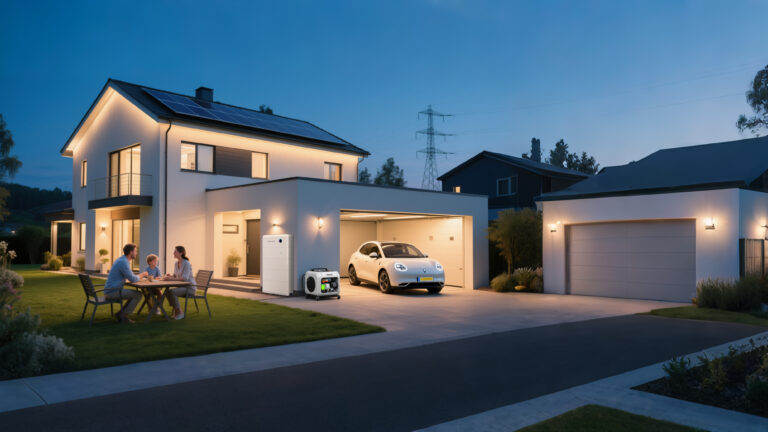
Add a home battery and the midday window does even more work. A battery lets you charge up at midday, from your own solar or from free grid power in the Solar Sharer Offer window, and store that power for the evening, when you need it and rates are highest. Your house runs on stored midday power after dark, and the car can take the cheap overnight rate or the free midday hours. That is the real reason to pair a home battery with an EV.
The conditions are simple. The free window is only available in NSW, South East Queensland and South Australia, you need a smart meter, and you have to opt in. The ACT is not covered.
How the Free Midday Window Works
The Solar Sharer Offer started on 1 July 2026. Retailers with more than 1,000 customers in those regions must offer it, and Energy Made Easy sets out the key rules:
- Free window: 11am to 2pm in NSW and South East Queensland, 12pm to 3pm in South Australia. The times do not move for daylight saving.
- Free amount: the first 24 kWh you use in the window each day. Anything above that is charged at the plan’s off-peak or solar soak rate.
- Still charged: the daily supply charge, plus time-of-use rates outside the window, which can be higher than on a flat plan if you do not shift your usage.
- Who can get it: homeowners and renters with a smart meter, not on an embedded network. Solar is not required.
The government’s own guidance suggests charging an EV or home battery during the free period. We covered the battery side in more detail in our Solar Sharer Offer guide.
How Overnight EV Plans Work
Dedicated EV plans give you a discounted rate for a set overnight window, when the grid is quiet. They usually come with conditions, such as a smart meter and an EV registered at the address, and the rest of the day can be priced higher to make up for it.
A few retailers now combine an overnight EV rate with the free midday hours on the same plan. That suits households where the car is sometimes home at lunchtime and sometimes not. Plans change often, so check the current terms on the government’s free comparison site, Energy Made Easy, before you switch.
What Fits in 24 Free kWh? A Worked Example
The 24 kWh cap is generous for most homes, but an EV and a battery together can use it up quickly. Here is one example with the assumptions spelled out.
| Load in the free window | Energy used | Assumption |
|---|---|---|
| EV on a 7 kW home charger for 3 hours | 21 kWh | 7 kW x 3 hours. At 15 kWh per 100 km, about 140 km of driving |
| Hinen B14400 battery, empty to full | About 13.7 kWh | 13.68 kWh usable, ignoring small charging losses |
| Rest of the house at midday | 2 to 4 kWh | Fridge, washing, pool pump, cooling |
| Total | About 37 to 39 kWh | Above the 24 kWh free amount |
In this example the extra 13 to 15 kWh is charged at the off-peak or solar soak rate, which is still cheap, but no longer free. Rooftop solar changes the picture: whatever your own panels produce at midday does not come from the grid at all, so the 24 free kWh stretches much further.
A sensible order for most homes is: fill the battery in the window so the evening is covered, charge the car from solar or spare free allowance at midday when it is home, and use the overnight EV rate on the days it is not. Your car’s own efficiency figure will differ, so use it in place of the 15 kWh per 100 km assumption.
Want your solar, battery and EV charger working off the same plan? We design the system around when your car is actually at home. See our home EV chargers
Do You Still Need a Battery If Power Is Free at Midday?
Yes, because the free window ends at 2pm (3pm in SA), and the most expensive hours come after sunset. A battery is how you carry cheap midday power into the evening. Without one, you are back on peak rates from late afternoon until bed.
AEMO’s numbers show the effect. Over July to September 2026, homes with solar and a battery imported 0.7 kW less from the grid in the 4pm to 9pm peak than solar-only homes, a 74% reduction, as reported by RenewEconomy.
Timing matters too. The federal battery rebate under the Cheaper Home Batteries Program uses a factor of 6.8 for batteries installed by 31 December 2026, falling to 5.7 from 1 January 2027, according to the Clean Energy Regulator. That is as at November 2026 and subject to eligibility, and the discount comes from the federal scheme, not from any installer.
Choosing an EV Charging Plan: A Quick Checklist
- Where is the car at midday? Home most days points to the free window. Away most days points to an overnight EV rate. A mix points to a plan with both.
- Check you are eligible. Smart meter, not on an embedded network, and in NSW, South East Queensland or South Australia for the free window.
- Compare the whole plan. Enter your meter number (NMI) on Energy Made Easy so it uses your real usage, then check the peak rate, overnight rate and supply charge, not just the free hours.
- Read the EV conditions. Some overnight rates only apply in a fixed window or need the car registered at your address.
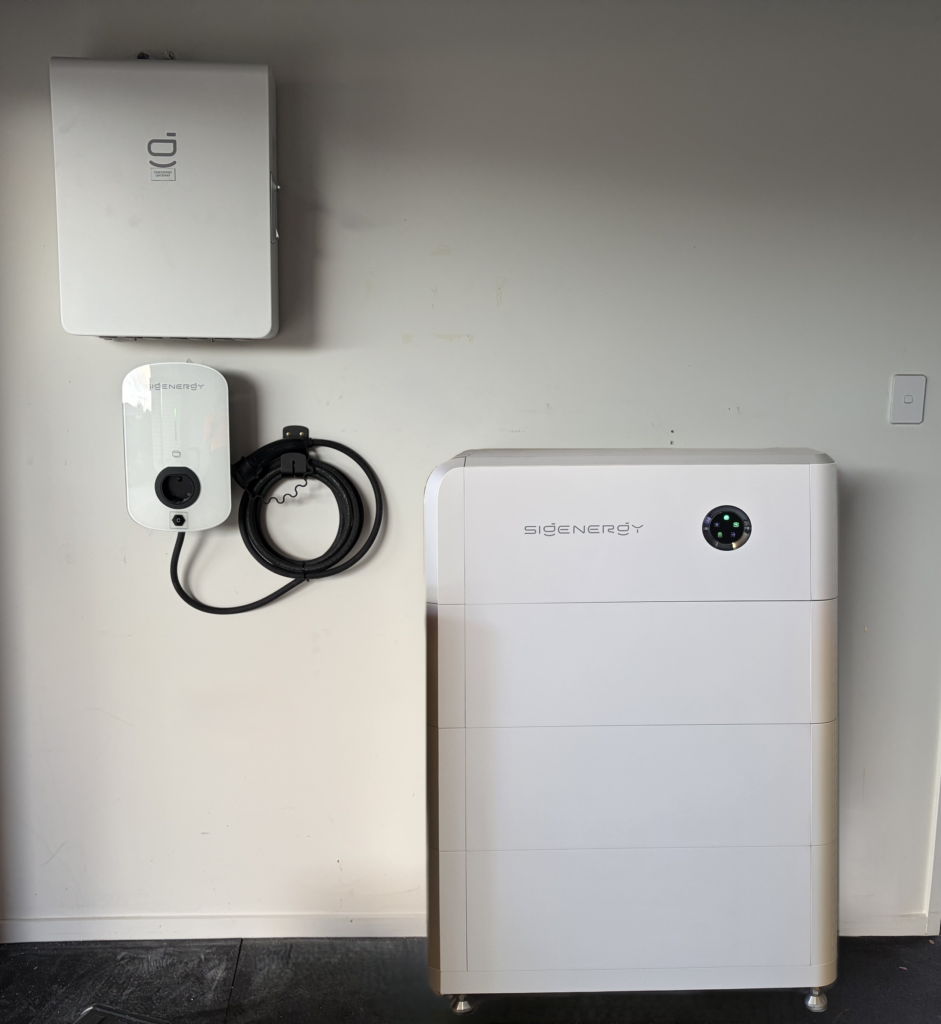
- Use a charger you can schedule. A smart charger can start at 11am or after midnight on its own, so you do not have to remember. With a Sigenergy battery, the Sigenergy EV charger can also charge the car straight from your solar and battery.
Where Solar, a Battery and an EV Charger Fit Together
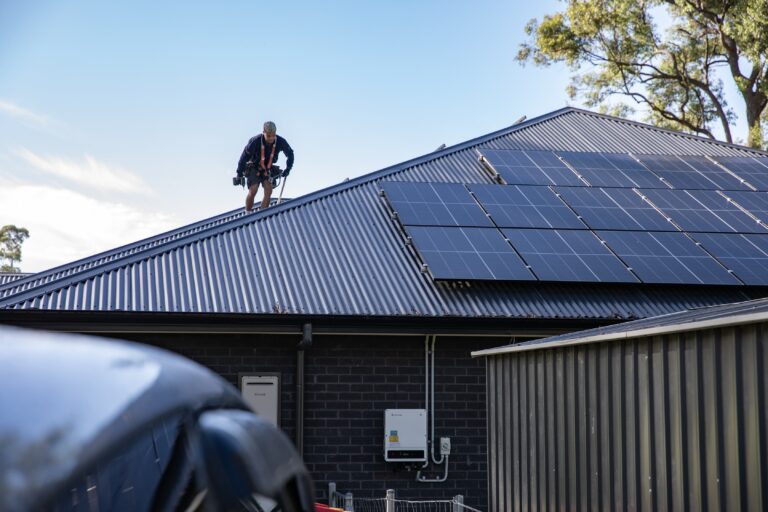
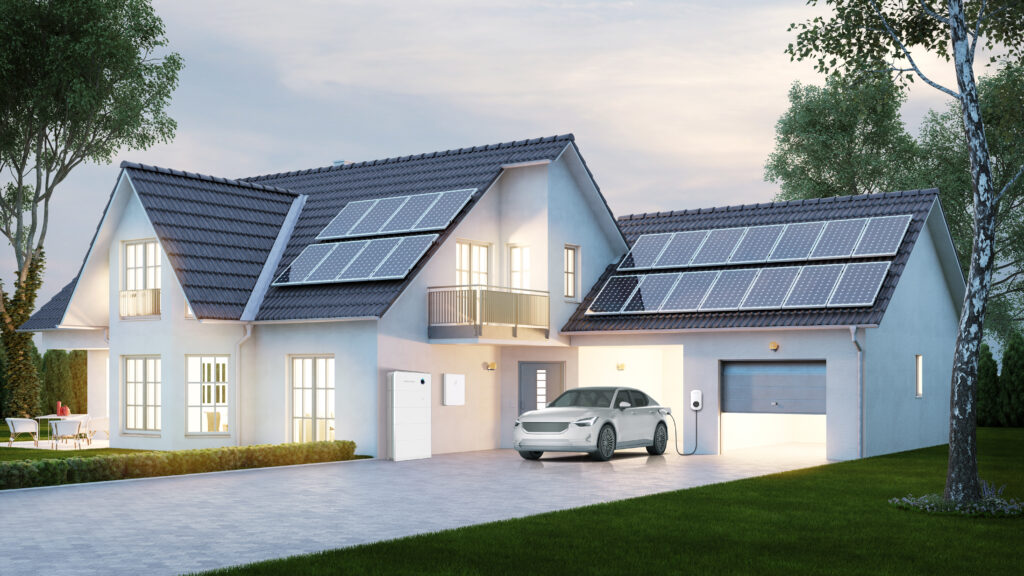
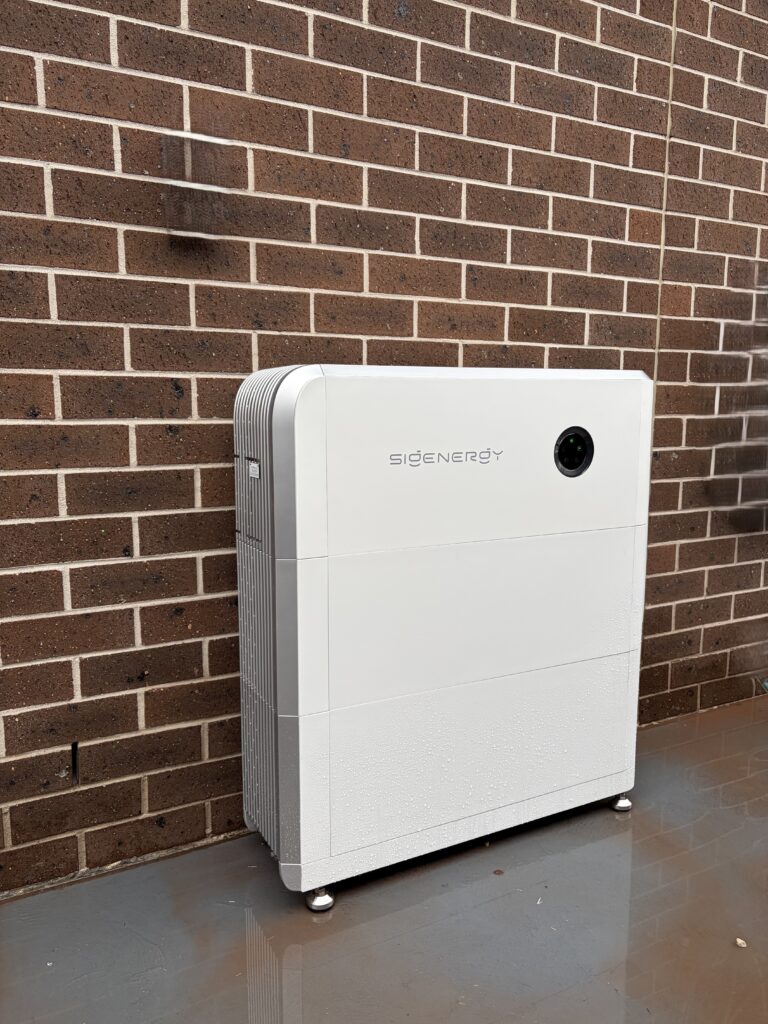
The cheapest kWh is still the one your own roof makes. Rooftop solar covers the car and the house at midday, the battery stores the surplus and the free-window top-up for the evening, and the charger decides when the car fills up. If you are working out how many panels an EV needs, our guide on solar for charging an EV at home walks through it.
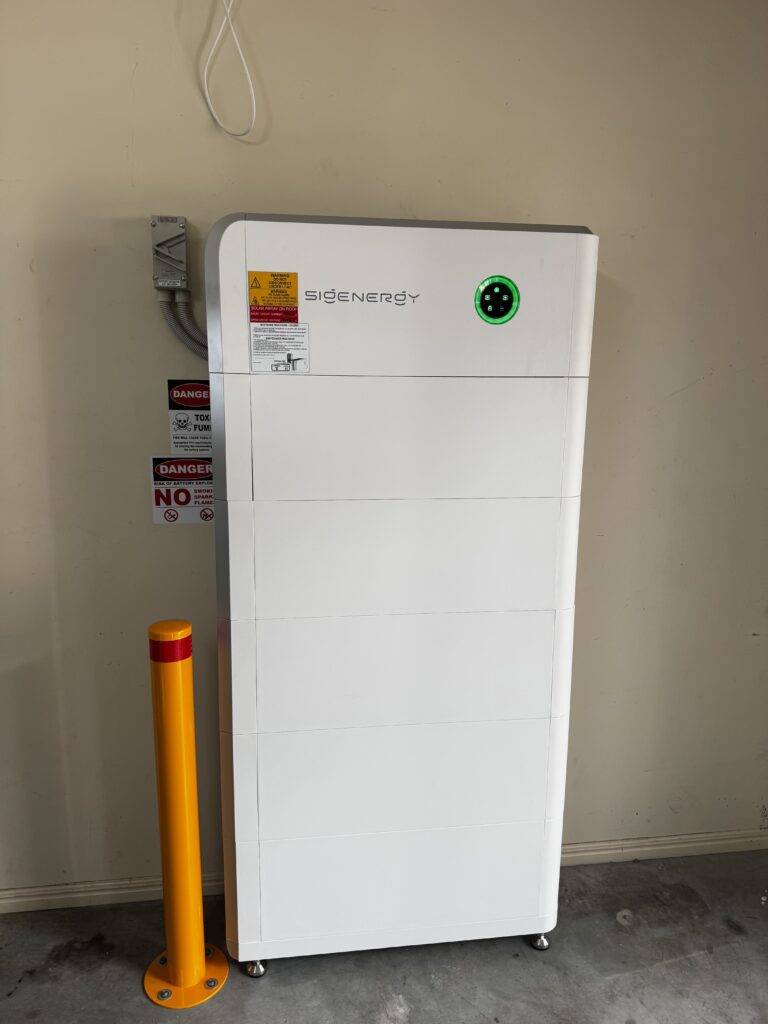
Clean Power Australia has installed more than 5,000 batteries across NSW, QLD, ACT and SA. We install the Sigenergy SigenStor, which grows in 8.76 kWh modules and carries a 10 year warranty, and the Hinen B14400 with 13.68 kWh usable and a 12 year warranty, alongside home EV chargers sized to your switchboard.
Common Questions
Is the free midday window available in the ACT?
No. The Solar Sharer Offer applies in the regions covered by the Default Market Offer, which are NSW, South East Queensland and South Australia. ACT households can still use solar and a battery to cover midday and evening use.
Can I charge my home battery from the grid in the free window?
Yes. The government’s guidance suggests charging an EV or home battery during the free period. The 24 kWh daily free amount is shared across everything you use in the window, so plan which loads come first.
What happens if I use more than 24 kWh in the window?
The extra is charged at the plan’s off-peak or solar soak rate, which is the cheapest rate the plan offers outside the free hours. The daily supply charge applies either way.
Do I need a smart EV charger?
It is not required, but it makes life easier. A charger you can schedule will start in the free window or the overnight EV window automatically, and some can follow your solar output.
Getting the plan, the battery and the charger to work together is easier with a local consultant who looks at your actual bills and driving.
Check what your home could save
Sources
- energy.gov.au, Solar Sharer Offer
- Energy Made Easy, The Solar Sharer Offer: what you need to know (June 2026)
- Australian Energy Regulator, Solar Sharer Offer fact sheet, DMO 2026 to 27 final determination (May 2026)
- RenewEconomy, Home battery boom and hours of free power are re-shaping how consumers use the grid, citing AEMO Quarterly Energy Dynamics Q3 2026 (October 2026)
- Clean Energy Regulator, Solar batteries (updated 29 October 2026)