Battery Rebate Cut on the Table: What It Means If You’re Waiting
A battery rebate cut is now being weighed inside the federal government, not just in opposition press releases. On 7 November 2026 the ABC reported that Treasury is drafting options to cut the $7.2 billion Cheaper Home Batteries Program ahead of the mid-year budget update, including a lower up-front discount, and that the Prime Minister has not ruled out means-testing it.
Nothing has been decided. But if a battery is on your list, it is worth knowing what is on the table, what is already locked in for 1 January 2027, and how to work out whether waiting costs you money. That is what this guide covers.
The Short Answer: Is the Battery Rebate Being Cut?
A cut is possible but not confirmed. What is certain is that the rebate already steps down on 1 January 2027, and any new cut would come on top of that. So the rebate will never be worth more than it is right now.
Why does that matter? Because a battery is how you stop selling your solar cheaply at midday and buying power back at night. It charges in the middle of the day, from your own panels or from free or cheap grid power such as the Solar Sharer Offer’s free three-hour window in NSW, South East Queensland and SA, and stores that energy for the evening, when you actually use it and rates are highest. The rebate simply makes that switch cheaper to set up. See how a home battery works.
What Is Actually on the Table?
Here is what has been reported, and by whom. None of it is government policy yet.
- A lower up-front discount. The Australian Financial Review reported that Treasury is drafting options to scale back the program, including reducing the subsidy, as reported by the ABC on 7 November 2026.
- Means-testing. The Prime Minister declined to rule it out.
- The timing. Environment Minister Murray Watt said savings are still being considered by the Expenditure Review Committee, with decisions tied to the mid-year budget update. No date has been announced.
- The politics. The minister called the program “phenomenally successful”. The opposition has said it would scrap the subsidy altogether, which we covered in what the Coalition’s pledge means for the rebate.
The reason it is under the microscope is simple: demand. Around 600,000 home batteries have been installed since the program started in 2025, according to the ABC, far ahead of early forecasts. Popular programs that cost more than planned are exactly the ones budget reviews look at.
What Is Already Locked In for 1 January 2027?
Even if the review changes nothing, the rebate drops in seven weeks. The Clean Energy Regulator sets an STC factor per kWh of usable battery capacity, and it falls every six months:
- 6.8 for batteries installed May to December 2026
- 5.7 from January to June 2027
- 5.2 from July to December 2027, then lower every six months to 2.1 by late 2030
The full rate applies to the first 14 kWh of usable capacity, 60% of it from 14 to 28 kWh, and 15% from 28 to 50 kWh. Nothing above 50 kWh is eligible. STCs are capped at $40 each through the clearing house and usually trade a little below that. Read the details on our federal battery rebate page.
Here is what the scheduled step-down alone does to some common battery sizes. These are upper-bound estimates at $40 per STC, rounded to the nearest $50, as at November 2026 and subject to eligibility.
| Battery (usable) | Installed by 31 Dec 2026 | Installed Jan to Jun 2027 |
|---|---|---|
| Hinen B14400 (13.68 kWh) | up to about $3,700 | up to about $3,100 |
| SigenStor, 2 modules (17.52 kWh) | up to about $4,350 | up to about $3,650 |
| SigenStor, 3 modules (26.28 kWh) | up to about $5,800 | up to about $4,850 |
That is roughly $650 to $950 less for the same battery, before any new cut from the review. We set out the full schedule in what the 1 January step-down costs you.
Want your exact figure? We calculate the rebate on your actual battery size and install date, so you know the number before you decide. Check your rebate
Should You Wait to See What Happens?
Waiting only pays if prices fall faster than the rebate does. Here is a plain way to think it through:
- The rebate can only go down from here. The 1 January step-down is scheduled, and the review can only add to it.
- Every month without a battery is another month of evening power bought at full price. If you have solar, you are exporting your cheapest energy and buying it back later.
- The rebate is set by the install date, not the quote date. A signed quote does not lock in this year’s factor. The battery has to be installed and the claim made under the rules in force at the time.
- December gets busy. Installer calendars often fill before Christmas, so leaving it late can push your install into January.
Waiting can make sense if you are planning a renovation, a switchboard upgrade or a move in the next year. Otherwise, the main thing you gain by waiting is a smaller rebate.
Rules That Will Not Change: Get Them Right the First Time
Whatever the review decides, some rules already shape what you should buy. They make it worth sizing the battery properly at the start.
- One battery claim per premises. Capacity added later to a battery that already claimed STCs is not eligible, so an undersized battery now can mean paying full price to grow it.
- The battery must be VPP capable. Grid-connected batteries need to be able to join a virtual power plant, even if you choose not to.
- It must be on the approved list and installed by an SAA accredited installer with a battery endorsement, and it needs to stay at the property.
How to Lock In Today’s Rebate
If you want to be installed under the 2026 factor, the steps are short. Get a quote sized to your evening usage, not a round number. Check your switchboard and whether you want blackout backup, which needs a backup-capable setup such as a gateway, and whole-home backup depends on the design. Then book an install date before Christmas.
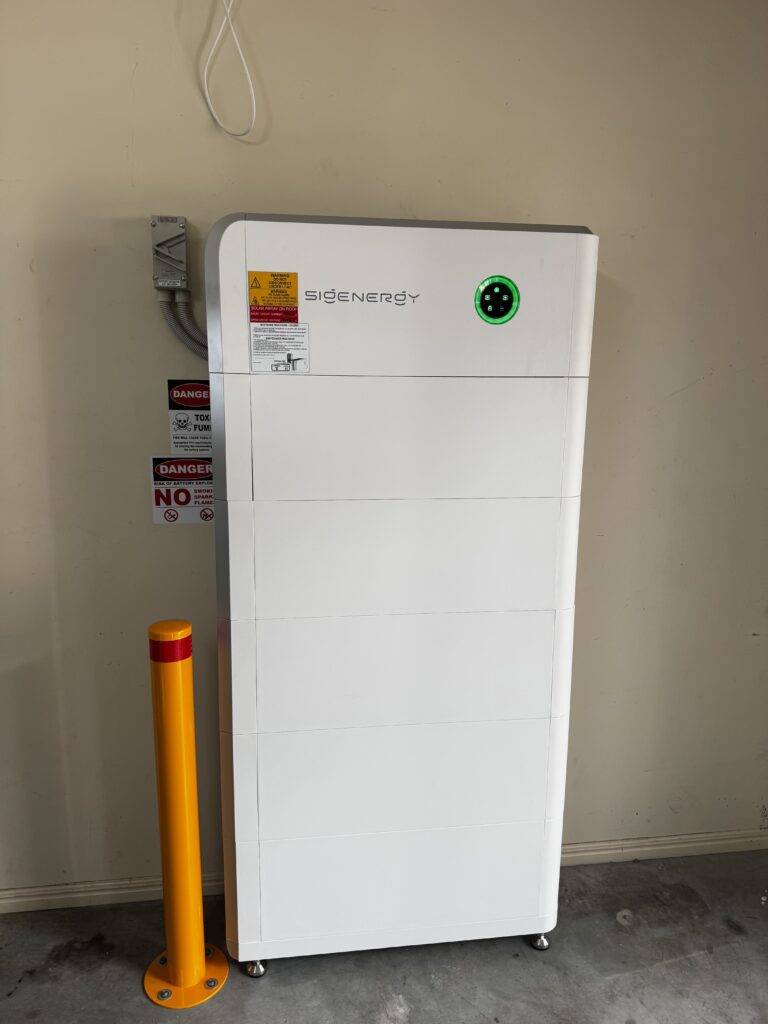
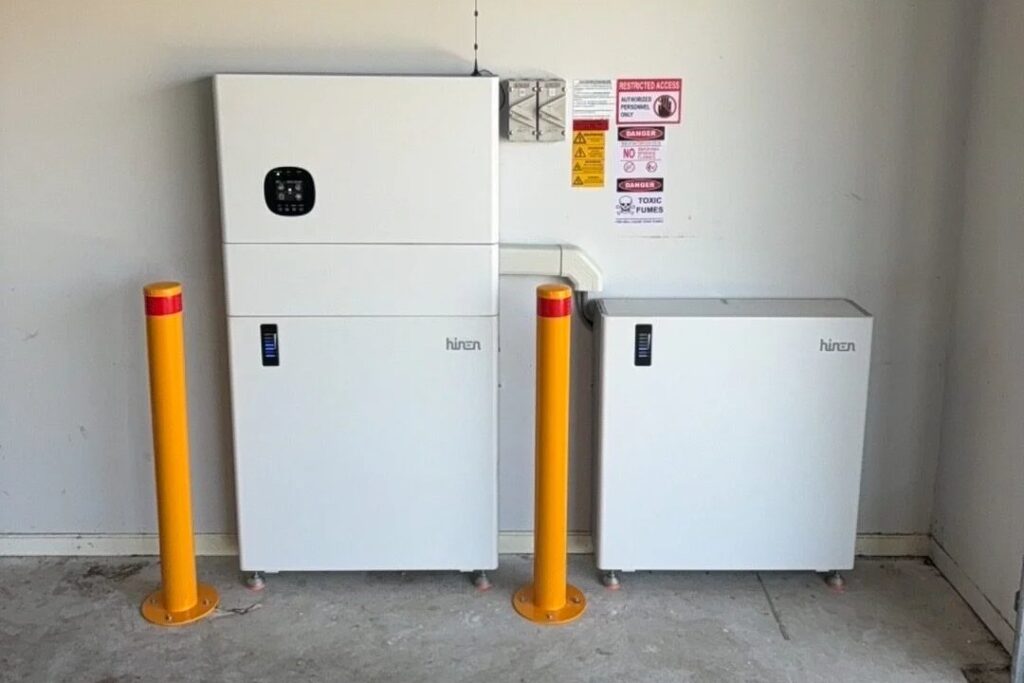
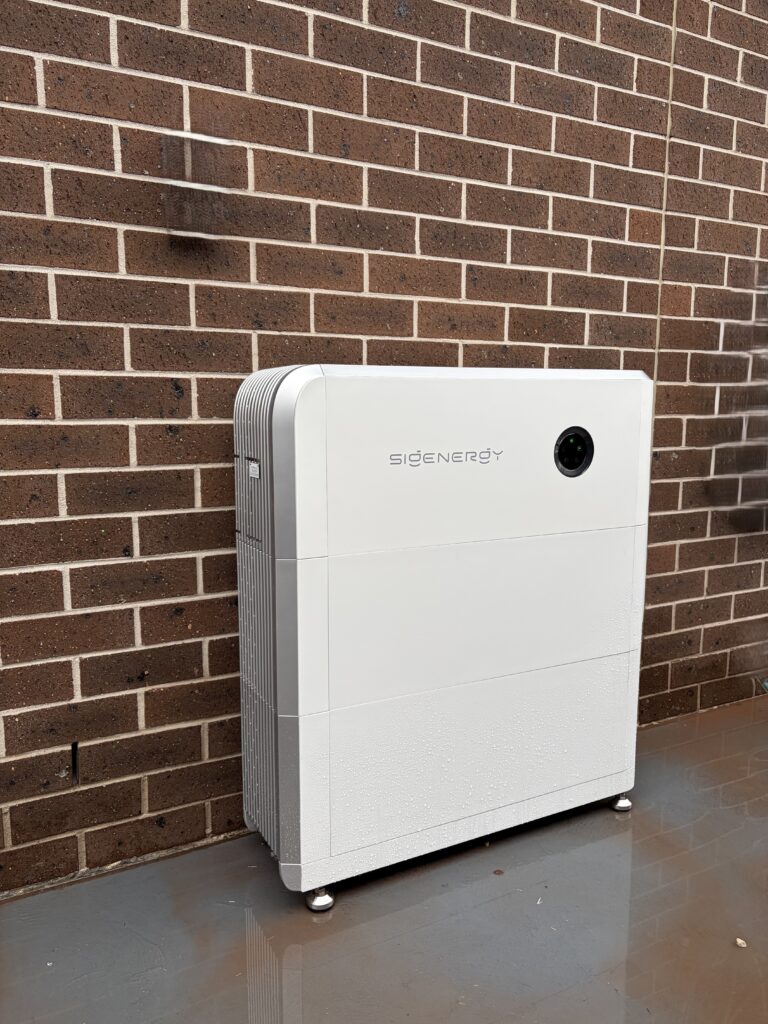
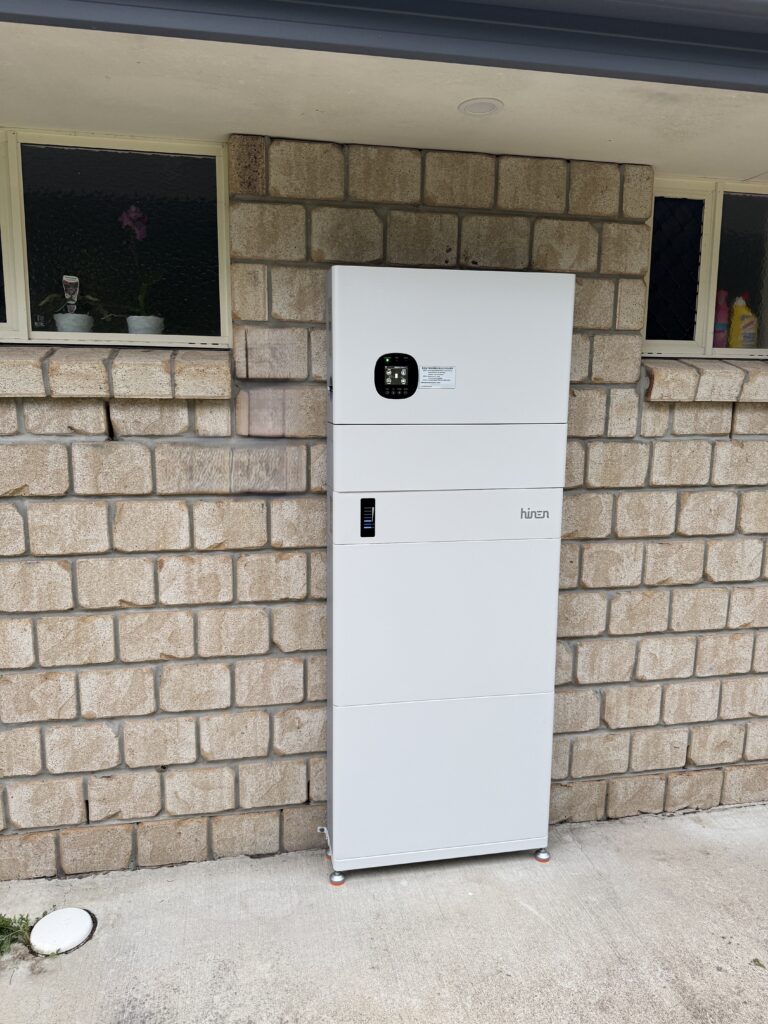
The two batteries we install most suit different homes. The Sigenergy SigenStor is modular, with 8.76 kWh usable per module and a 10 year warranty, so it can be sized to the home from day one. The Hinen B14400 gives 13.68 kWh usable in one unit with a 12 year warranty. Clean Power Australia has installed more than 5,000 batteries across NSW, QLD, ACT and SA, and as a NETCC Approved Seller we handle the STC paperwork for you.
Common Questions
Has the battery rebate been cut?
Not as at 10 November 2026. Treasury is reported to be drafting options, and the government says savings are under review ahead of the mid-year budget update. The Clean Energy Regulator’s published factors still apply until something formally changes.
If I sign a quote now, am I protected from a cut?
Not automatically. STCs are created for the installed system under the rules at the time, so the install date matters. If timing is important to you, ask for a confirmed install date in writing.
Is it still worth getting a battery without the rebate?
It depends on your usage, your tariff and your solar size. The rebate lowers the up-front cost, but the reason to own a battery is moving cheap midday energy into the evening. A good quote should show your evening usage and what share of it the battery can cover.
Do I have to join a virtual power plant?
Not under the current rules. The battery must be capable of joining one, but signing up is your choice. VPP payments vary by program and retailer.
If you would rather know your number than guess at the review, we will size your battery, calculate your rebate at today’s factor and give you a real install date.
Sources