
The federal battery rebate, explained: what it is worth in 2026, who qualifies, and how it comes off your quote.
The Australian Government's Cheaper Home Batteries Program takes around 30% off an eligible home battery. Here is how the number is worked out, and what changes on 1 January 2027.
What the federal battery rebate is
The Cheaper Home Batteries Program started on 1 July 2025 and runs to the end of 2030. It is not a cash rebate you claim afterwards. It is a discount your installer applies on the quote.
The program works through the Small-scale Renewable Energy Scheme, the same scheme that has discounted rooftop solar for years. An eligible battery is entitled to a number of small-scale technology certificates, or STCs. You assign the right to create those certificates to a registered agent, in this case Clean Power Australia, and in return their value comes straight off your invoice. No forms, no waiting for a refund.
The discount is calculated on the battery’s usable capacity, at a rate that steps down every six months so it keeps pace with falling battery prices. The rate that applies is set by the date the battery is installed, not the date you order it.
- Open to households, small businesses and community organisations anywhere in Australia
- No income test
- Battery between 5 and 100 kWh nominal capacity
- One claim per property
How the discount is worked out
Four steps, all of them handled by us. As at September 2026:
-
Usable capacity times the STC factor
The factor for installations between 1 May and 31 December 2026 is 6.8 certificates per usable kWh. It applies in full to the first 14 kWh, at 60% for capacity between 14 and 28 kWh, and at 15% between 28 and 50 kWh. Nothing above 50 kWh.
-
Round down to whole certificates
A 13.68 kWh battery earns 93.02, which becomes 93 certificates.
-
Multiply by the certificate price
Certificates trade on a market. Through 2026 the value after agent costs has sat at roughly $37 to $40 each. Your quote uses the rate on the day.
-
Take it off the invoice
The discount appears as a line on our quote and you pay the net figure. We create and trade the certificates and register the system with the Clean Energy Regulator and AEMO.
The rate tapers by battery size
Since 1 May 2026 the program favours right-sized batteries. For most households everything sits in the first band.
0 to 14 kWh usable
The full STC factor. A 10 kWh battery earns 68 certificates, worth roughly $2,500 to $2,700. A 14 kWh battery earns 95, or about $3,500 to $3,800.
14 to 28 kWh usable
60% of the factor on every kWh above 14. Still worth adding capacity if you will use it, but each extra kilowatt hour earns less.
28 to 50 kWh usable
15% of the factor on every kWh above 28, and nothing at all above 50 kWh. This is why a fourth battery module rarely stacks up on a house.
The step-down schedule to 2030
Certificates per usable kWh, set by your installation date. The step every January and July is why the install date matters more than the order date.
| Installation period | Certificates per usable kWh |
|---|---|
| 2026, January to April | 8.4 |
| 2026, May to December | 6.8 (current) |
| 2027, January to June | 5.7 |
| 2027, July to December | 5.2 |
| 2028, January to June | 4.6 |
| 2028, July to December | 4.1 |
| 2029, January to June | 3.6 |
| 2029, July to December | 3.1 |
| 2030, January to June | 2.6 |
| 2030, July to December | 2.1 |
The program ends on 31 December 2030. In dollar terms at $37 to $40 a certificate, the first 14 kWh earns roughly $250 to $270 per kWh today, and about $210 to $230 per kWh from 1 January 2027. Source: Clean Energy Regulator.
Worked examples on the batteries we install
Indicative figures for an installation between May and December 2026, at $37 to $40 a certificate. Your quote shows the exact amount.
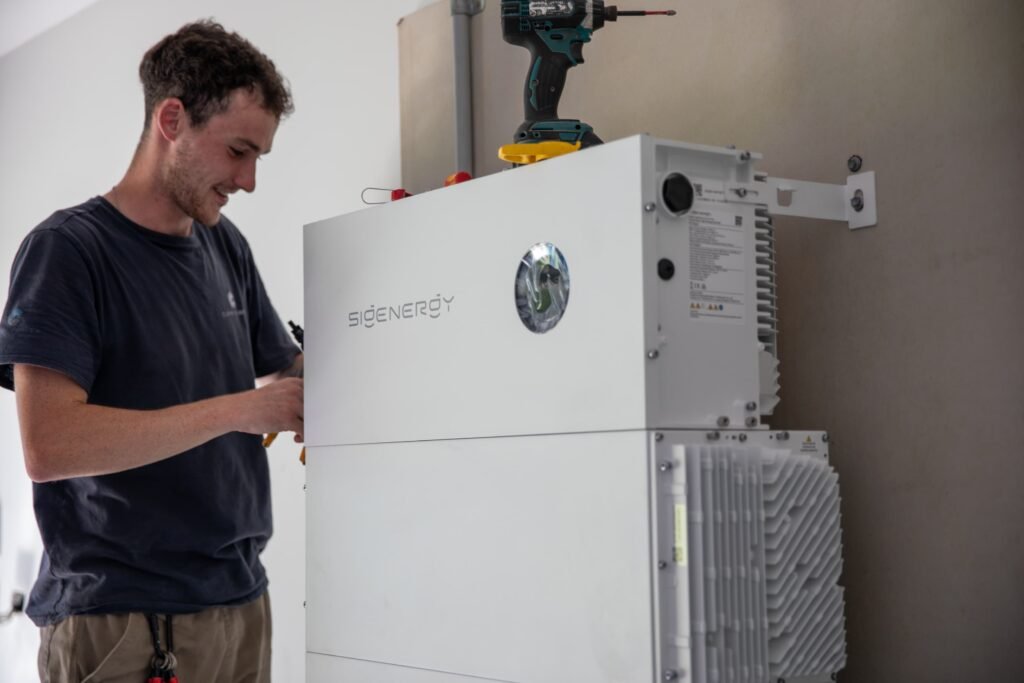
Sigenergy SigenStor, one BAT 10.0
8.76 kWh usable. 59 certificates, roughly $2,200 to $2,400 off. About SigenStor.
SigenStor, two BAT 10.0
17.52 kWh usable. 109 certificates, roughly $4,000 to $4,400 off.
SigenStor, three BAT 10.0
26.28 kWh usable. 145 certificates, roughly $5,400 to $5,800 off.
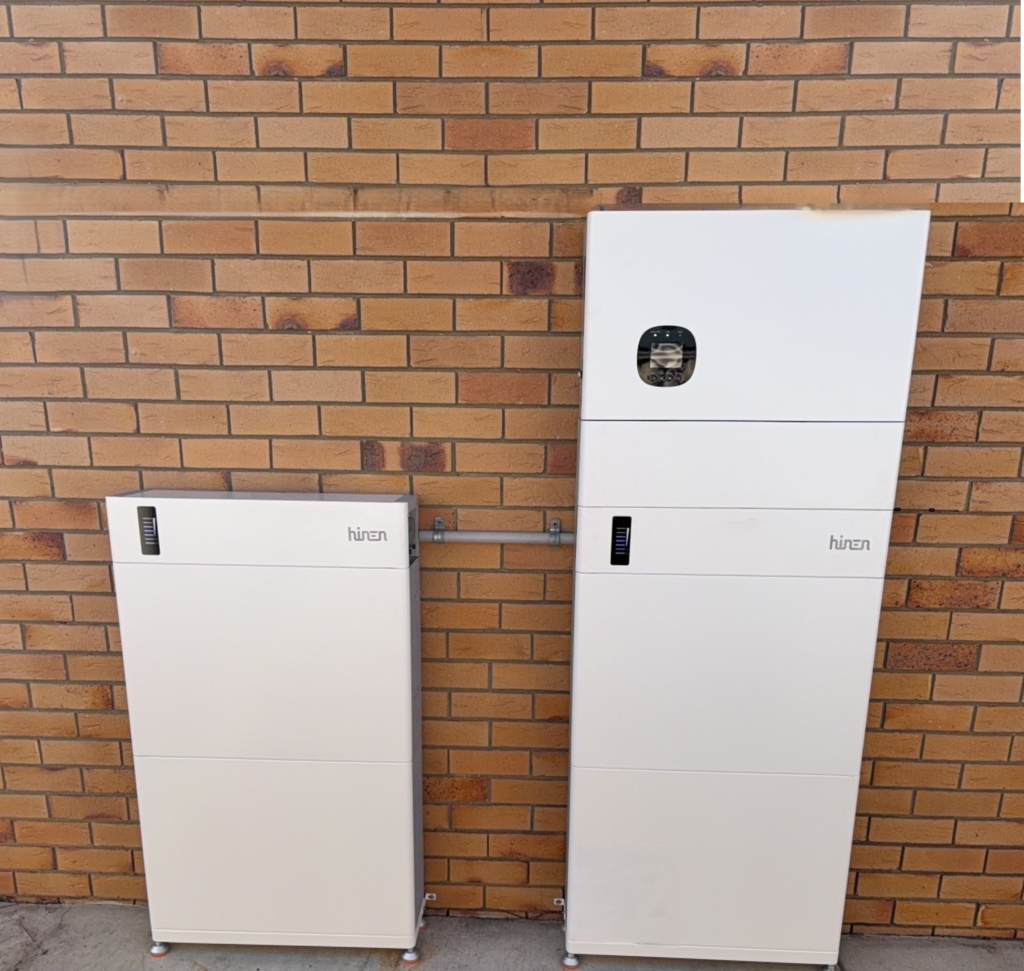
Hinen B14400, one unit
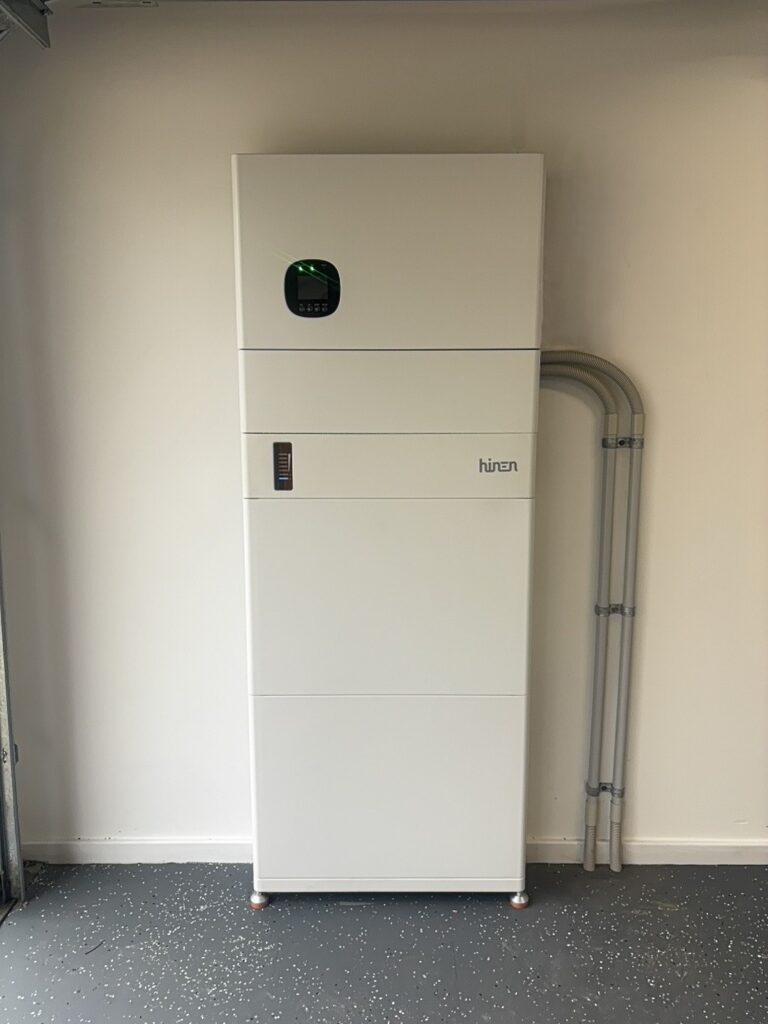
13.68 kWh usable. 93 certificates, roughly $3,400 to $3,700 off, with the whole battery in the full-rate band. About Hinen.
Hinen B14400, two units
27.36 kWh usable. 149 certificates, roughly $5,500 to $6,000 off.
Any battery from 1 January 2027
Multiply the figures above by roughly 0.84. A 13.68 kWh battery drops from 93 certificates to 77.
Want that discount worked out for your place?
We size the system to your usage first, then show the rebate as a line on the quote, so you can see what you are actually paying.
Who and what is eligible
The Clean Energy Regulator’s rules, in plain terms. We check every one of these before we quote.
-
A new battery, installed in one job
Manufactured within 12 months of the installation date, and never installed or claimed before.
-
With solar, new or existing
The property needs a rooftop solar system of no more than 100 kW. It can go in with the battery or already be there. The inverter the battery connects to must be VPP capable and CEC listed, or be replaced with one that is.
-
5 to 100 kWh nominal capacity
Certificates can only be created on the first 50 kWh of usable capacity.
-
On the Clean Energy Council approved battery list
Every Sigenergy and Hinen system we install is listed.
-
VPP capable
The battery and inverter have to be able to join a virtual power plant. You do not have to join one; the system just has to be capable of it.
-
Installed by an SAA accredited installer with battery endorsement
To AS/NZS 5139 and your state’s electrical safety rules. That is every installer we use.
-
One battery per premises
One claim per electricity meter, or NMI. If you expect your usage to grow, size the system for that now, because a second claim is not available later.
-
It stays put
The battery has to remain at the property until the end of 2030 or the end of its warranty, whichever is later. Moving it to a new address makes it ineligible.
Not sure whether your place qualifies?
Most homes do. Tell us where you are and what you have now, and we will confirm it before quoting anything.

How Clean Power Australia applies it
We are a registered agent under the scheme, so the discount is on our quote from the first conversation rather than something you chase later. Our designers size the battery to your evening usage and show you the discount for that size, in dollars, next to the price.
On install day our SAA accredited installers commission the system, register it on the Clean Energy Regulator and AEMO registers, and we create the certificates. You never touch the paperwork.
- Discount shown on the quote, calculated for your installation date
- Certificate paperwork, DER registration and compliance photos handled by us
- Batteries from the CEC approved list, installed to AS/NZS 5139
- NETCC Approved Seller
What stacks on top in New South Wales
The federal discount applies everywhere we install. In New South Wales there are two more things we can put on your quote.
- A virtual power plant connection incentive under the Peak Demand Reduction Scheme, paid when you connect an eligible battery to a participating VPP. The amount depends on your battery’s usable capacity and the provider.
- The NSW Government Home Energy Saver loan, a 0% interest loan of up to $15,000 for eligible households.
- Both are applied before the loan, so your quote shows each one on its own line.
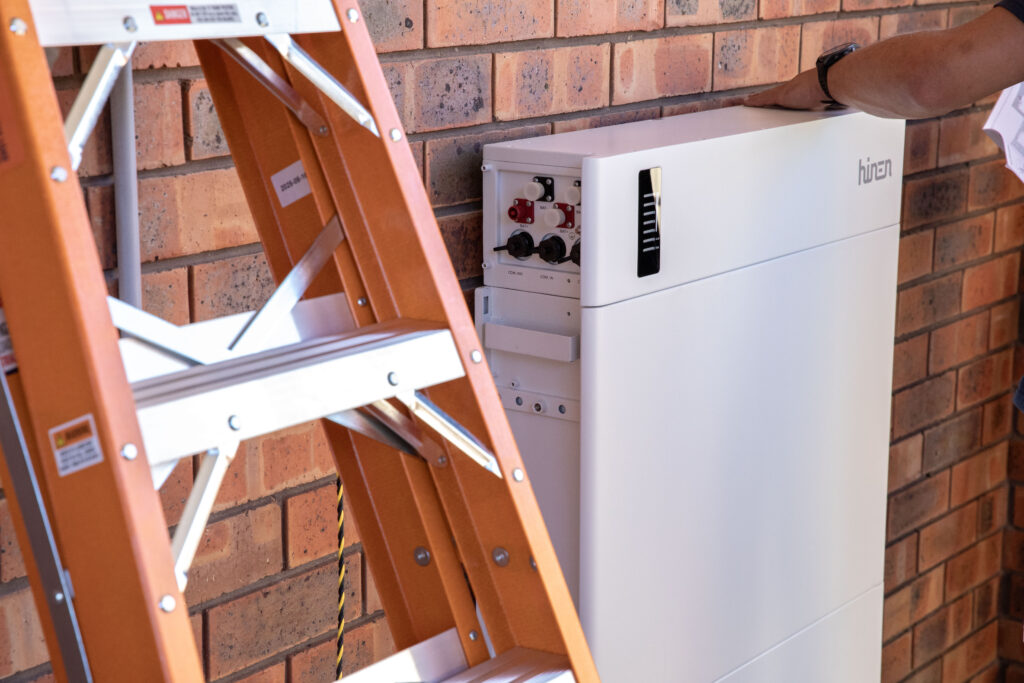
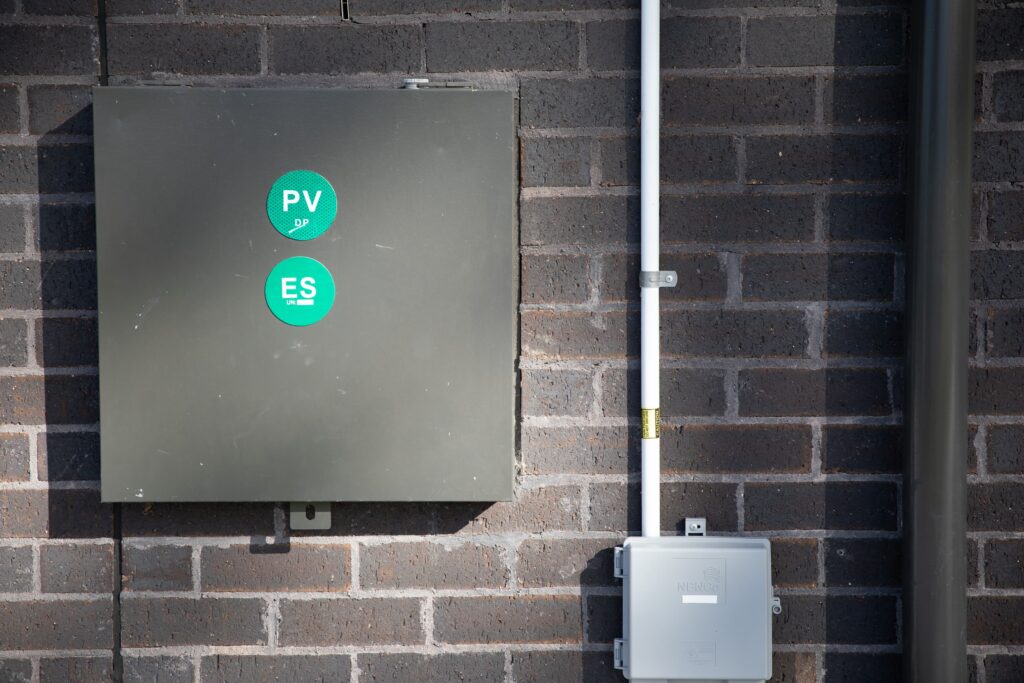
What a battery install looks like
Federal battery rebate questions
How much is the federal battery rebate in 2026?
For installations between 1 May and 31 December 2026 it is 6.8 certificates per usable kWh on the first 14 kWh, which works out at roughly $250 to $270 per kWh at current certificate prices. A 10 kWh battery earns 68 certificates, or about $2,500 to $2,700. From 1 January 2027 the rate drops to 5.7.
Is the rebate means tested?
No. There is no income test. Eligibility is about the battery, the installer and the property.
Do I need solar to get the battery rebate?
Yes. The battery has to be installed with a new or existing rooftop solar system of no more than 100 kW.
Can I add a battery to my existing solar system and still get the rebate?
Usually. The existing panels do not need to be on the approved list, but the inverter the battery connects to must be VPP capable and on the Clean Energy Council list. Some older inverters need replacing or pairing with a hybrid unit, which we check before quoting.
Is it a cash rebate?
No. It is a point-of-sale discount. You assign the certificates to us and their value comes off your invoice.
Do I have to join a virtual power plant?
No. The battery only has to be capable of joining one. Joining is optional, and in NSW it unlocks a separate state incentive.
Can I claim again if I add capacity later?
Not at the same property. One claim per electricity meter. Size the system for where your usage is heading rather than where it is today.
When does the federal battery rebate end?
The program runs to 31 December 2030, stepping down every January and July until then.
What happens if I sell the house or move?
The battery has to stay at the property until the end of 2030 or the end of its warranty, whichever is later. It cannot be moved to a new address and claimed again.
Which batteries qualify?
Any battery on the Clean Energy Council approved list that is VPP capable and installed by an SAA accredited installer. We install Sigenergy SigenStor and Hinen, and can quote Tesla Powerwall and Sungrow on request.
See the rebate on a quote for your place
We size the battery to your evening, then show the discount for your installation date in dollars.
What our customers say


Ready to see what solar and battery could do for your place?
Tell us a little about your home and a local consultant will call you back. No obligation, no pressure.
Prefer to talk? Call 02 8311 7338.