
Cut the overhead you can actually control.
Energy is one of the few large fixed costs a business can genuinely reduce rather than renegotiate. We design commercial systems from your interval data and your tariff structure, and show the modelling rather than a headline payback figure.
What a commercial system usually includes
The mix depends on your load profile, your roof and whether you are trying to reduce consumption charges, demand charges, or both.
Rooftop array
Tier-one panels sized to available roof area and structural capacity, with string layout designed around shading from plant and adjacent buildings.
Three-phase inverters
Commercial-grade inverters with the monitoring granularity to diagnose a fault at string level rather than system level.
Commercial storage
Where demand charges or after-hours load justify it. Often the difference between a good return and a marginal one.
Monitoring and reporting
Per-site generation and consumption reporting, which matters if you are reporting emissions or managing several premises.
Designed for how businesses actually buy power
Modelled from interval data
Commercial tariffs punish you for when you draw power, not just how much. We work from your half-hourly data so the system is sized against your real load curve rather than a monthly average.
Demand charges accounted for
On many commercial tariffs, demand charges are a larger line item than consumption. A system that ignores them can look excellent on paper and disappoint on the bill.
Scheduled around your operations
Installs staged around trading hours, including out of hours and weekends where the disruption cost outweighs the labour premium.
Network approval handled
Commercial connections involve more scrutiny than residential ones, including export limiting and protection settings. We manage the application and the negotiation.
Roof and structural assessment
We check load capacity, penetration method and existing waterproofing before quoting, not on install day.
One accountable point of contact
We coordinate the whole job, from design through to commissioning, with SAA accredited installers doing the work. You deal with us, not with three separate trades.
How it works
-
Data and site review
We request twelve months of interval data from your retailer and assess roof capacity, switchboard, and network constraints on site.
-
Design and modelling
A system spec with generation modelling, tariff analysis and payback, including the assumptions. If one looks wrong to you, we rerun it.
-
Approval and install
Network application lodged by us, install staged around your operations, and commissioning documented for your records.
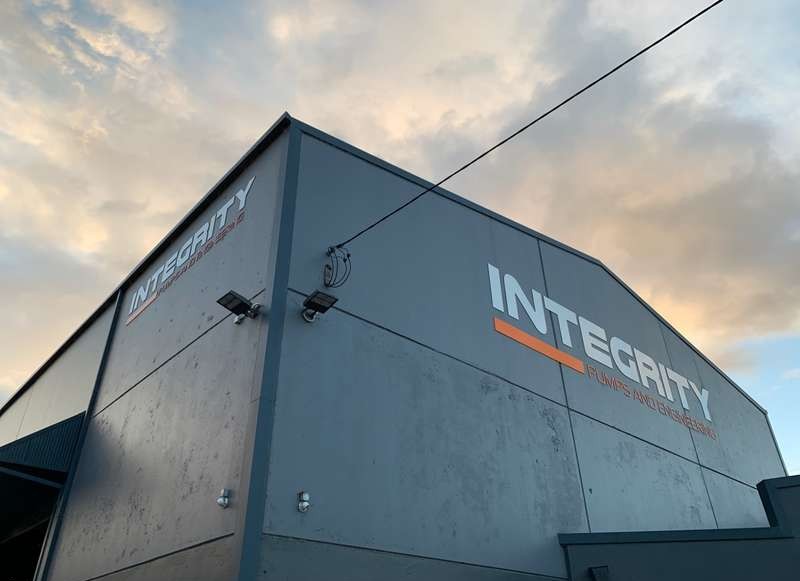
Integrity Pumps and Engineering: 46.2 kW in 2020, another 78 kW and a battery in 2026
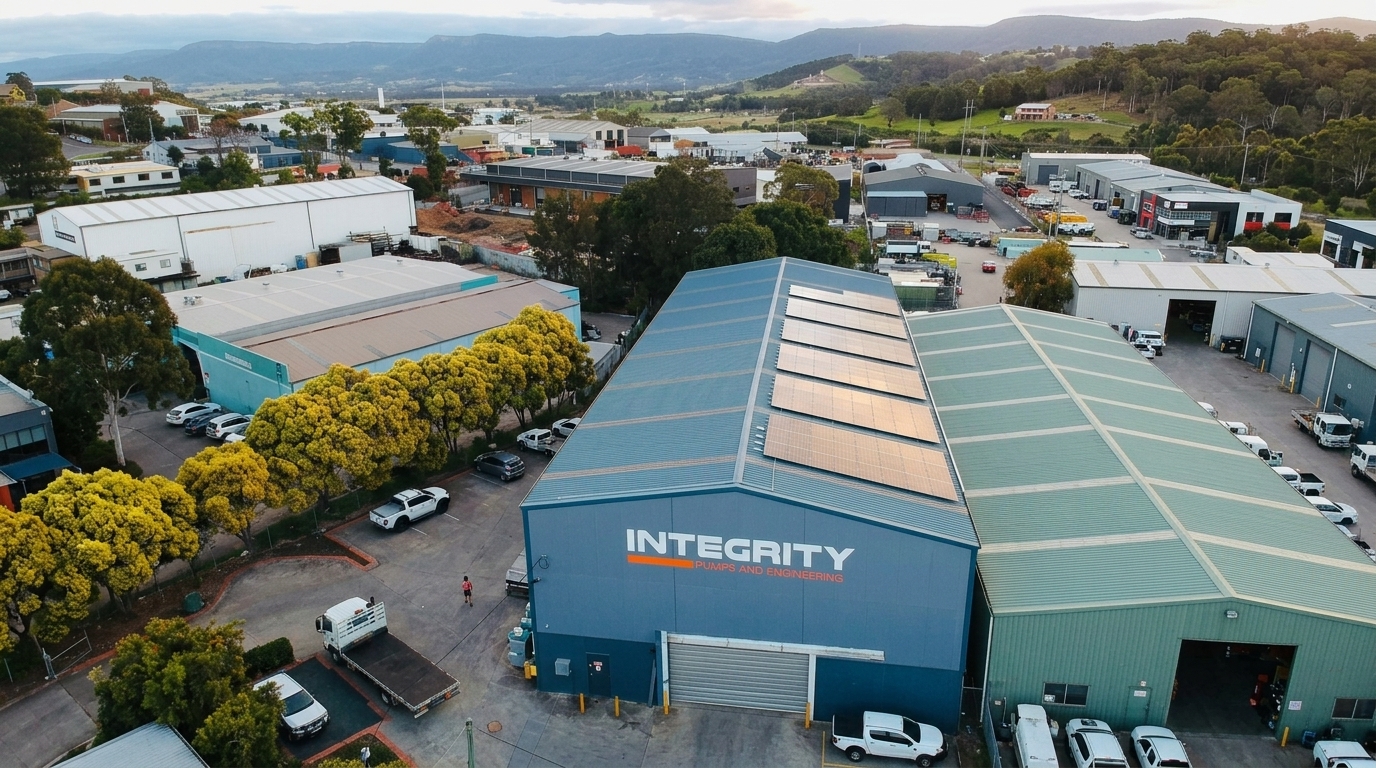
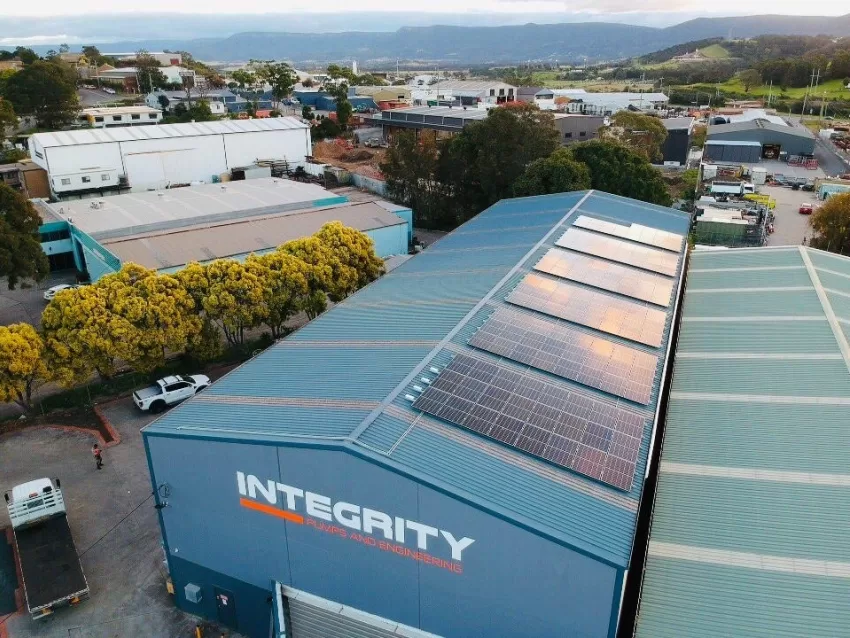
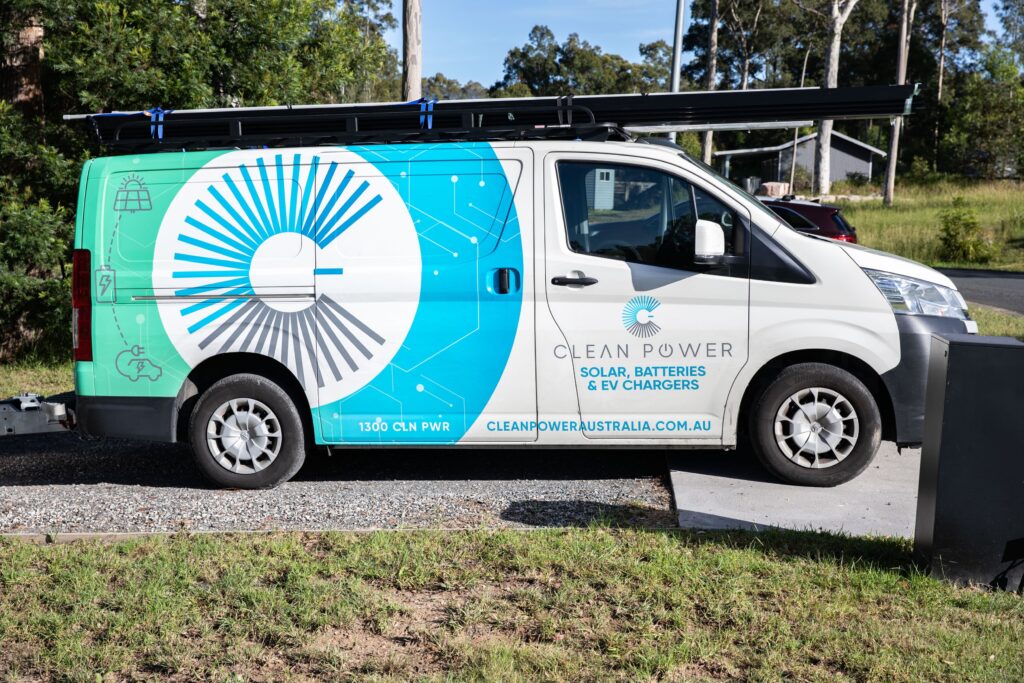
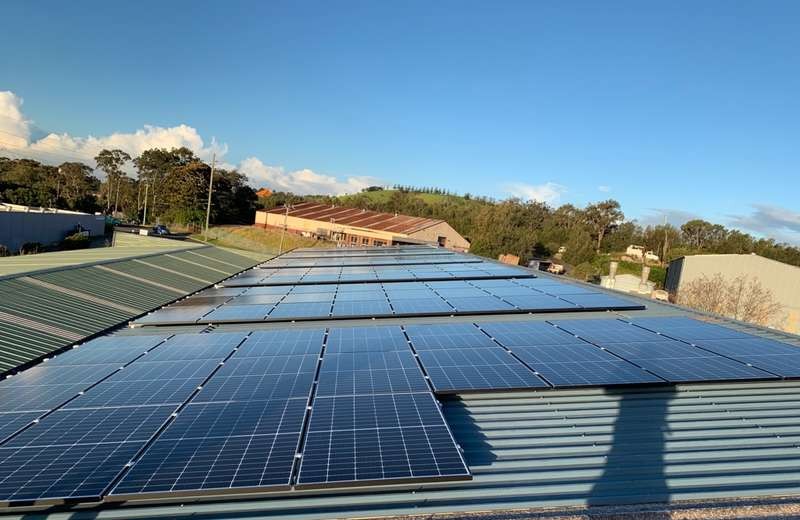
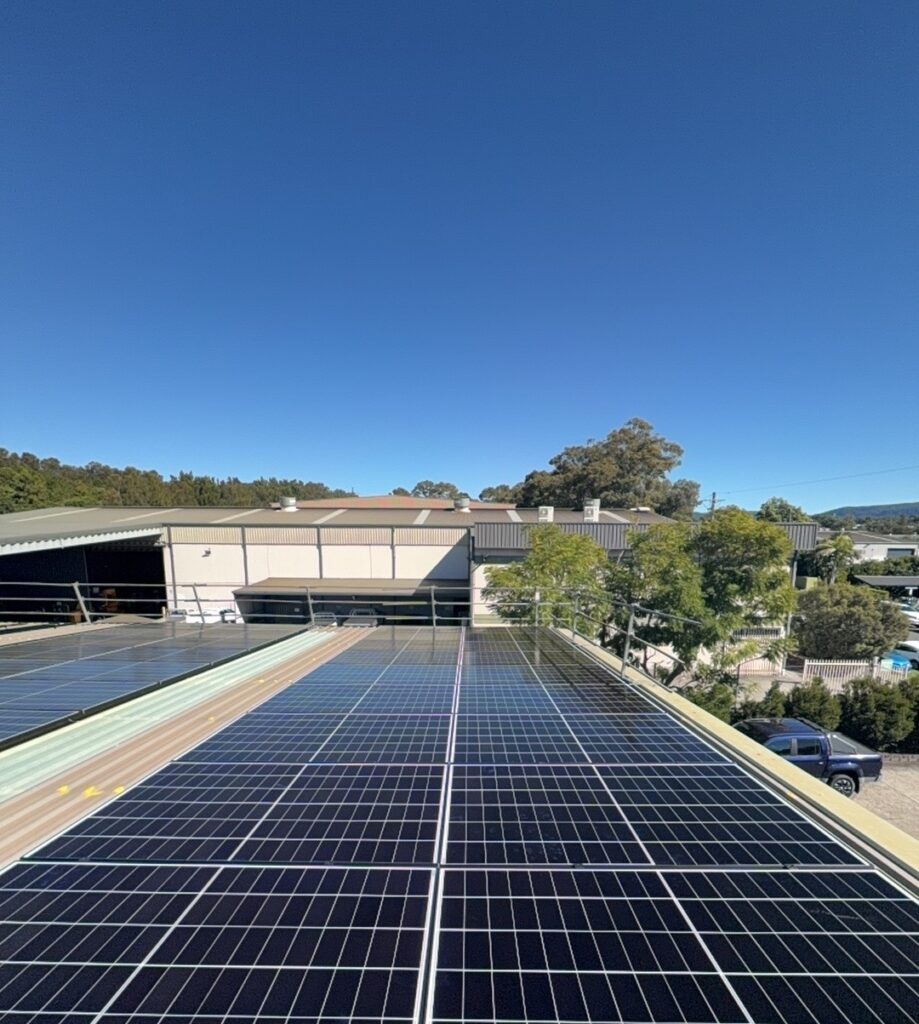
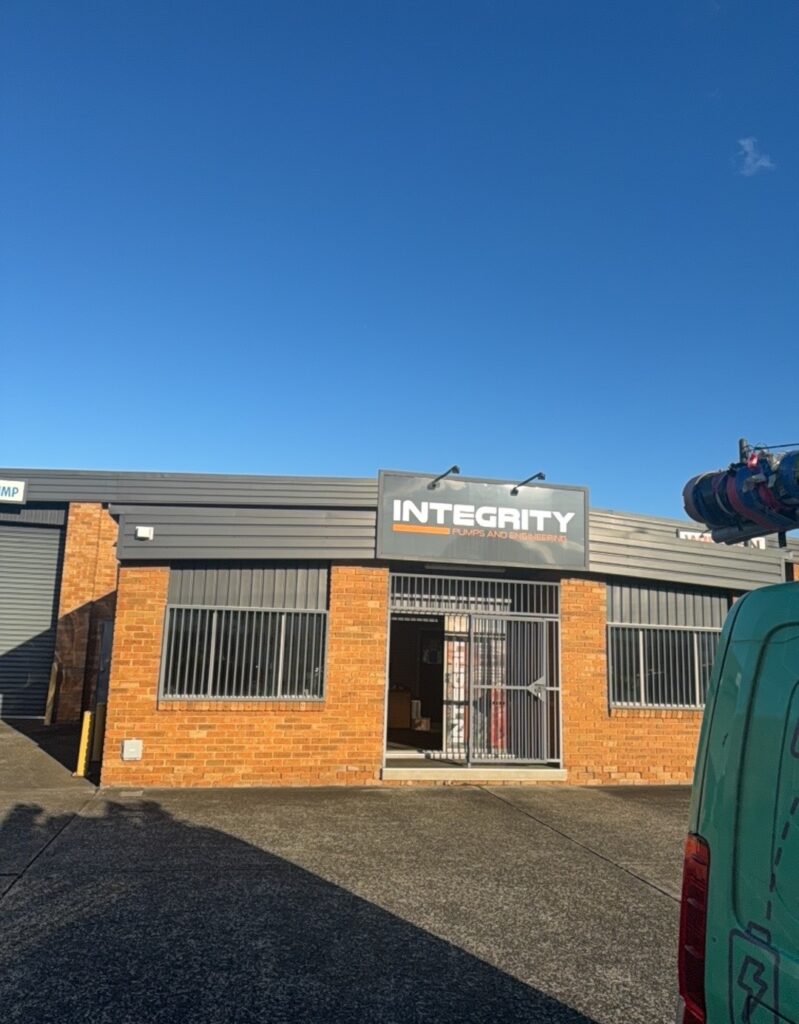
Integrity Pumps and Engineering is a working pump and engineering business in Unanderra, a few minutes from where Clean Power started. In 2020 they put 46.2 kW of solar on the main workshop roof, which at the time was a substantial commercial system by anyone’s measure.
The reason it worked is the reason commercial solar generally works: an engineering shop runs its heaviest loads through the middle of the day, exactly when the roof is producing most. Very little of that first system was ever exported. It was consumed on site, displacing power the business would otherwise have bought at commercial rates.
Six years later they came back. Not because anything had gone wrong, but because the business had grown into the system and then past it.
- 46.2 kW installed in 2020 on the main workshop roof
- Sized against interval data, not roof space
- Almost entirely self-consumed rather than exported
What growth does to a system that was right at the time
More machinery, longer operating hours, and the steady electrification that has happened across Australian workshops in the last few years. The 2020 array was still performing exactly as designed; the business around it had simply changed shape.
That is a good problem, and it is a different job to a first install. We were not starting from a blank roof. We were adding to a working system on an operating site, across multiple buildings, without stopping the business while we did it.
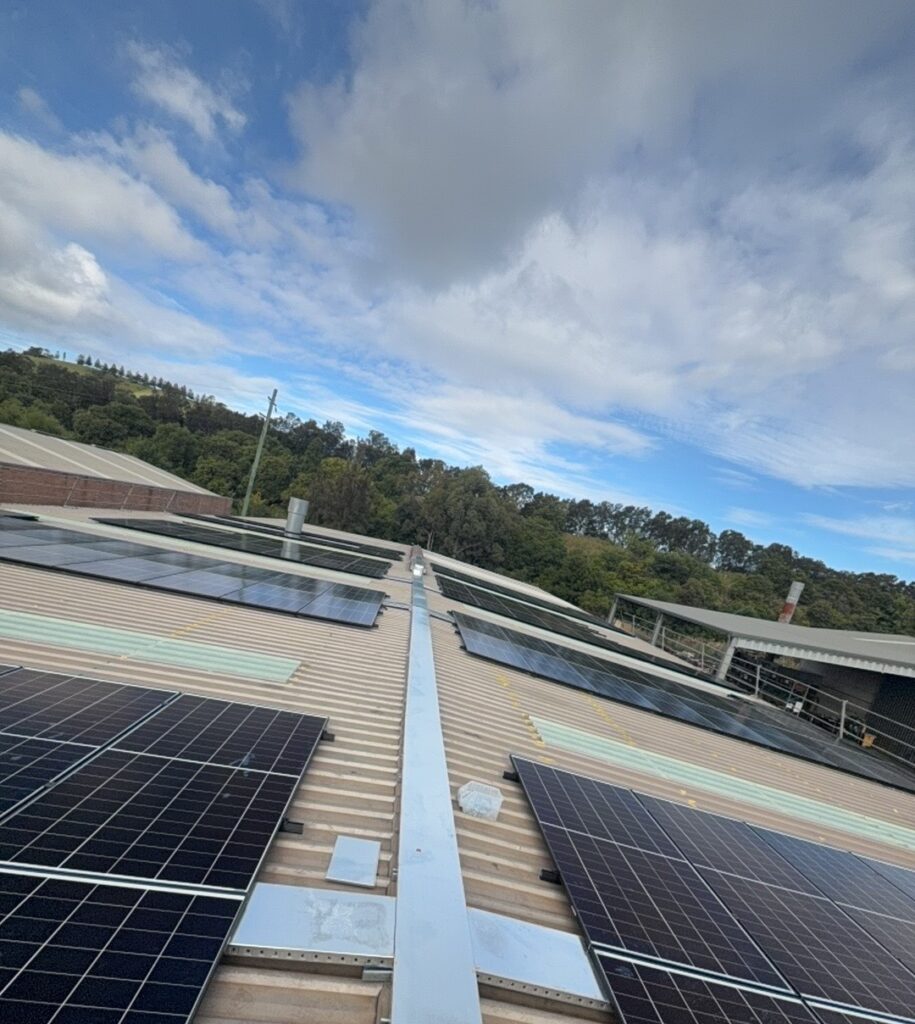
The second stage added 78 kW of solar, taking the site well past 120 kW in total, spread across the available roof space rather than crammed onto the original pitch.
- A further 78 kW added in 2026
- Installed across multiple roofs on a live, operating site
- Existing 2020 array retained and integrated, not replaced
And the part that was not possible in 2020
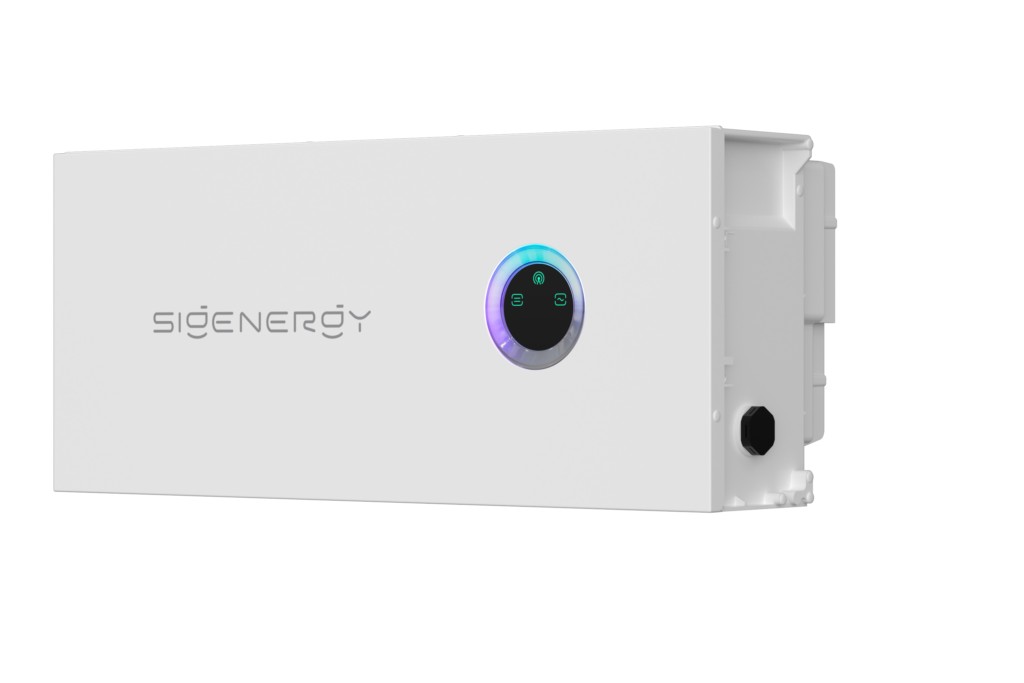
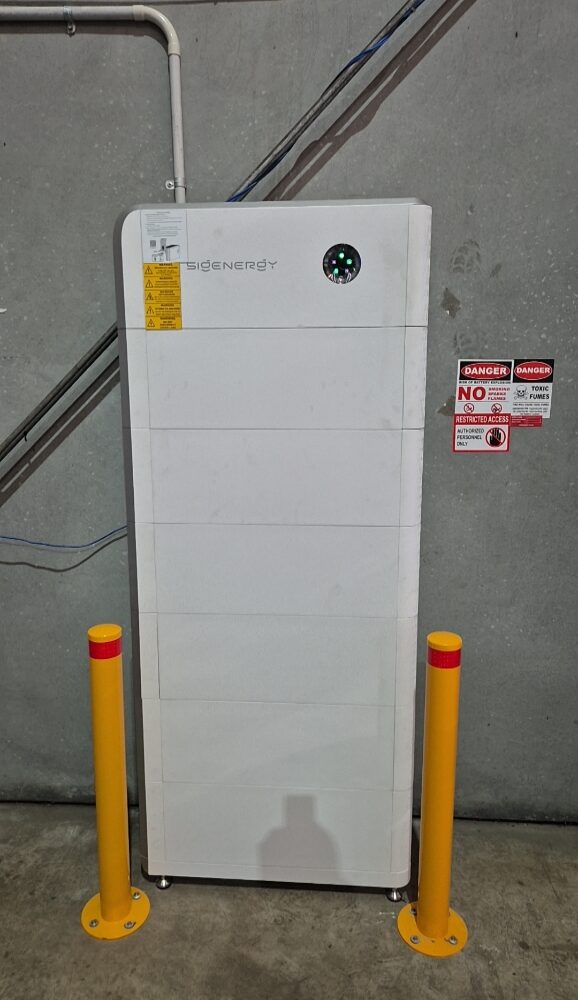
The 2026 stage also added a 48.36 kWh Sigenergy battery. Six years earlier, storage at that scale was not a sensible commercial proposition. The economics have moved a long way since.
For a business, a battery does two things a household battery does not do as urgently. It covers the shoulder hours at either end of the working day, when machinery is running but generation has not yet caught up or has already dropped away. And it gives you something to do about demand charges, which on many commercial tariffs are billed on your single highest recorded peak rather than on what you actually used.
Whether that second one is worth the investment depends entirely on the tariff, which is why we model it from interval data before recommending storage rather than after. On this site it stacked up. On plenty of others it does not, and we say so.
- 48.36 kWh Sigenergy battery storage
- Covers the shoulder hours at either end of the working day
- Modelled against the tariff before it was recommended
Why commercial solar works differently to residential
A household generates its surplus at midday and uses most of its power after five, which is why storage matters so much at home. A business usually does the opposite: it consumes hardest during the working day, exactly when the array is producing most.
That means a well-sized commercial system self-consumes a much higher proportion of what it generates. You are displacing power you would otherwise buy at commercial rates rather than exporting it for a feed-in tariff, and that is where the return comes from.
It also means sizing is a different exercise. We work from your interval data rather than a bill total, because a business with a heavy morning peak and a quiet afternoon needs a different array to one running flat out until six.
Demand charges are the other factor. Many commercial tariffs bill on your highest recorded demand as well as your consumption, so shaving that peak can be worth as much as the energy saving itself. Whether storage helps depends entirely on your tariff structure, and we will tell you honestly if it does not.
What the Integrity job tells you about working with us
Six years between stage one and stage two is the part we would point to.
We size for now, and design for later
The 2020 system was right for the business at the time. It was also laid out so that adding to it later did not mean starting again.
We work around an operating business
Roof work across multiple buildings on a live site, without shutting down production to do it.
Customers come back
The strongest thing we can tell you about a commercial installer is whether their customers use them twice. This one did, six years apart.
Frequently asked questions
What size systems do you install?
From small commercial through to large rooftop arrays. We will tell you early if a project sits outside what we do well rather than stretching to win it.
How is payback actually calculated?
From your interval data against your current tariff, including demand charges and any time-of-use structure. We show the assumptions rather than just the result, because a payback figure is only as good as the inputs behind it.
Is finance available for commercial systems?
Yes, including structures where the repayment sits against the energy saving. Eligibility criteria apply and terms vary with system size.
Will we need to shut down during installation?
Rarely. Switchboard tie-in requires a brief outage that we schedule with you, often outside trading hours. The rest of the install runs alongside normal operations.
What about export limits?
Many commercial connections are export limited by the network. This is not necessarily a problem, since commercial load usually coincides with generation, but it does change how the system should be sized.
Do you handle multiple sites?
Yes. Consistent specification and reporting across sites is usually more valuable to a multi-site business than optimising each one individually.
What our customers say
Ready to see what solar and battery could do for your place?
Tell us a little about your home and a local consultant will call you back. No obligation, no pressure.