For decades, gas was sold to Australian homeowners as the smart, cost-effective choice. Cheap to run, reliable, and efficient. That story has completely fallen apart.
Gas prices in Australia have more than doubled over the past five years. Households in NSW, QLD, and SA that once paid modest gas bills are now facing some of the highest residential gas costs in the world — and there’s no sign of relief on the horizon.
At the same time, solar and battery technology has made going fully electric not just possible, but genuinely cheaper in almost every scenario.
What “Going All-Electric” Actually Means
Full home electrification means replacing your gas appliances with high-efficiency electric alternatives:
- Gas hot water system → Heat pump hot water system
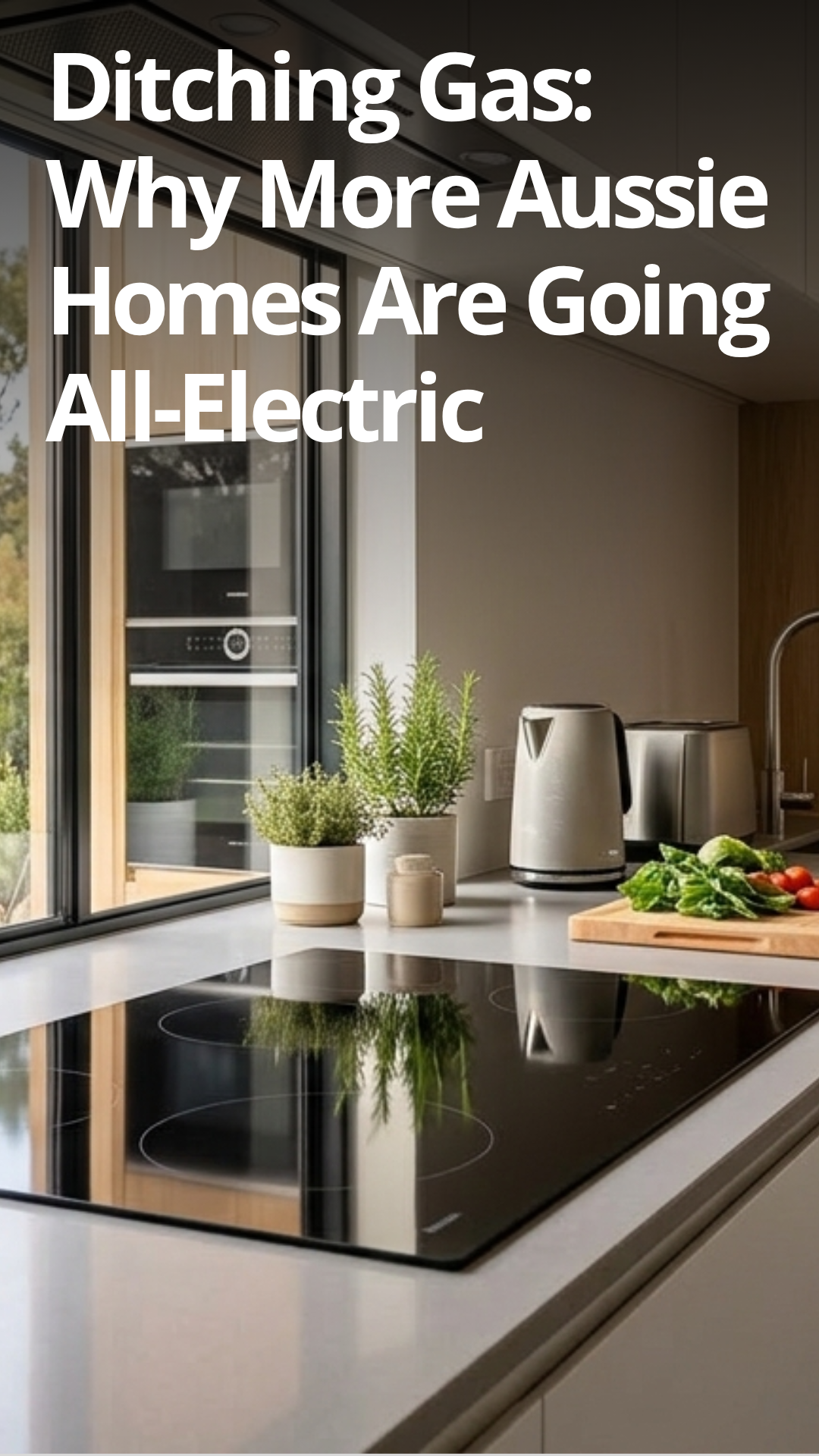
- Gas cooktop → Induction cooktop
- Gas ducted heating → Reverse-cycle split system or ducted heat pump
None of these are compromises. Heat pump hot water systems are 3–5x more efficient than gas storage systems. Induction cooktops heat faster and more precisely than gas. Modern reverse-cycle air conditioners are significantly more efficient than gas ducted heating in most Australian climates.
The Hidden Cost of Staying on Gas
Most households don’t realise that beyond the gas usage itself, they’re also paying a daily supply charge just to remain connected to the gas network — typically around $0.80–$1.00 per day, regardless of how much gas they use.
That’s $300+ per year in charges before you’ve turned a single burner on.
When you disconnect from gas entirely, that supply charge disappears immediately. For many households, eliminating the supply charge alone covers the repayments on a new hot water system.
Solar Makes the Switch Even More Powerful
Going all-electric is smart. Going all-electric with solar is transformative.
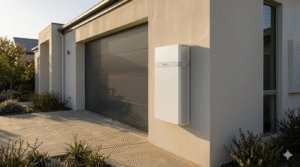
Heat pump hot water systems can be set to run during the middle of the day, when your solar panels are producing at maximum output. That means you’re effectively heating your water for free, using energy you’d otherwise export to the grid for a few cents.
The same logic applies to running your induction cooktop, charging your home battery, running your air conditioning, and eventually charging an EV. The more electrical loads you shift into the solar window, the less you ever need to buy from the grid.
The Numbers Stack Up
A typical Australian household switching from gas to electric — and pairing the change with a solar and battery system — can reduce their combined energy bills by $2,000–$3,500 per year.
Factor in the current federal battery rebate of up to $6,500, available state-based hot water rebates, and solar panel STCs, and the upfront cost is dramatically reduced.
Gas is getting more expensive. The network is ageing. And the transition away from it is already underway at scale — with over 40% of new homes in Australia now being built without a gas connection at all.
The question isn’t whether Australians will move away from gas. It’s whether you do it on your terms — and profit from it — or wait until the cost forces your hand.